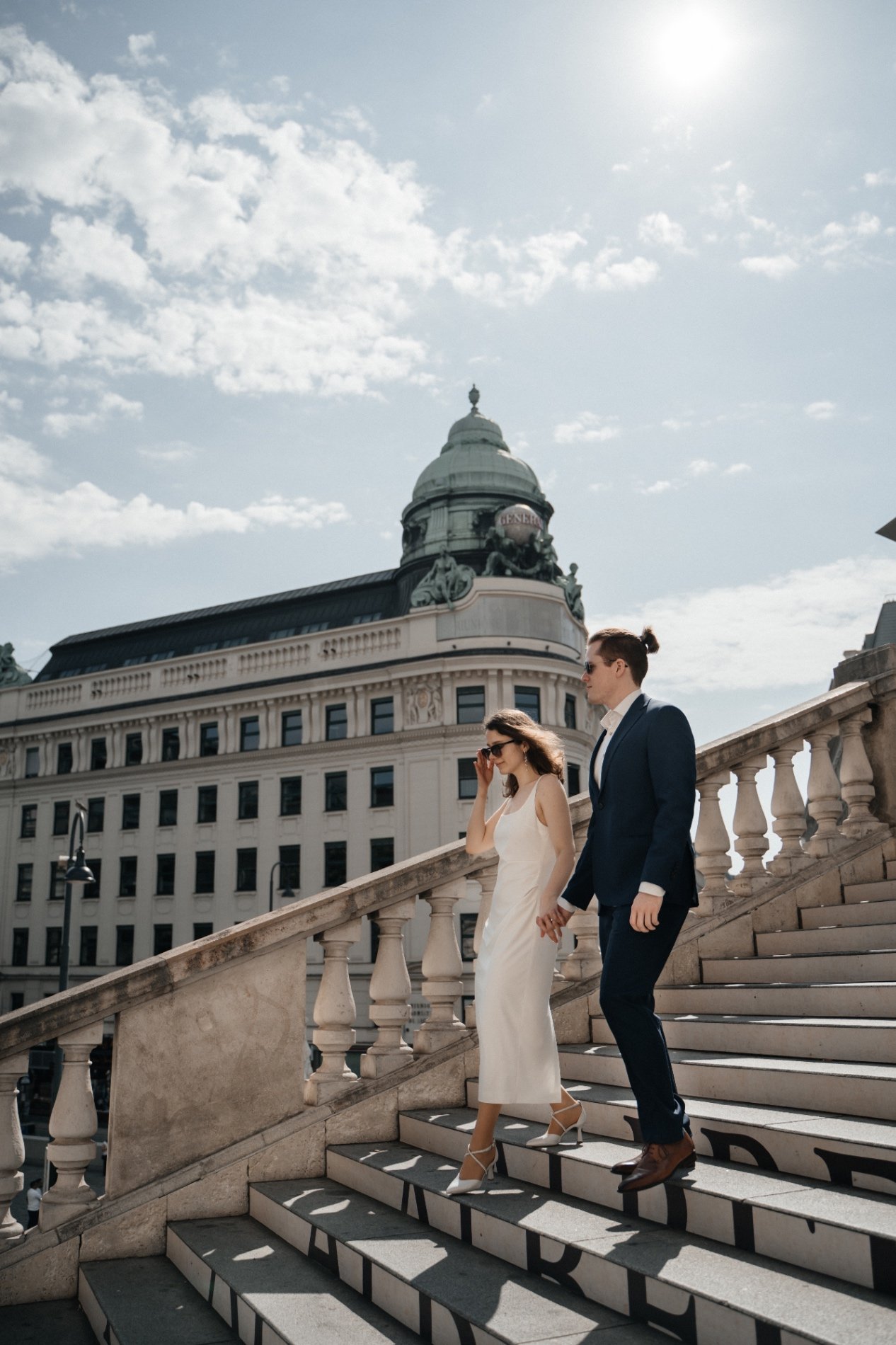
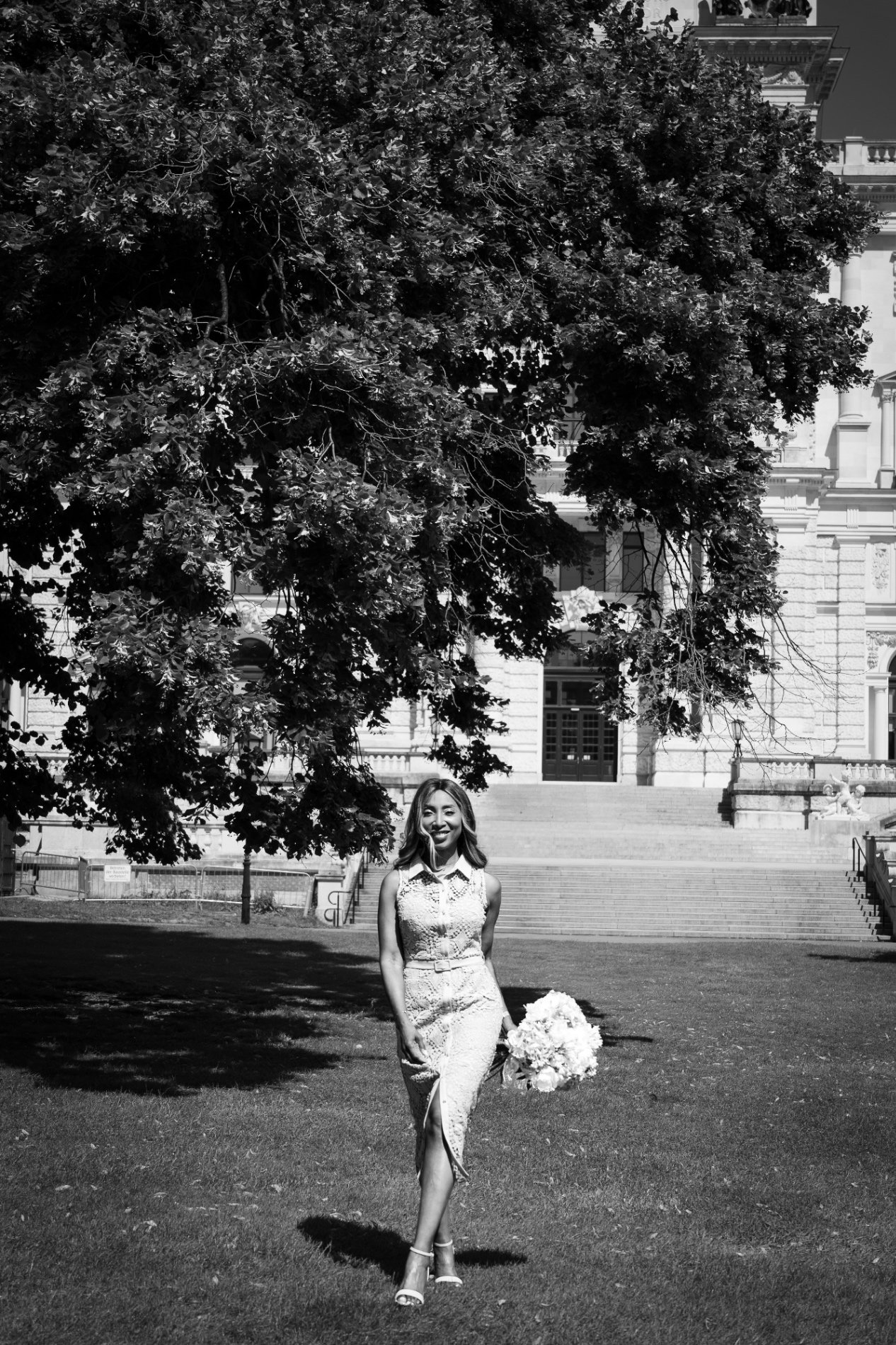
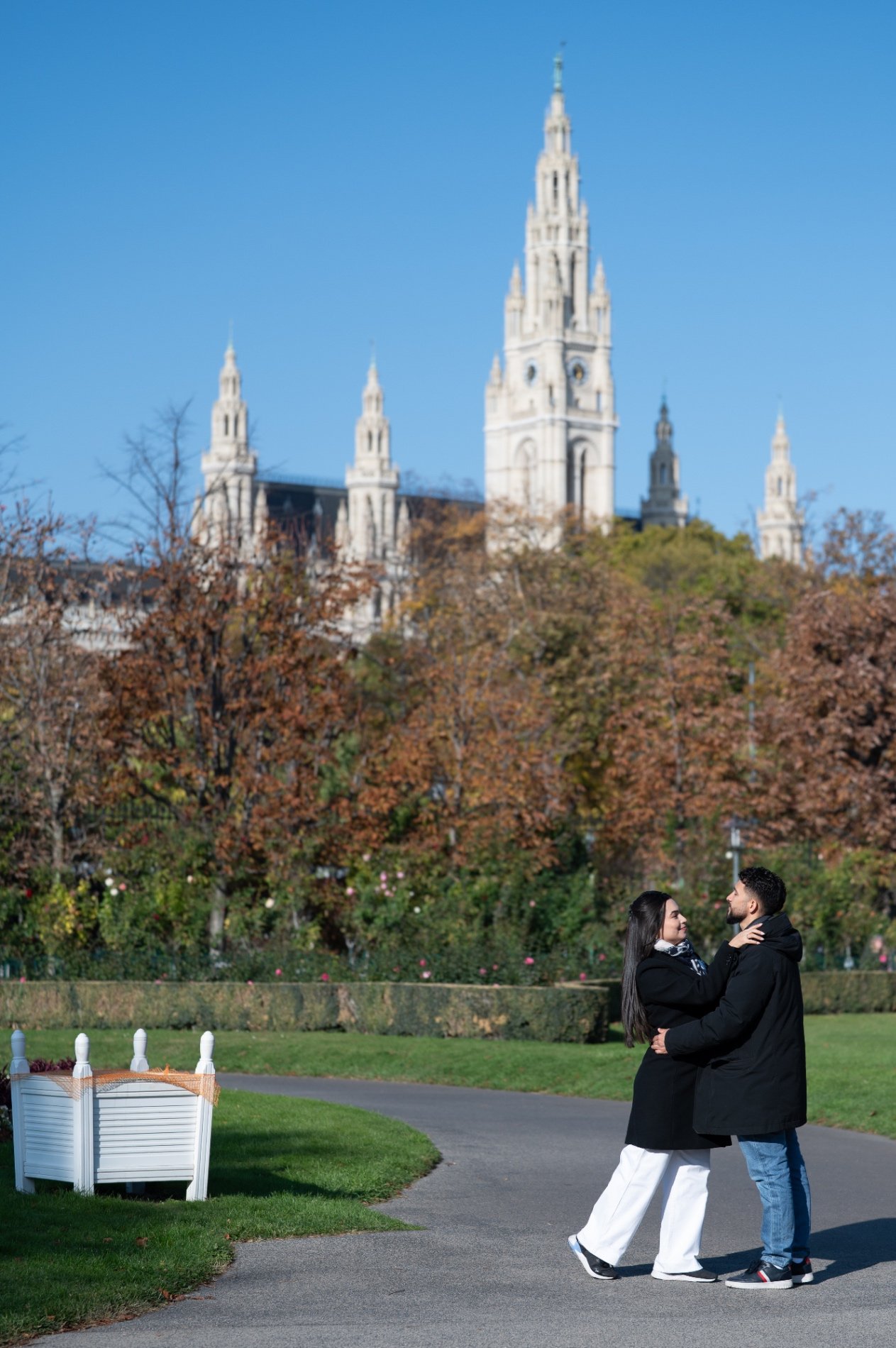
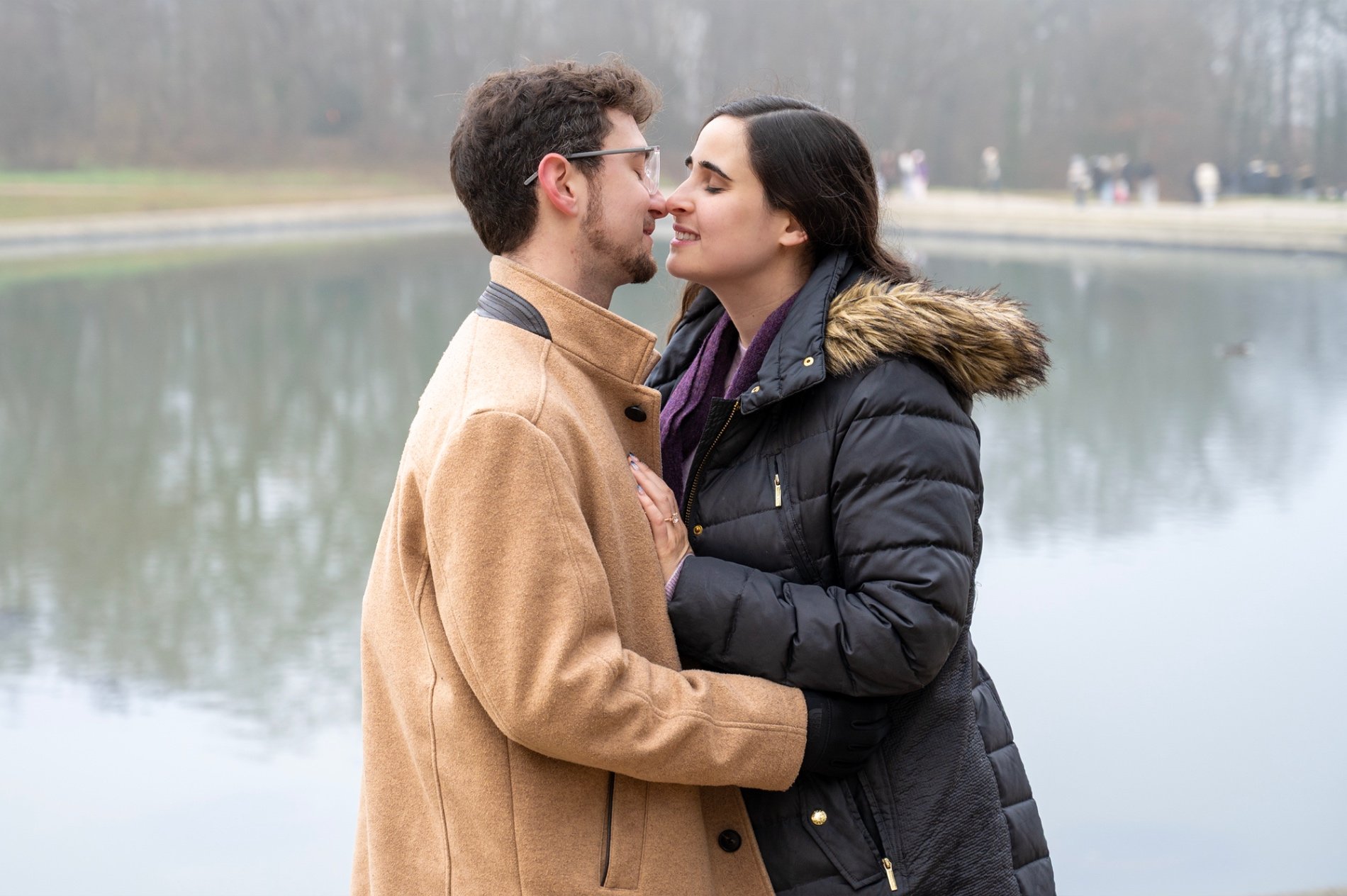
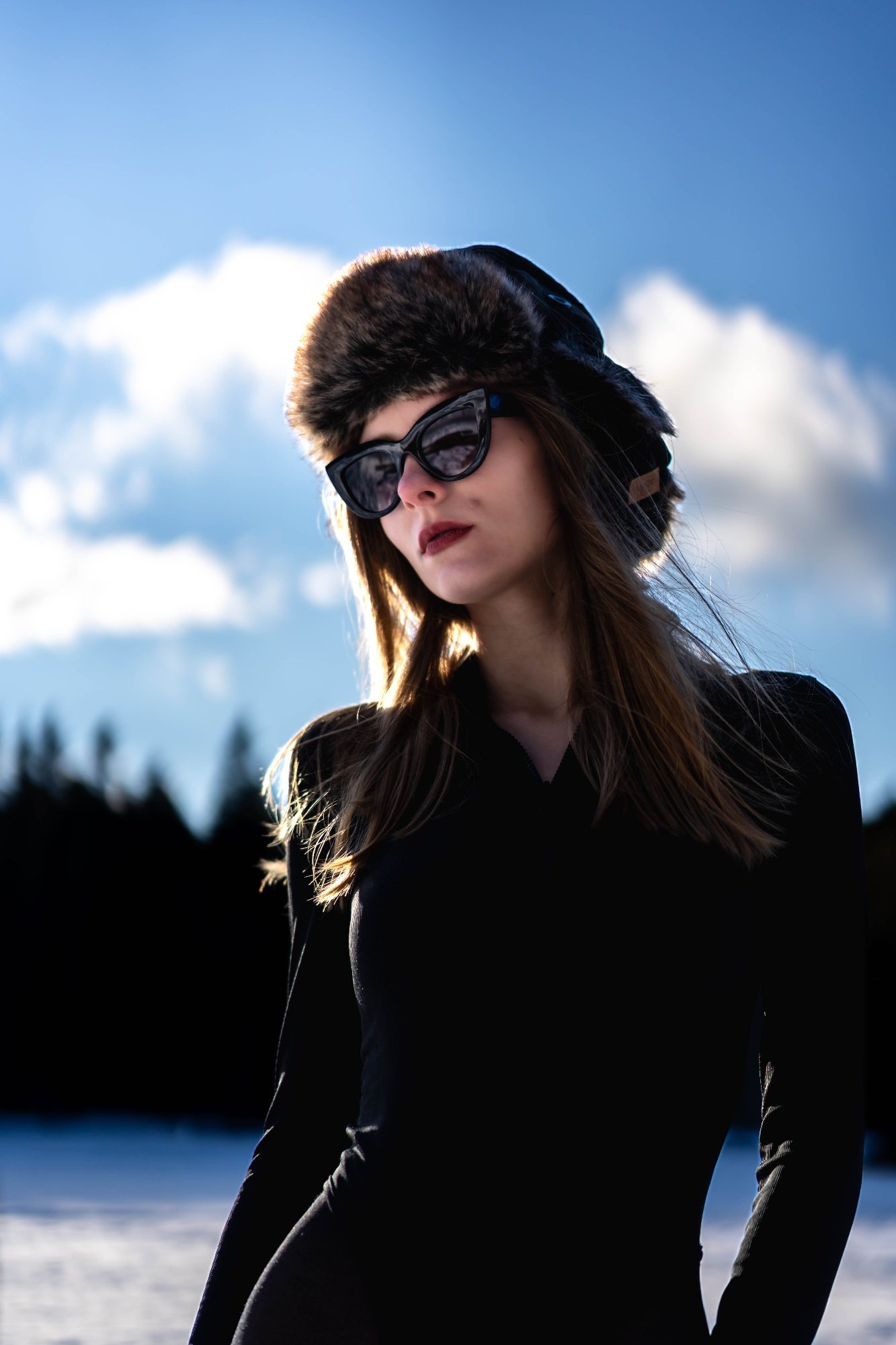
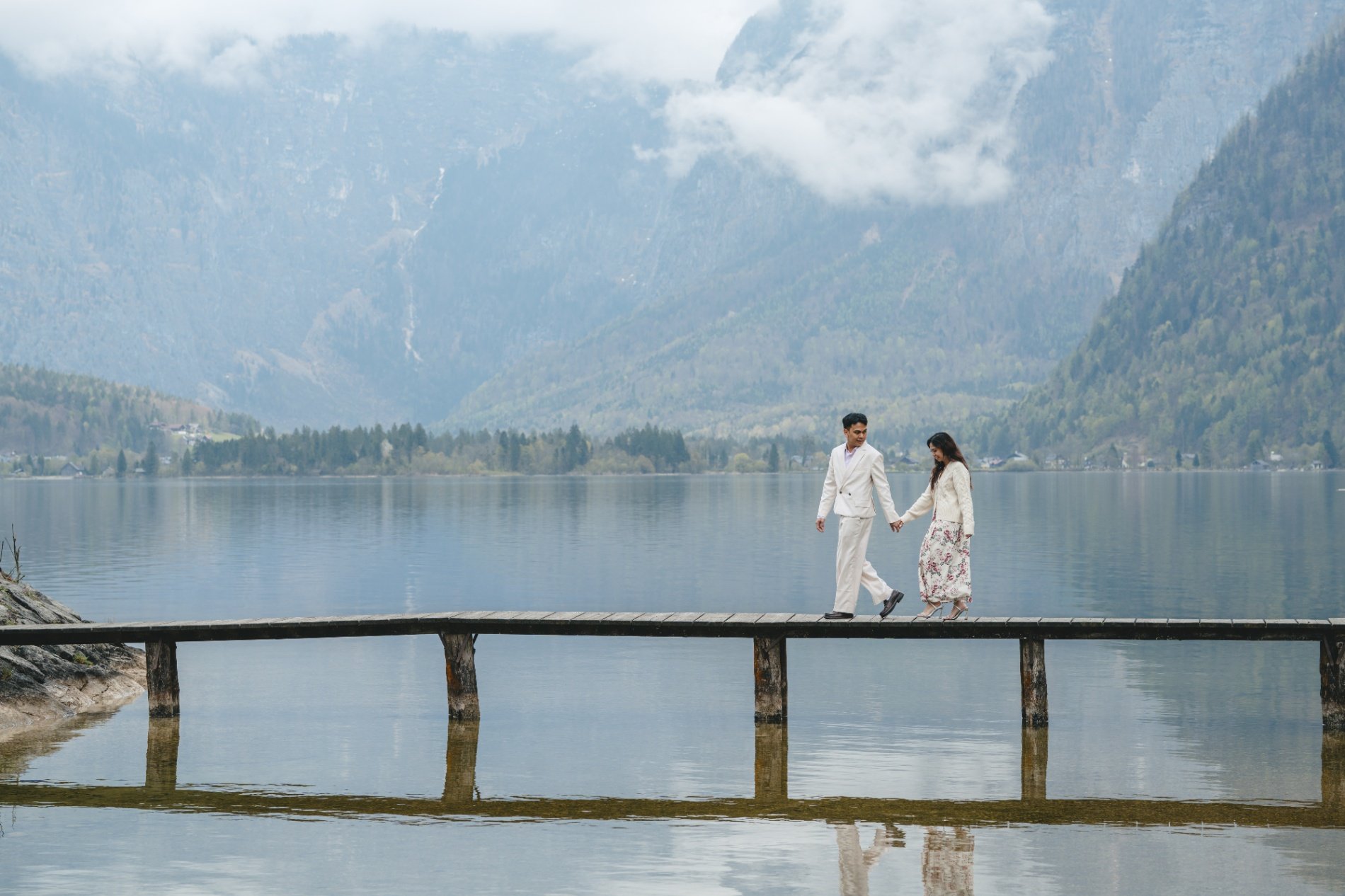
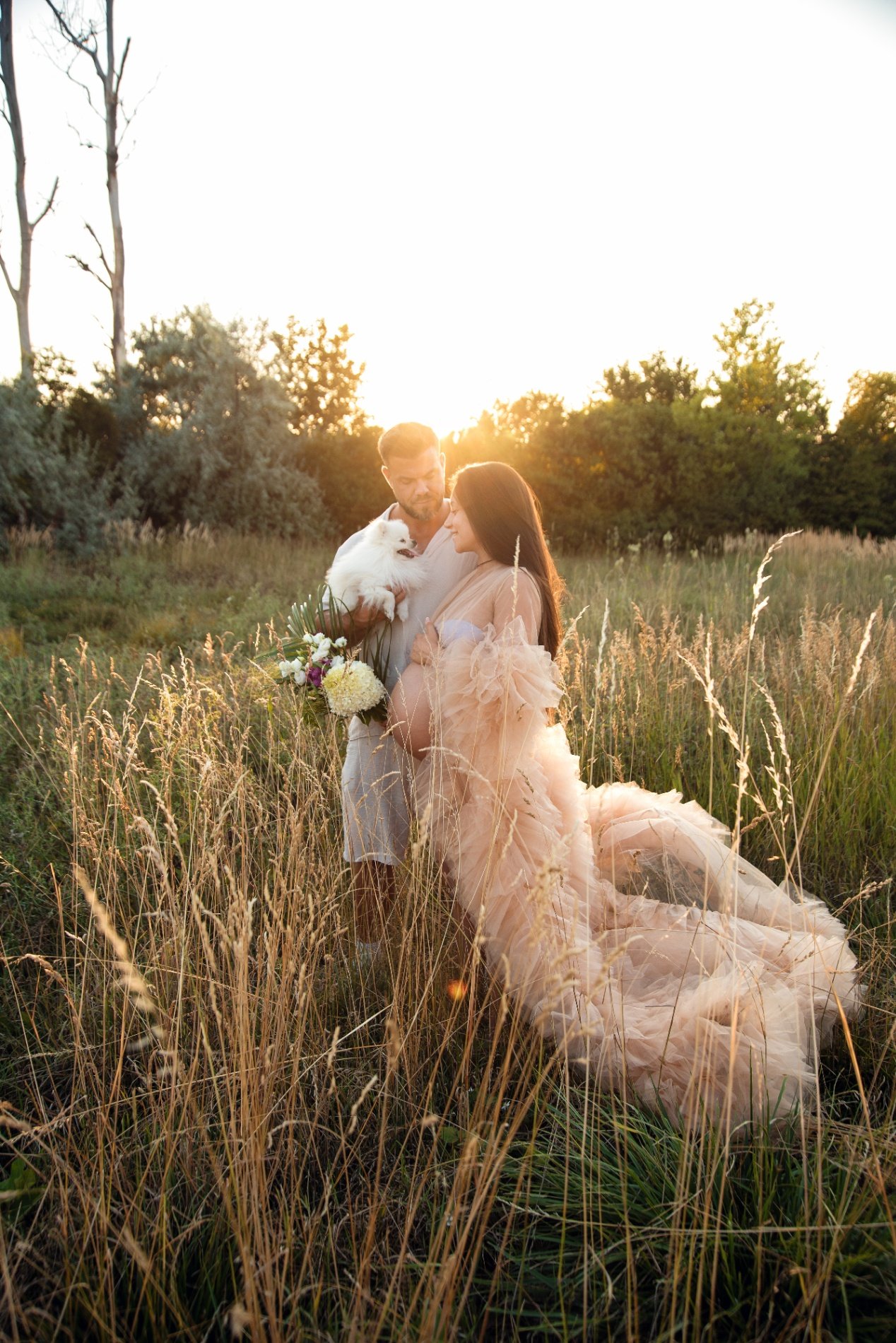
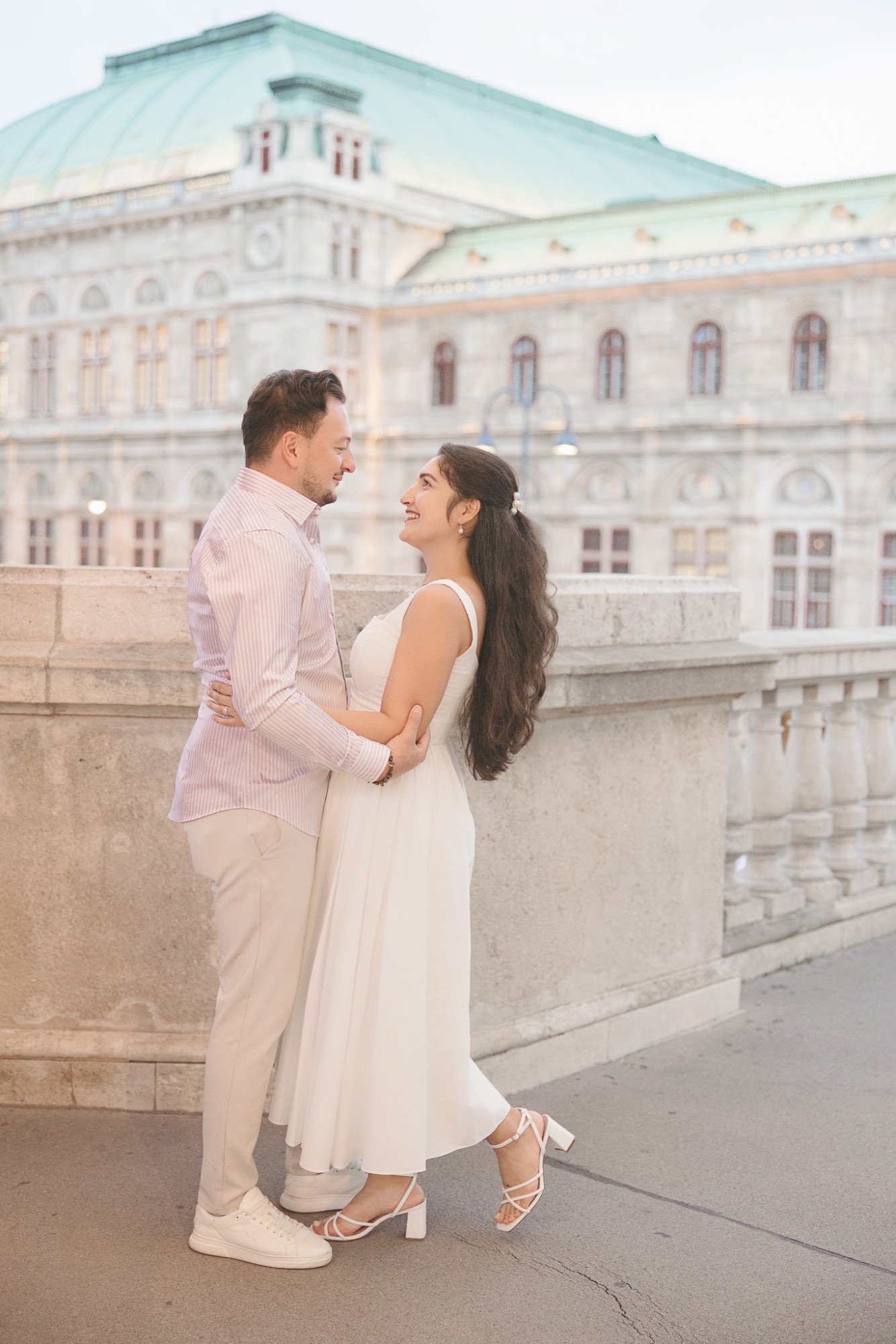
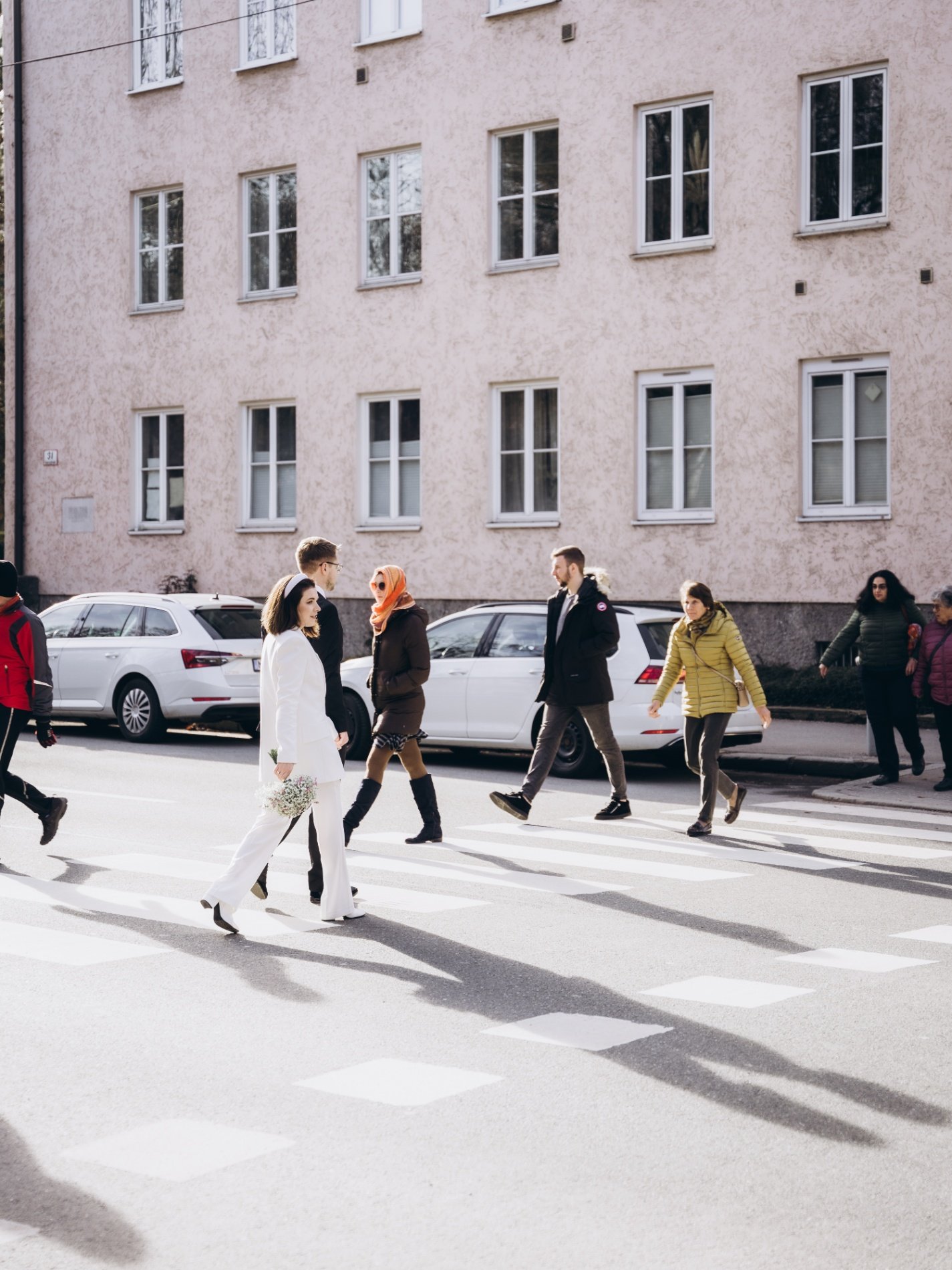
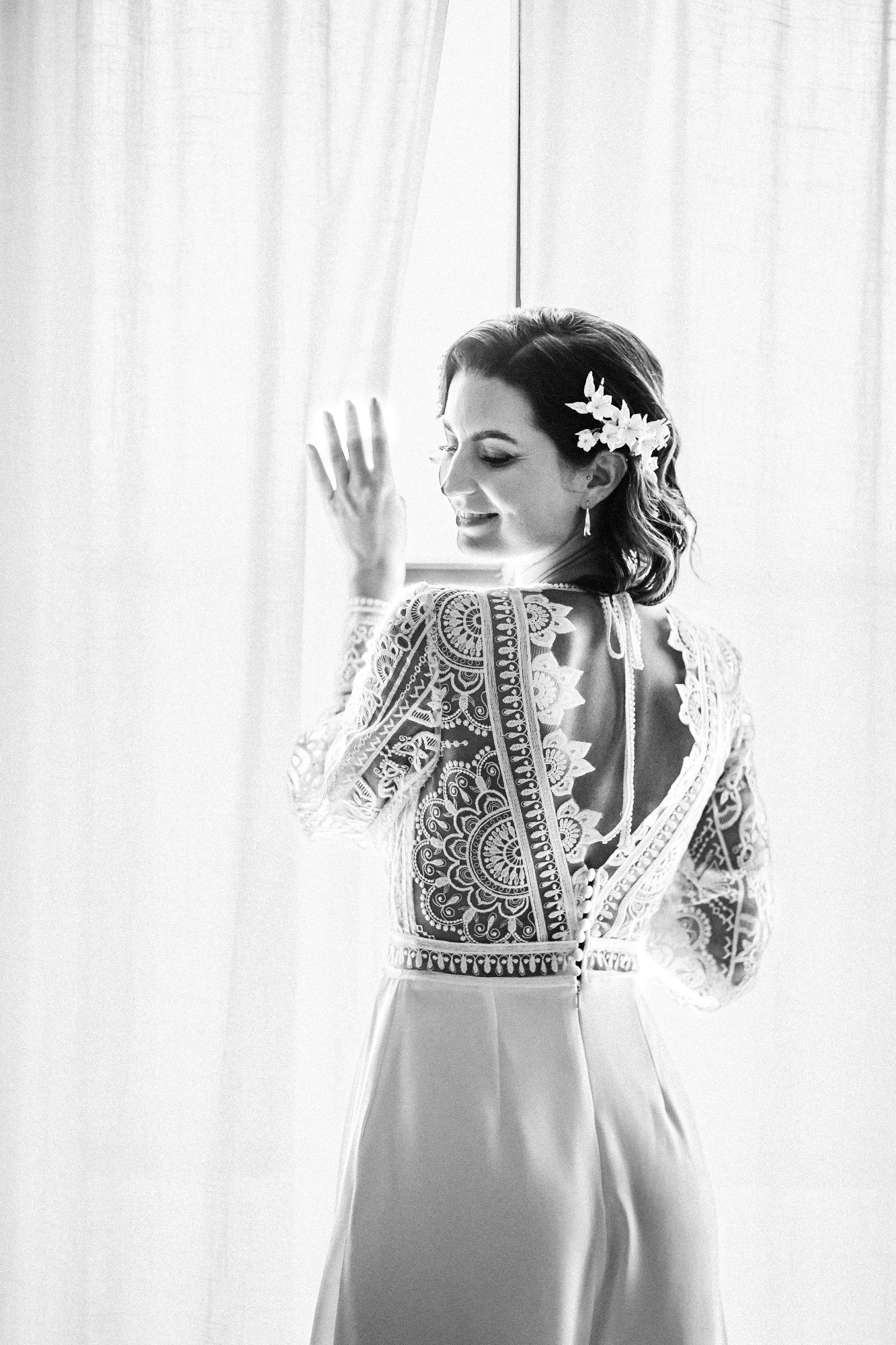
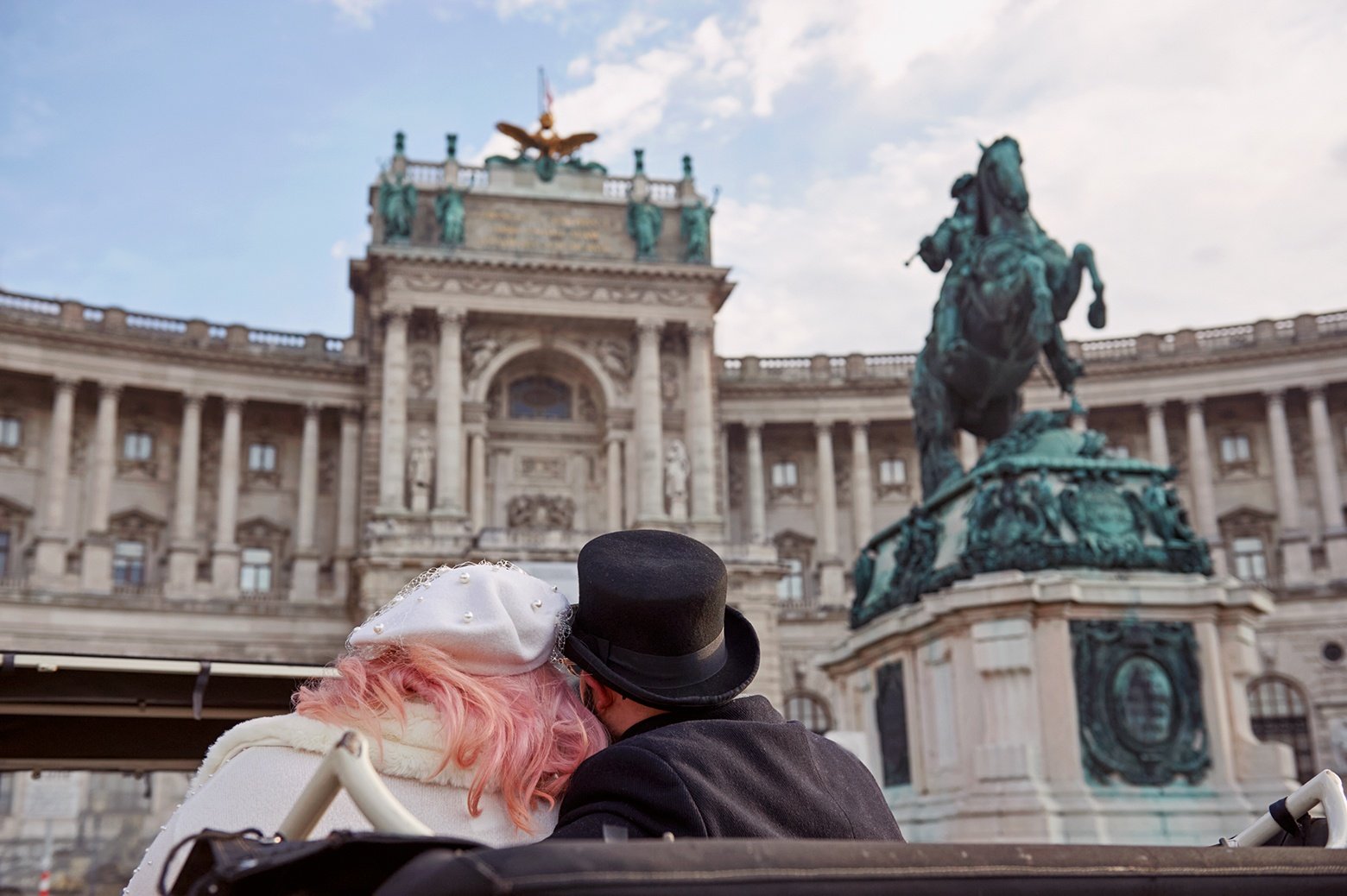
What a photographer in Austria really costs in 2026: an hour from €345, two hours typically €635, why the top price is a wedding day, and the prices in six places from Vienna to Innsbruck.
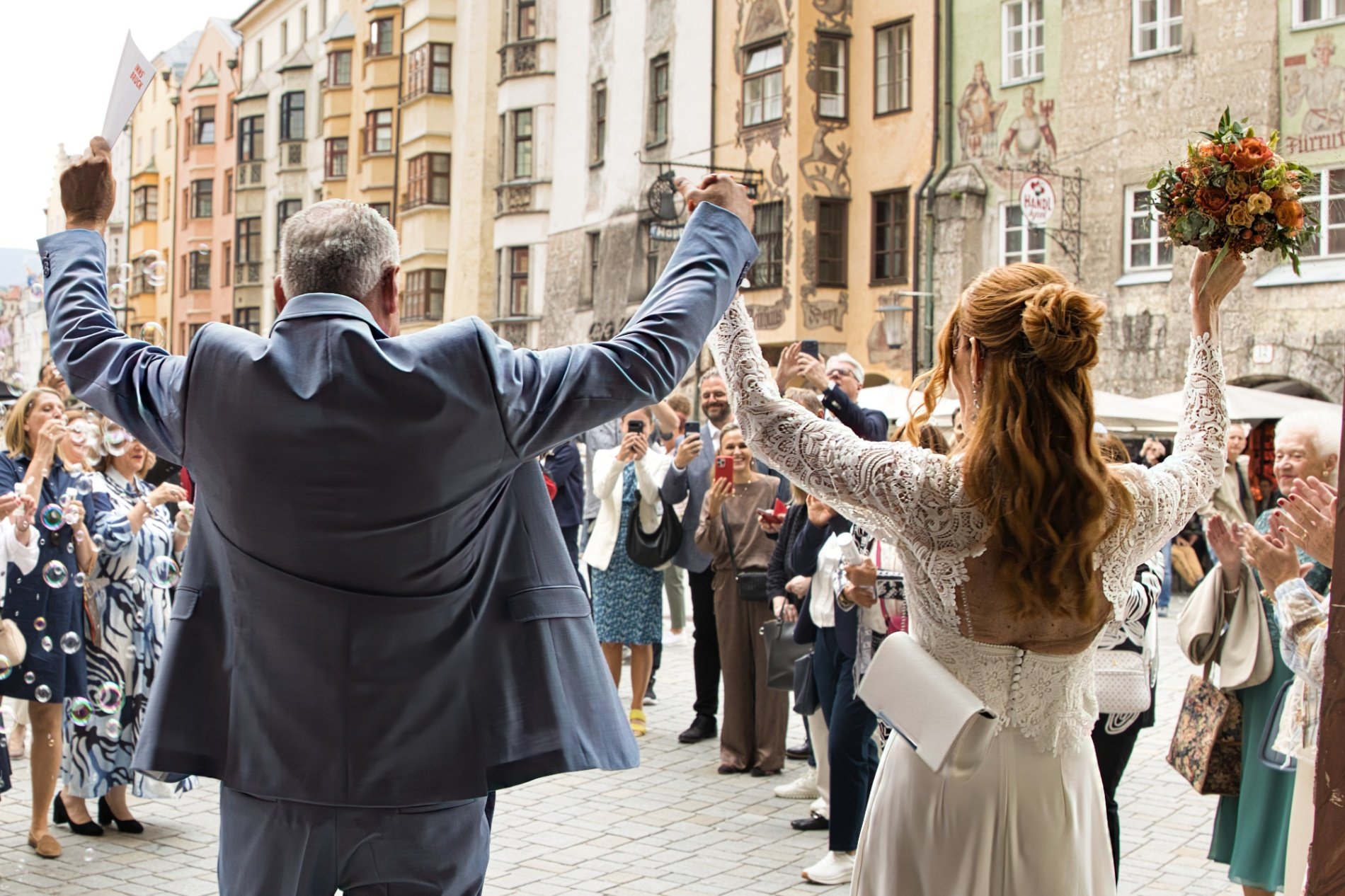
What a photographer in Innsbruck really costs in 2026: one hour from €575, 90 minutes from €680, why there is no two-hour row, what the cable cars add, three sample budgets and where to shoot.
What a photographer in Graz really costs in 2026: one hour from €460, 90 minutes from €680, why there is no two-hour row, three sample budgets and where to shoot, from the Schlossberg to the Murinsel.
What a photographer in the Wachau really costs in 2026: one hour from €345, two hours typically €578, the edited photos behind each price, three sample budgets, the blossom and harvest weeks, and the ferries.
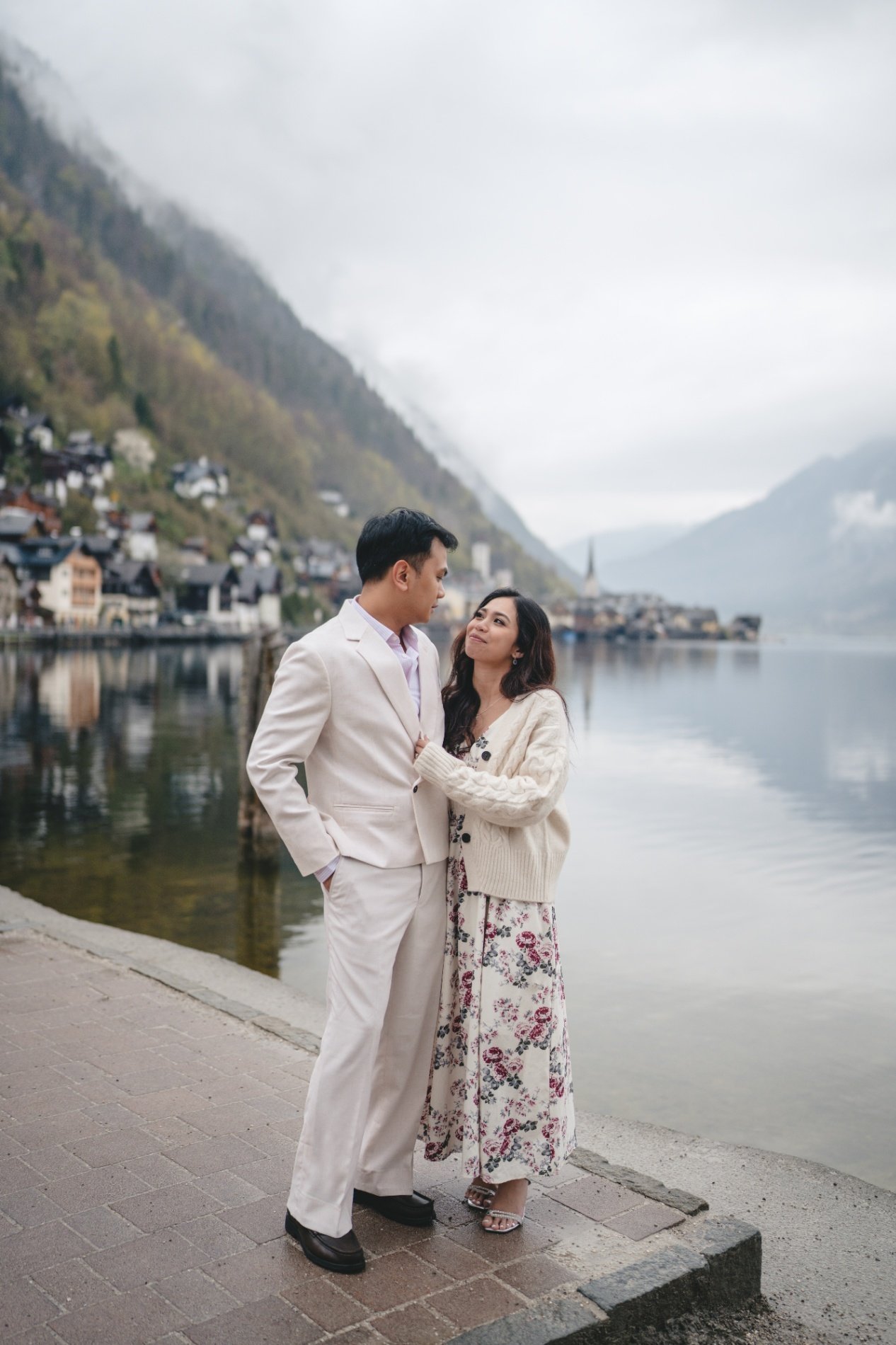
What a photographer in Hallstatt really costs in 2026: one hour from €400, 90 minutes typically €680, what each price delivers, three sample budgets and the hours when the village is yours.
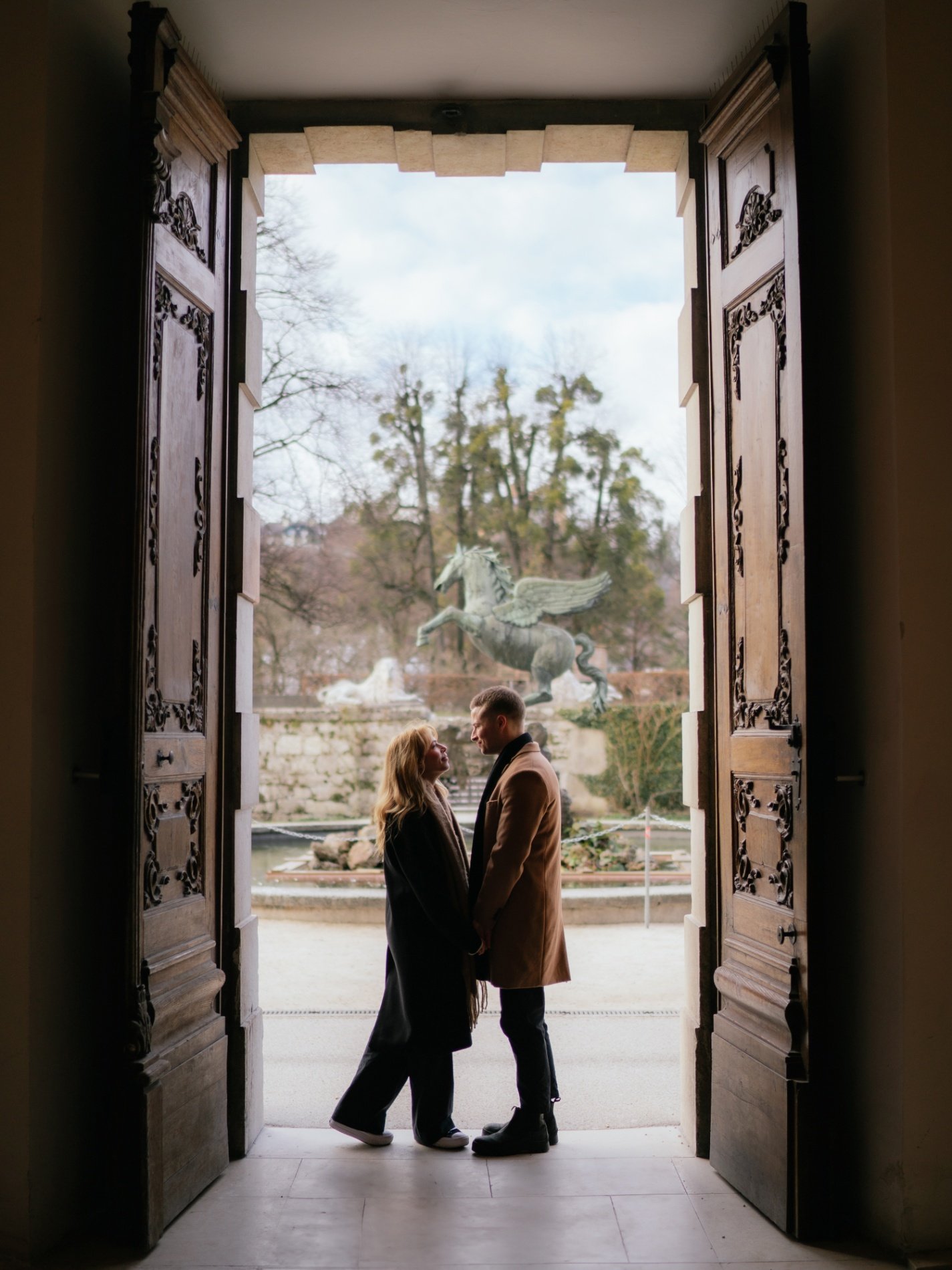
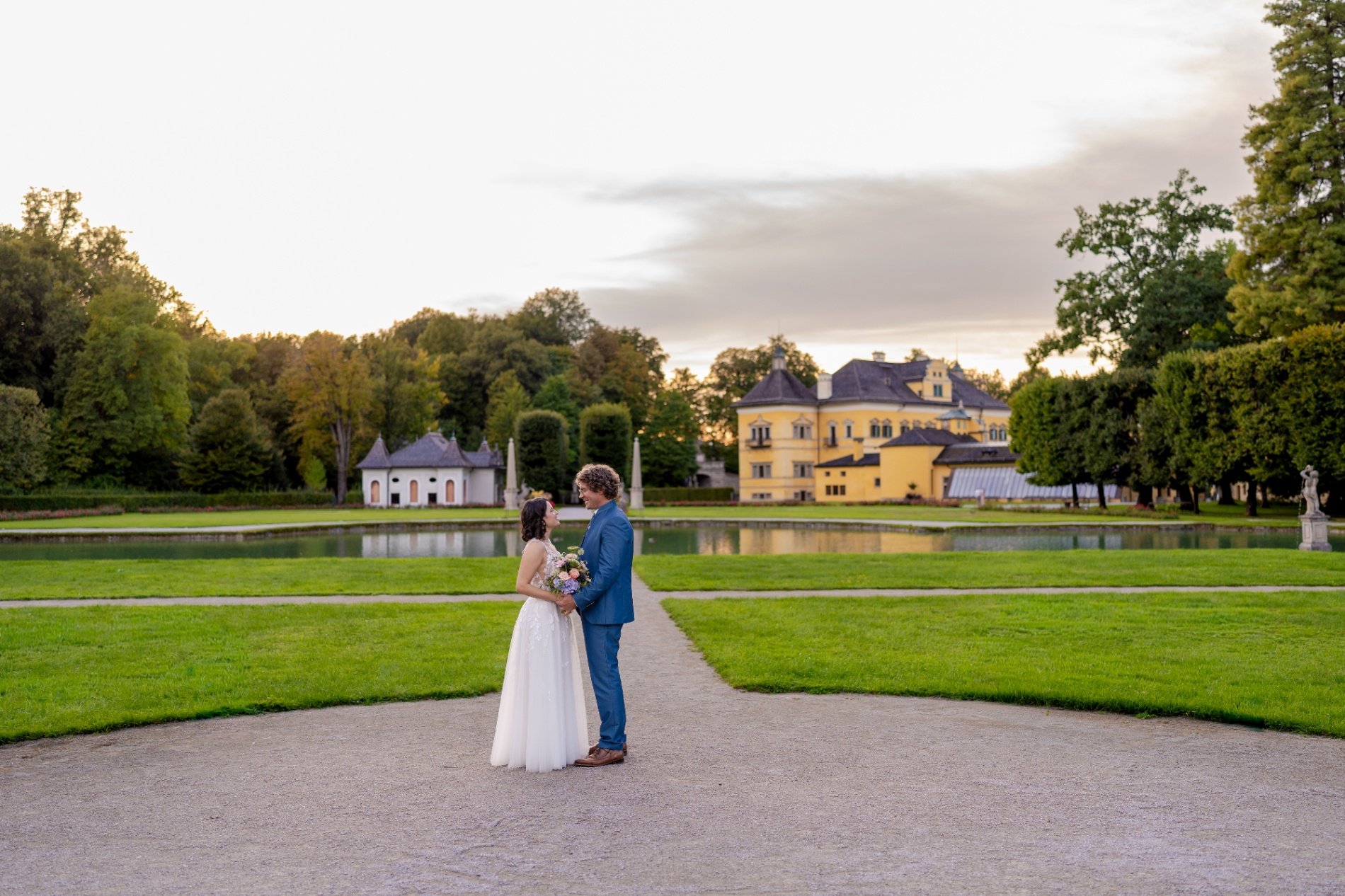
What a photographer in Salzburg really costs in 2026: one hour from €400, two hours typically €820, the edited photos behind each price, three sample budgets and where to shoot at which hour.
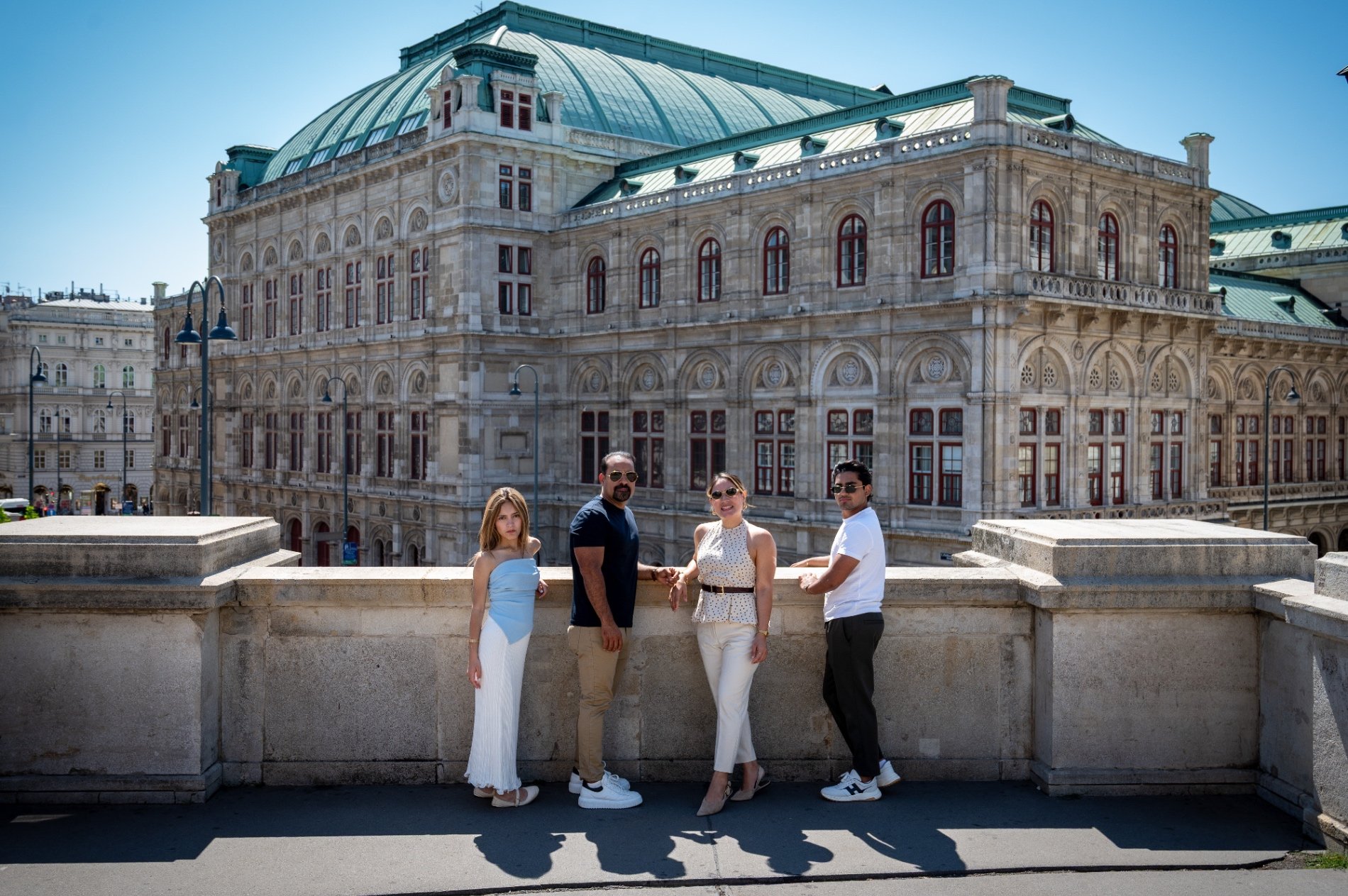
What a photographer in Vienna really costs in 2026: one hour from €345, two hours typically €582, the edited-photo count behind each price, three sample budgets and where to shoot at which hour.
Maria Wörth and Velden on the Wörthersee, the pilgrimage church at St. Wolfgang and the jetties of Pertisau — which shore takes light at which hour, and what boats, heat and wind do to the day.
Where Vienna weddings are actually photographed, which hour each garden works, the permit rule most couples never hear about, and how to build a timeline around light instead of the kitchen.
Snow-sure valleys, chapels that stand alone on white meadows, and a day of light that ends soon after half past four — how to plan a winter elopement in Austria and what to check before you book it.
An Austrian elopement is easy to photograph and easy to get wrong on paper. What the registry office needs, where a ceremony can legally happen, and the lakes, cities and valleys worth building the day around.
An alpine proposal is not decided by the view but by the calendar: which road is open, which cable car runs between seasons and whether wind will stop it. Four places that work, and when to be there.
Hallstatt's famous frame is four metres of railing on a public road, and it belongs to you only at dawn. Where to propose, when to be there, how the photographer stays hidden and what to do if it rains.
Why solo travellers book a photographer in Austria, how posing actually works when you are alone in the frame, and where an hour goes furthest in Salzburg, Vienna and Hallstatt.
Vienna is full of beautiful places to propose. The trick is finding one that is also empty at the hour you need it — and putting a photographer somewhere plausible. Eight spots, and the logistics.
A ski photoshoot is a logistics problem, not a lighting problem. Ski school owns ten to three, the light goes at four, and everyone is wearing a helmet. Here are the windows that work.
The Salzkammergut is the easiest place in Austria to photograph a family: four lakes within an hour of each other, level paths and no climbing. What ruins it is the clock, not the walking.
With children the enemy in Vienna is the transfer, not the light. How to shoot a family session at Schönbrunn, the Prater, the Stadtpark and the Danube island — around naps, prams and the sixty-minute rule.
An anniversary shoot in Salzburg is one walk, not a tour: Mirabell before eight, the fortress funicular, the river and the Steingasse, the Mönchsberg at dusk — plus the dates that close the old town.
Austria's lakes are four different pictures, not one. Here is the one-lake-a-day itinerary that works on a honeymoon: which hour belongs to which shore, and what the boats and railways do by season.
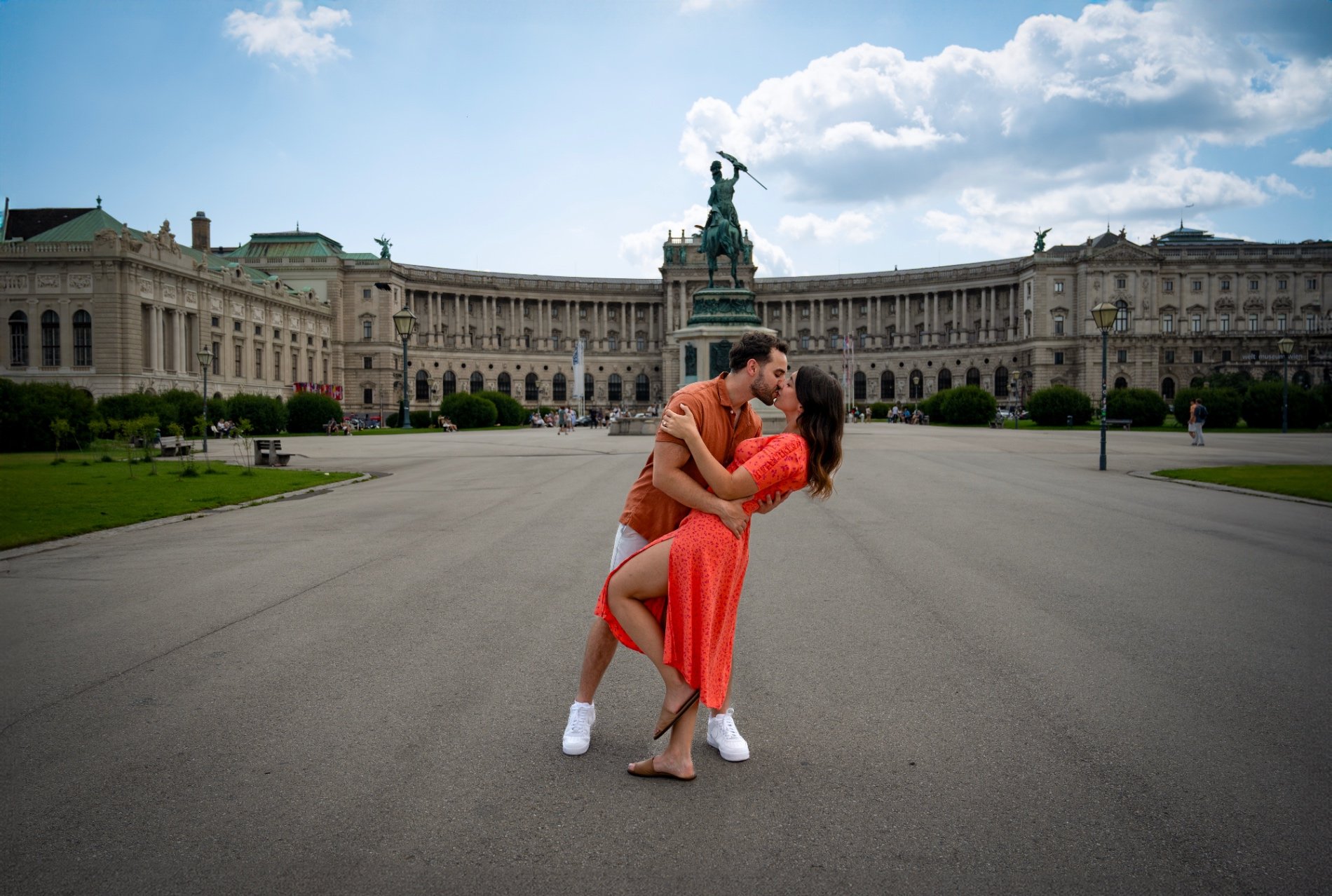
A couples shoot in Vienna is a route, not a location. Three timed walks — the Belvedere to the Stadtpark, Schönbrunn at opening, the Hofburg and Spittelberg after dark.
Snow in Austria is an altitude, not a season. Where the white is reliable in Kitzbühel, Zell am See, Seefeld and Schladming, and how to stay warm enough to look relaxed.
Sunrise or sunset in Austria is decided by geography, not taste: which way the shore faces, how high the ridge behind it stands, and when the last cable car goes down.
December Vienna has eight and a half hours of daylight and its best pictures happen in the forty minutes after the sun goes down. Where to be at that moment, and which hours are worth avoiding.
The mountain decides your outfit, not the other way round. Colours that hold against green and snow, layers that come off cleanly, shoes that get you to the frame, and how to wear Tracht without looking hired.
Austria gives you a different country every two months: snow and market lights, apricot blossom on the Danube, alpine meadows, then larch gold. Here is what each season actually offers a photoshoot.
Almost every Austrian location is a question of light. This one is a question of a gate: the season, the toll and the two hours after opening that decide an alpine elopement shoot.
The photograph that made St. Wolfgang famous is taken from the water. Here is how to plan a family session around the lakefront, the ferries, the Schafberg railway and the Advent lantern.
Graz fits a whole photo day into one loop: a clock tower on a wooded rock, a field of red roofs, Renaissance arcades and a steel island in the river. Here is which hour belongs to which frame.
A turquoise lake at 750 metres, a summit at 1,965 and a glacier at 3,000 — how to plan a family photoshoot in Zell am See and Kaprun around cable cars, cloud and cold.
How to photograph the Wachau: Dürnstein's cobalt tower before the cruise boats arrive, the dry-stone terraces above Weißenkirchen and Spitz in the last light, and what each month does to the valley.
How to photograph Innsbruck properly: the Golden Roof at eight, the coloured houses on the Inn in the last light, and the Nordkette terrace at 1,905 metres, twenty minutes from the centre.
Salzburg is twenty-five minutes across and the fortress lands in half your frames. What decides a session here is the calendar: festival stages in summer, market huts in winter, and an empty parterre at seven.
Hallstatt's famous frame is about four metres wide and has a queue from ten until four. Here is where to stand, when to arrive, what the new funicular changed and how winter rewrites the whole day.
Vienna's best frames are free and empty before nine, and unusable by eleven. Here is where to stand at Schönbrunn, the Belvedere, the Ring and the vineyards, hour by hour and U-Bahn by U-Bahn.
Four locations, four directions of light: Maria Wörth from the water, Velden at sunrise, the Pörtschach peninsula and the Pyramidenkogel. How to plan a Wörthersee shoot around the hour.
Kitzbühel packs a painted medieval street, two famous mountains and a mirroring moor lake into a very small radius. Where to stand, when the light works, and the one January week to avoid.
The Gosausee holds the whole Dachstein upside down — but only until the valley wind gets up. Where to stand at the north end, when the light arrives, and what the circuit and the upper valley add.