Planning Wedding Photos in Vienna: palaces, venues and timings
Vienna gives a wedding more usable backdrops per square kilometre than almost any capital in Europe, and most of them cost nothing to stand in. What costs you is time. The set pieces are twenty minutes apart in traffic that does not care about your dinner reservation, the gardens that look deserted in photographs are deserted for about two hours a day, and the rules that govern them are not the ones people assume. A Vienna wedding that photographs well is one whose timeline was built around light and distance rather than around the kitchen.
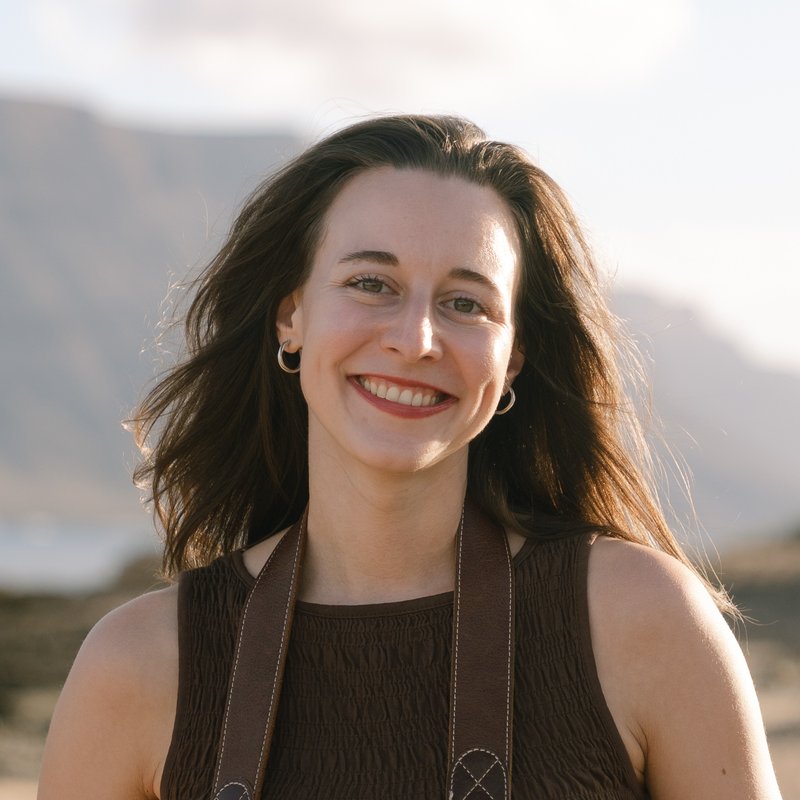
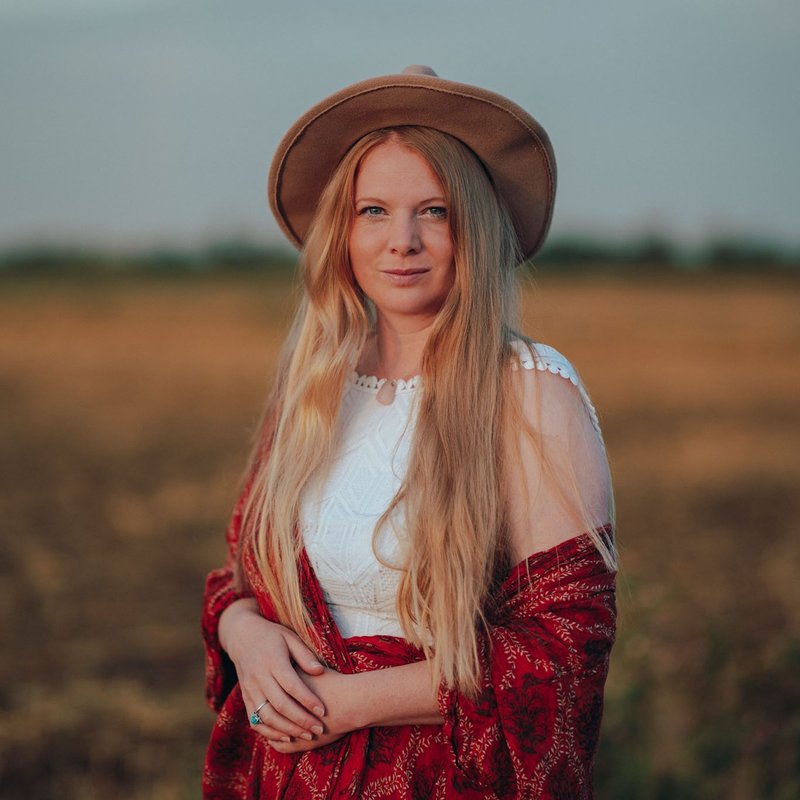
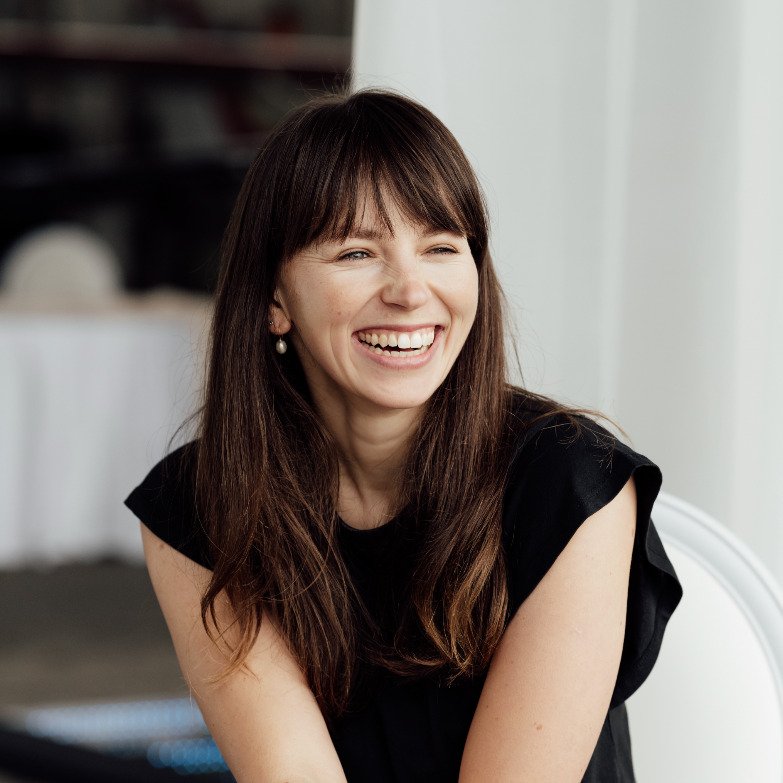
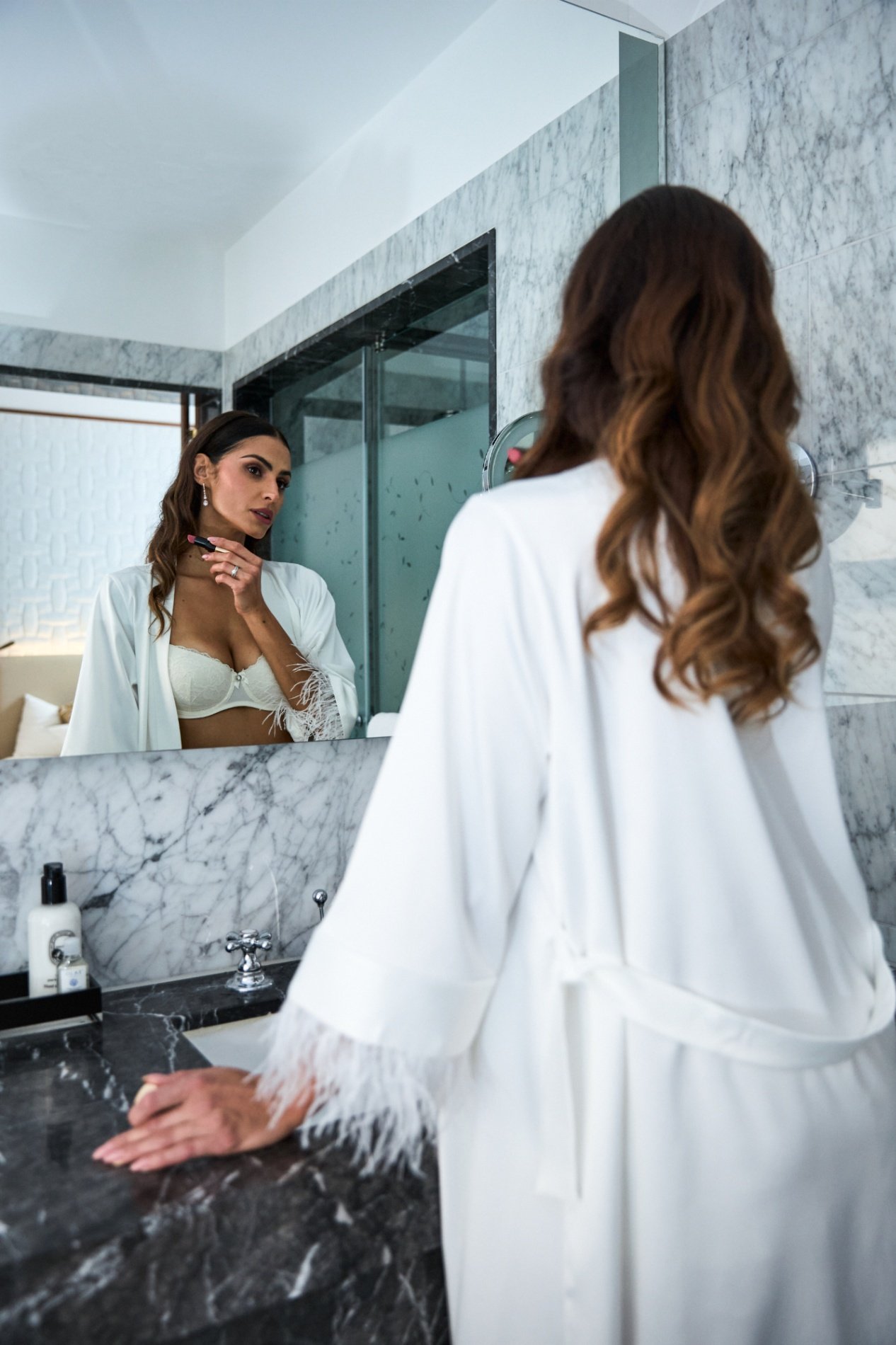
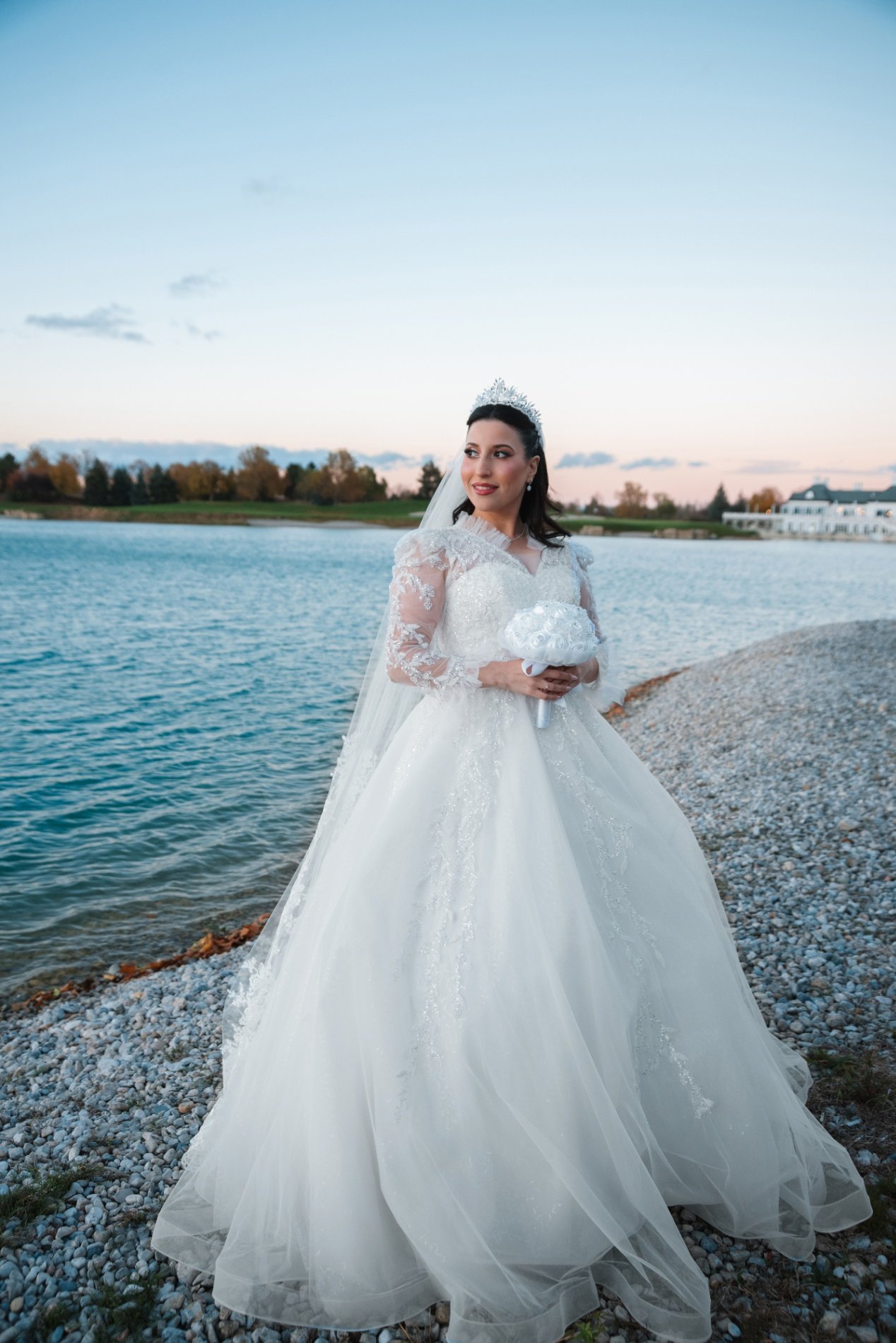
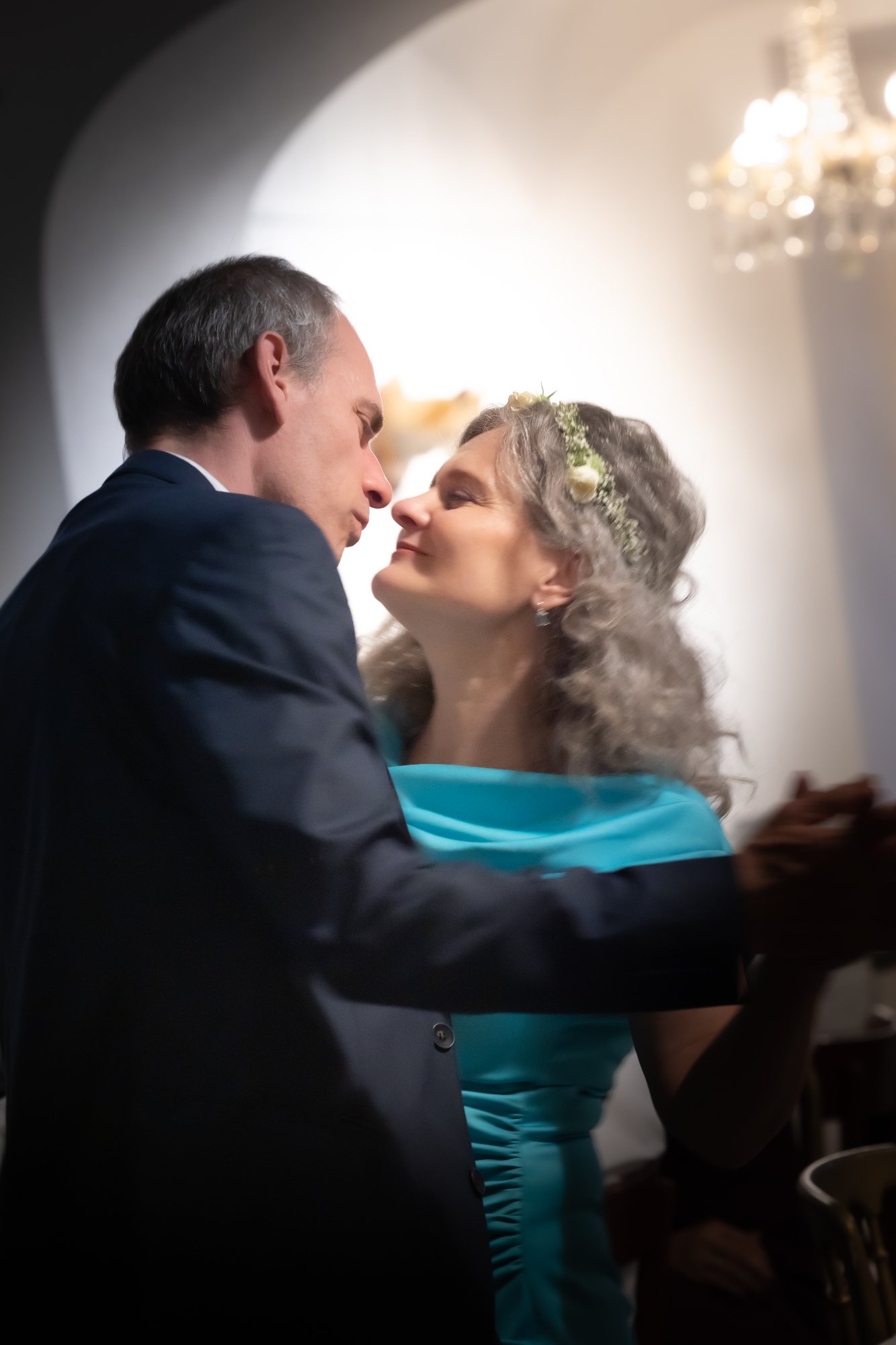
Real shots from Vienna
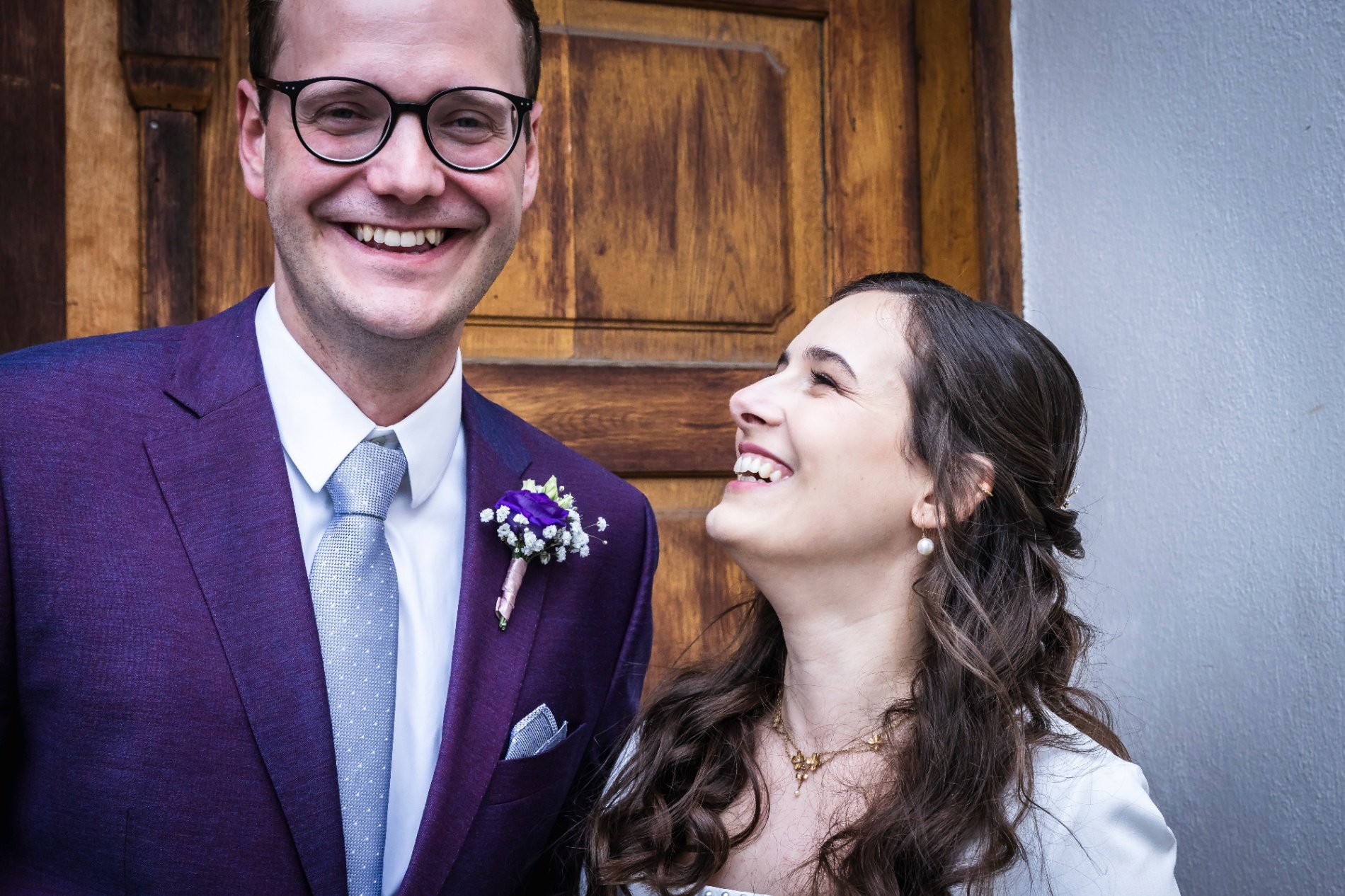
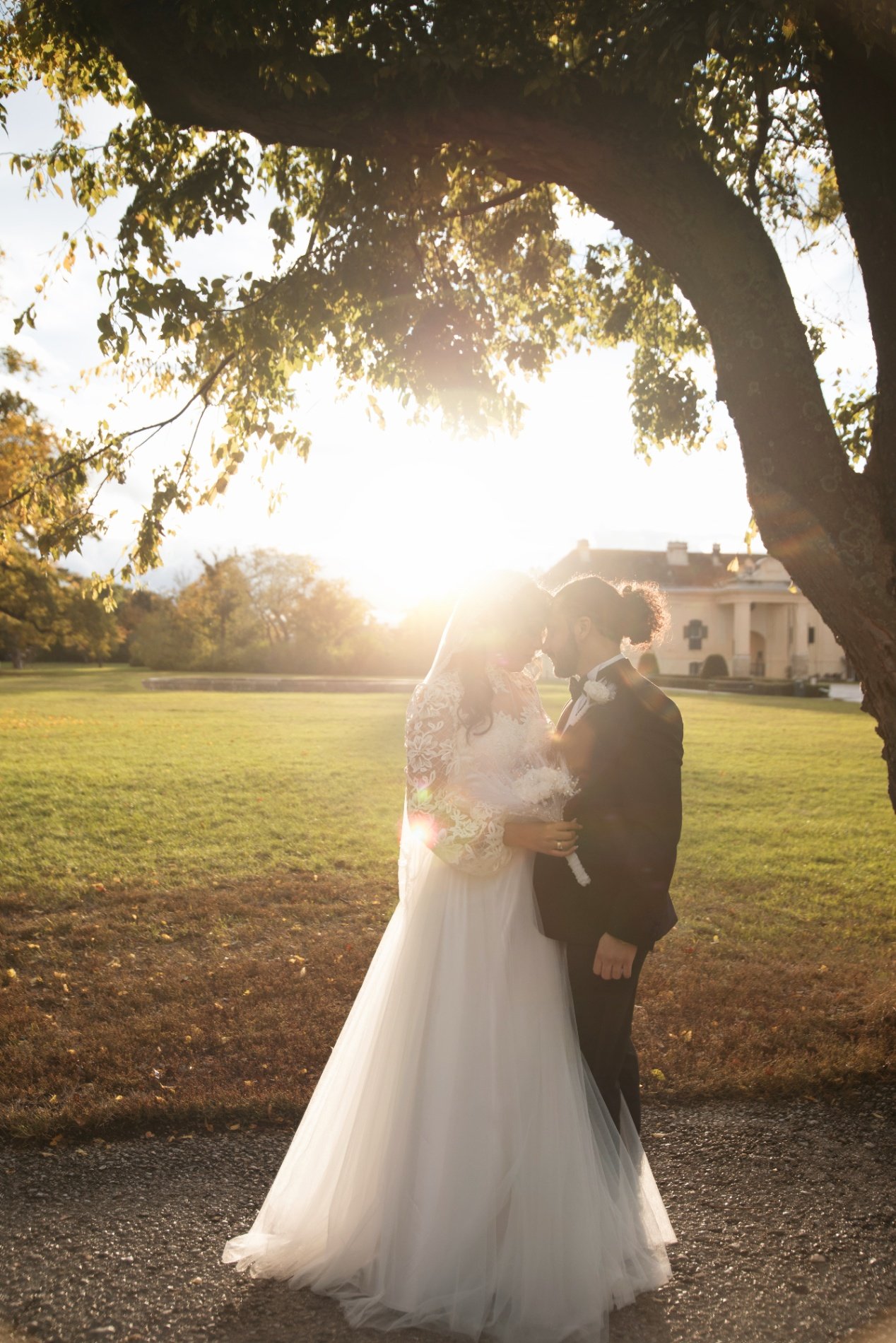
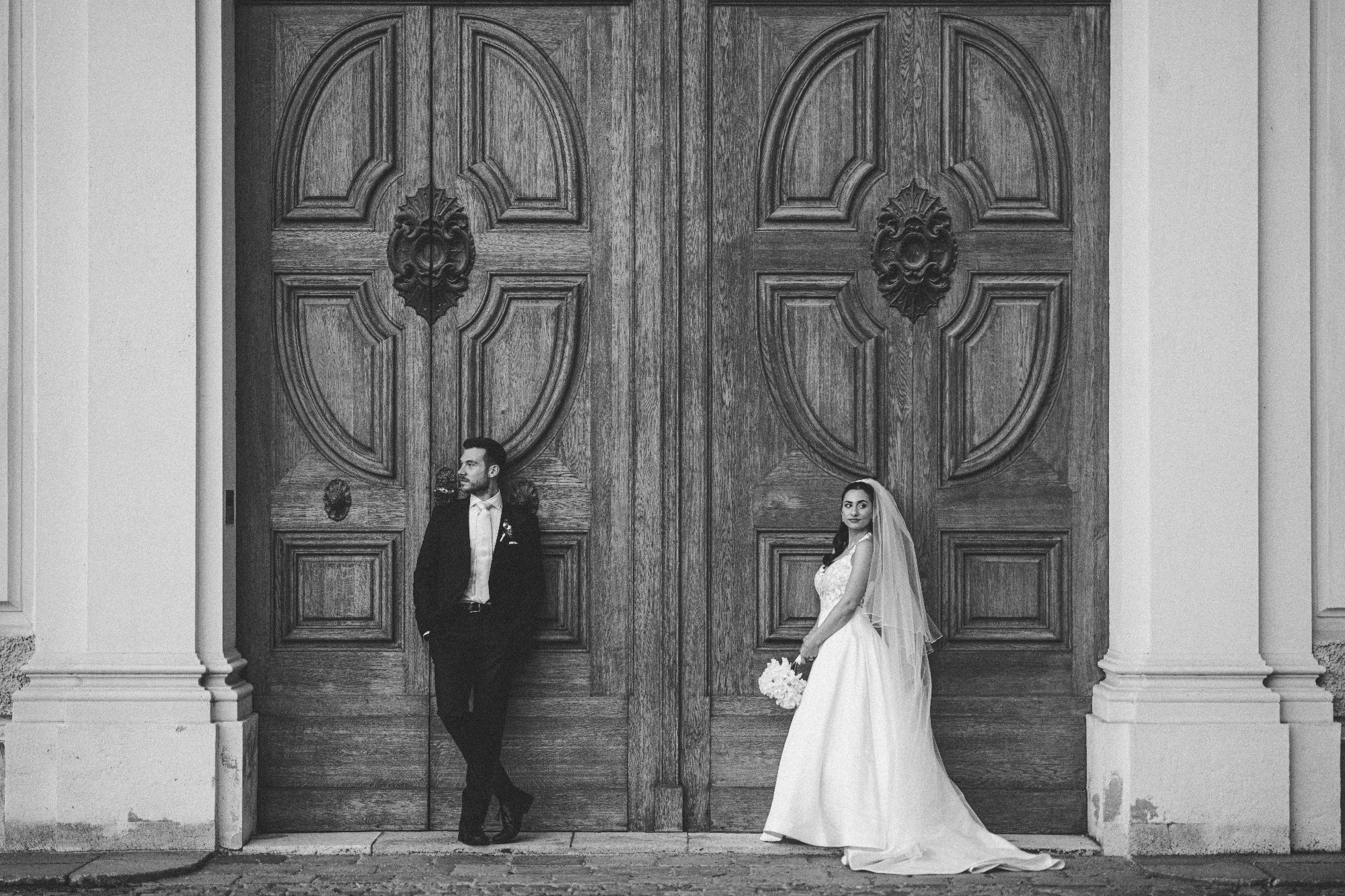
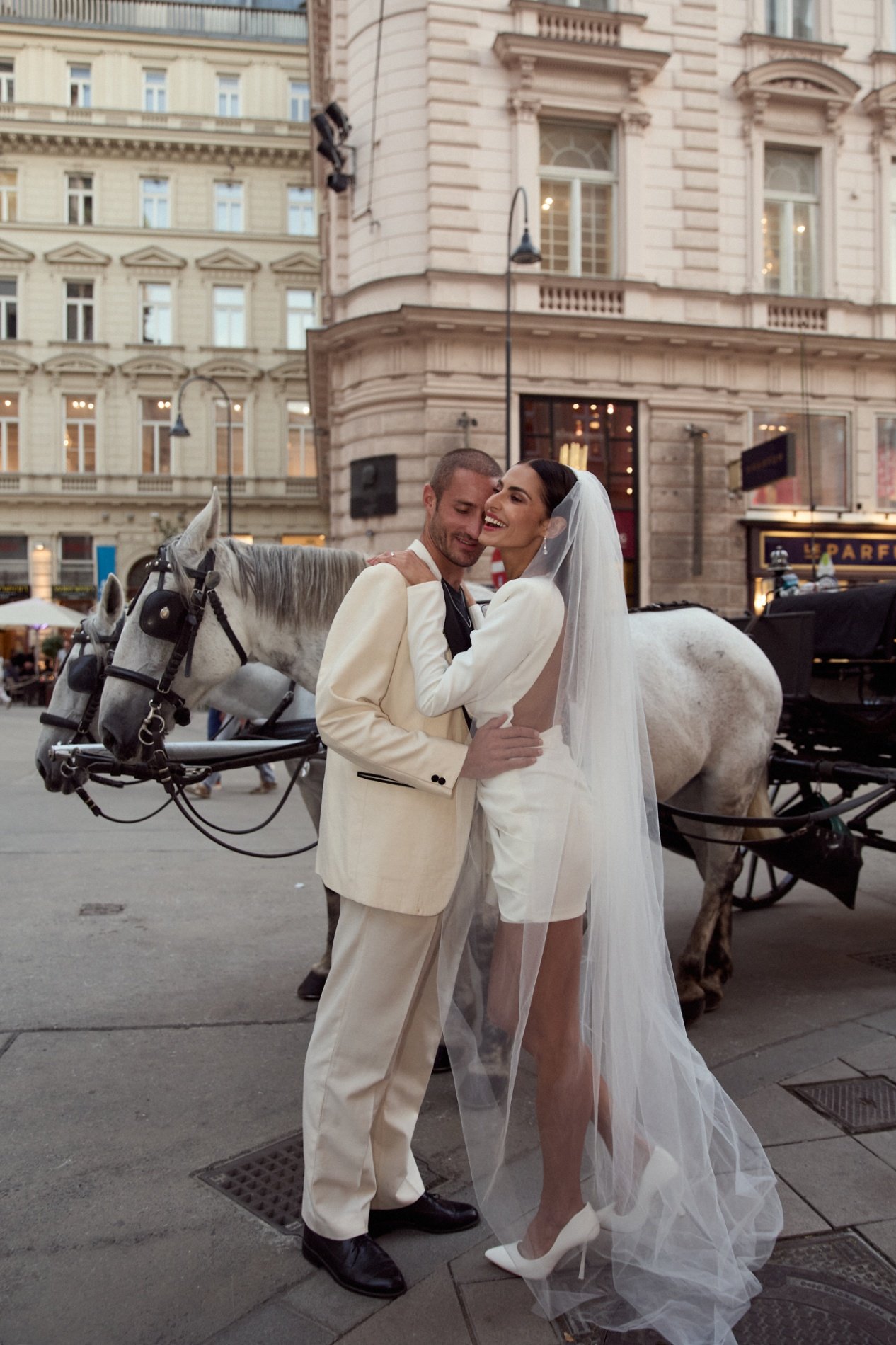
Work backwards from the portrait window
Vienna's sunset moves further than couples expect: just before nine in the evening at midsummer, just after four in the afternoon around the December solstice, when the sun does not rise until about a quarter to eight. A June wedding therefore has a real two-hour portrait block between the ceremony and dinner. A late-November wedding does not — the good light is gone before the aperitif, so either the portraits happen before the ceremony or they happen after dark with the city lights, and that should be a decision rather than a discovery.
Whatever the month, the last hour before sunset is worth more than the two before it. Protect it. If the venue's timings and the light disagree, move the aperitif, not the portraits: guests remember a fifteen-minute gap far less than you will notice flat midday light on every photograph you keep.
Schönbrunn and the Belvedere: free gardens, rules that are not
Schönbrunn's park opens at 6:30 in the morning, long before the palace, and that first hour is the whole point. From the Neptune fountain the palace fills the frame across the parterre; from the Gloriette's colonnade the parterre, the palace and the city stack up in three planes. The light comes low from the east at that hour; by nine the gravel walks carry the first tour groups and by eleven the frame has a hundred people in it. Late afternoon is a second window, with the palace lit from the west, but never as empty. The zigzag climb to the Gloriette takes ten minutes and there is a step-free route on the eastern side.
The Belvedere is the other free set piece. The south pool doubles the whole façade on a still morning, which makes the reflection a weather question — check the forecast for a calm hour. The gardens open early and cost nothing; the museums inside are ticketed and open at ten. The south front faces the sun and is lit through most of the day, while the north garden is in shade in the morning and warms in the afternoon, with the city and St Stephen's spire behind it. Snow on the parterre in January is the best version of the place and the rarest.
One rule matters more than any of that. Schönbrunn's park, the Belvedere garden, the Burggarten, the Volksgarten and the Augarten are Austrian federal gardens with their own park regulations, and commercial activity in them — a paid photo shoot included — requires written permission. Estates also set their own conditions on tripods, larger set-ups and drones, and those change. Ask months ahead, in writing, rather than finding out on the morning.
Where people actually get married
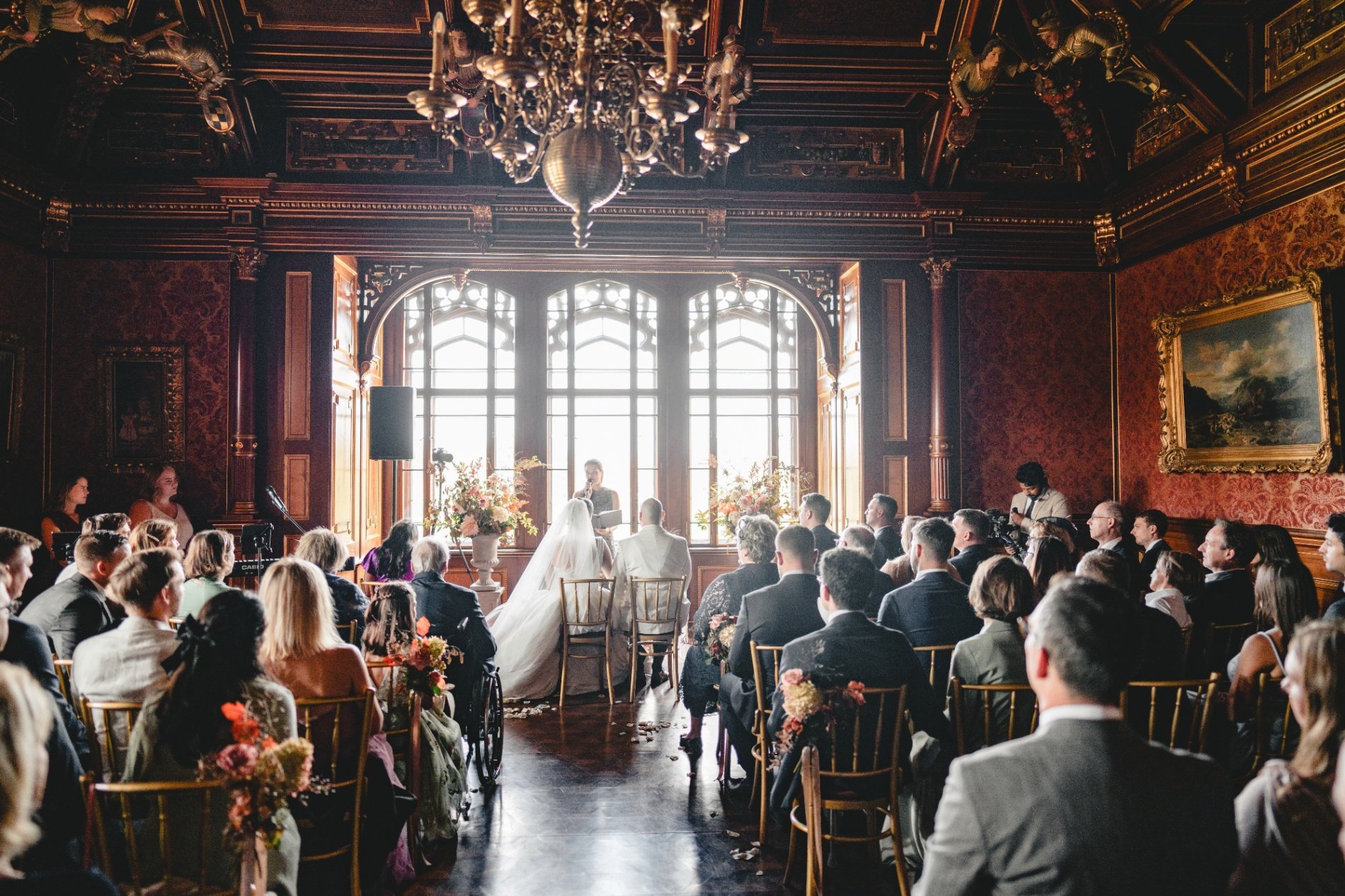
The Orangerie at Schönbrunn takes both civil and free ceremonies in the room itself, with the smaller Apothekertrakt beside it. The Upper Belvedere hires out its state rooms, of which the Marble Hall is the one people picture. In the inner city the palais do the same job with less garden and more chandelier: Palais Pallavicini on Josefsplatz, Palais Coburg, the Liechtenstein town and garden palaces, Palais Ferstel. The Palmenhaus in the Burggarten is a different register again — a long glasshouse beside the Albertina, given its present Jugendstil ornament by Friedrich Ohmann in 1901, hired as an event space with the garden outside it.
All of these are hires, all of them have house rules on photography, access and timing, and the popular Saturdays go a year or more ahead. When you ask about availability, ask two more things: whether you can be in the room or the garden before guests arrive, and what the house allows a photographer to do. An hour of quiet access is worth more to the pictures than an extra course.
Small ceremonies, and the smallest venue in the city
Vienna's registry offices have their own ceremony halls, and the city also marries couples at a number of other locations around town. Date reservations open only inside a window before the day, so ask the Standesamt what the current rule is instead of assuming you can book two years out.
The smallest wedding venue in Vienna is a Ferris wheel cabin. The Riesenrad in the Prater has a wedding car that holds up to ten people including the registrar, and the ceremony runs while the wheel turns, with the vows spoken at the top. It is a lovely few minutes and it is not a portrait location — glass, one direction of light, no room to move. Plan the pictures on the ground, before or after.
What clients say about this kind of shoot
We are overjoyed with the photos from our wedding. Ian and Kiran not only have a fantastic eye for the special moments, they also bring a wonderfully relaxed and caring manner. Our guests were thrilled too! Thank you so much for the priceless memories and for your amazing dedication. We couldn't have wished for a better photographer ♥️
— Behiye O. on Ian P.
Very professional, likeable and easy to work with. The photos turned out beautifully and capture our wedding day in a very special way. We're very happy and can definitely recommend him!
— Tony P. on Ian P.
We're so happy we chose you! From the very first contact, everything was totally hassle-free and pleasant. Both at the pre-wedding shoot and on the wedding day we felt really comfortable with you, and everything was really relaxed and professional. The photos turned out really great and we're absolutely thrilled with the result! You captured the most beautiful moments of our day perfectly and gave us truly lovely memories. Thank you so much for your amazing work! We'd book you again any time and can't recommend you enough! ❤️
— Chelsea B. on Ian P.
Super friendly, creative, dedicated photographers! We clicked right away, they were really accommodating and delivered on time! Absolutely amazing photos that we always love looking at 😍
— Rechusmile on Ian P.
For our wedding, nothing mattered more to us than capturing the special moments and emotions forever. So naturally we had pretty high expectations of our photographers and videographers – and finding them was probably one of the biggest strokes of luck in our wedding. ❤️ On the day itself, we already felt incredibly comfortable with the two of them. They're super friendly, warm-hearted and at the same time absolutely professional. You can tell right away that they know 100% what they're doing, and they still manage to capture the moments completely naturally, without anything feeling posed. At first we even thought we didn't really need a video and were only looking for a photography team. Today we can say: we needed this video!!!🥹 The video truly exceeded our expectations. Watching it feels like living our wedding day all over again – with all the emotions, the voices and the little moments that we ourselves didn't even consciously take in on the day. And the photos turned out simply beautiful too, capturing our day exactly the way we want to remember it. We are incredibly grateful that the two of them were by our side at our wedding and captured these special memories for us. We would choose them again any time and recommend them with all our hearts. ❤️
— Marlene on Ian P.
We first met back in the spring, and getting to know each other was completely easy and went really well! We felt comfortable with Julia right away, so we confirmed that she would photograph our wedding. On the wedding day itself, too, everything was just as it should be. We can't recommend Julia enough!
— Hinum Robert und Angela on Julia H.
The city when the palaces are booked
Spittelberg is the frame that says Vienna without a palace in it: three cobbled lanes of two-storey Biedermeier houses in ochre, rose and pale green, two minutes behind the MuseumsQuartier. The lanes are narrow enough that direct sun rarely reaches the ground, so the light stays soft from morning to evening and the façade colours do the work. Weekday mornings before eleven are empty; from mid-November the Christmas market strings lights across the lanes and dusk is the hour to use them. The lanes are public streets, but the courtyards are private and the cafés are businesses, so ask before setting up in either.
For a last hour with the whole city in it, the Kahlenberg terrace above the Grinzing vineyards faces away from the setting sun, which is exactly right: the city is lit from behind you and the vines below turn warm, then the lights come on across the plain during the blue hour.
Moving a wedding party across Vienna
The U4 stops at Schönbrunn, five to seven minutes' walk from the main gate, and trams 10 and 60 stop directly outside the gates. The Belvedere sits between the Ring and the Hauptbahnhof and is easiest to reach from the Quartier Belvedere stops; tram corridors in that part of the city have been under long-running works, so check current diversions before promising anyone a time.
A Fiaker is the classic transfer and it is genuinely slow — a horse-drawn carriage moves at walking pace, which makes it a picture rather than a shortcut, and the good ones are booked months ahead. One more thing to check: photography and filming on public streets, pavements and squares in Vienna is regulated. A couple walking with a photographer is one thing; the moment a group blocks a pavement, parks a vehicle or holds up traffic, the city expects a permit. Ask what applies to your day.
The rain plan you make in October
It rains in Vienna in every month, and the honest rain plan is a booked interior rather than an improvised one. Coffee houses are businesses: a reserved window table at a quiet hour works beautifully, and a party of twelve arriving unannounced does not. The Palmenhaus, the covered passage under the Michaelerplatz dome, the MuseumsQuartier courtyards and the passages behind Spittelberg all give cover within a short walk of the centre.
And do not treat rain as a loss. A wet Ringstrasse at night, with tram lights running across the tracks and the Rathaus lit behind, is a stronger frame than a grey park at four in the afternoon. Umbrellas in a plain colour, a coat that survives wind, and shoes that can take a puddle are the whole preparation.
Planning wedding photos in Vienna
Two hours is the realistic portrait block for a Vienna wedding: one garden, one street, and the transfer between them. Three hours adds the coffee house or the Kahlenberg without rushing. On our express booking that is €509 for 120 minutes and €749 for 180, all-inclusive, which is a useful benchmark even if you book full-day coverage elsewhere in your budget.
Send the photographer three things when you enquire: the ceremony time, the dinner time, and the addresses in between. Everything else — which gate at Schönbrunn, which side of the Belvedere, whether the Fiaker is worth the twenty minutes — is a local decision, and a photographer who works the city weekly will make it faster than any plan drawn from a distance.
You can browse photographers in Vienna, read what our wedding coverage includes, and see the rest of the city's backdrops on the Vienna destination page.
Want professional photos in Vienna?
Browse portfolios, compare packages, and book a verified local photographer in minutes.