Vienna in December: Christmas markets, lights and a winter photoshoot
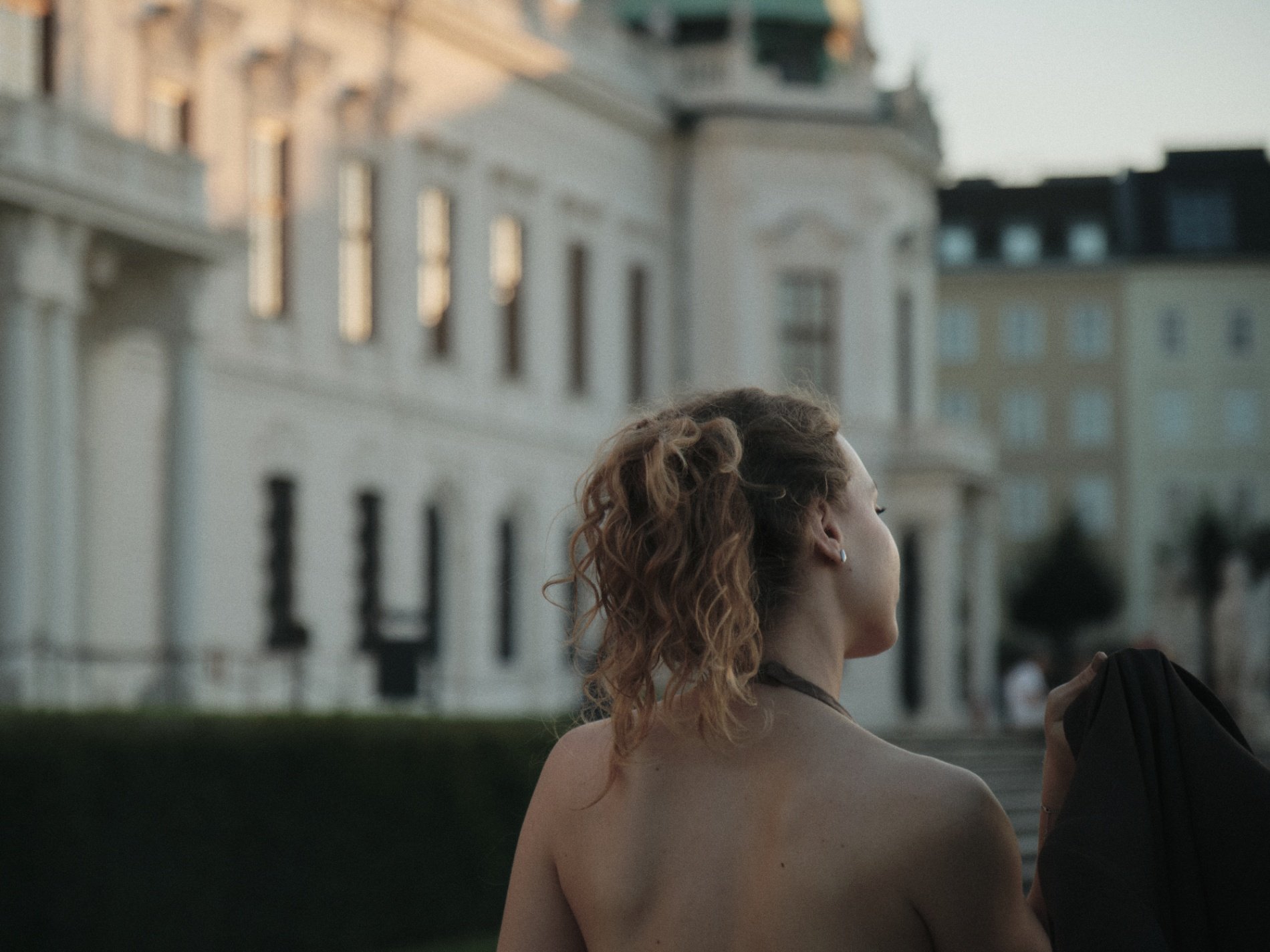
December is the one month in which Vienna is more photogenic after dark than in daylight. The sun sets around four o'clock all month, the earliest sunset of the year falls in the second week, and the whole day gives barely eight and a half hours of light. That sounds like a problem until you see what happens next: the market lights come on while the sky is still deep blue rather than black, and for roughly half an hour the city sits between two light sources of nearly equal strength. That half hour is the reason to come.
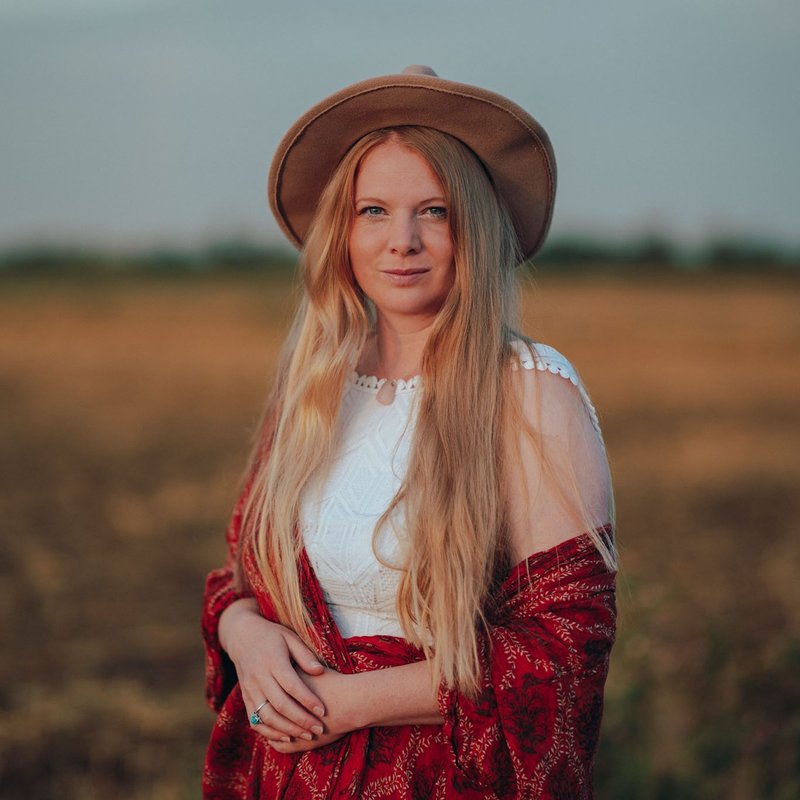
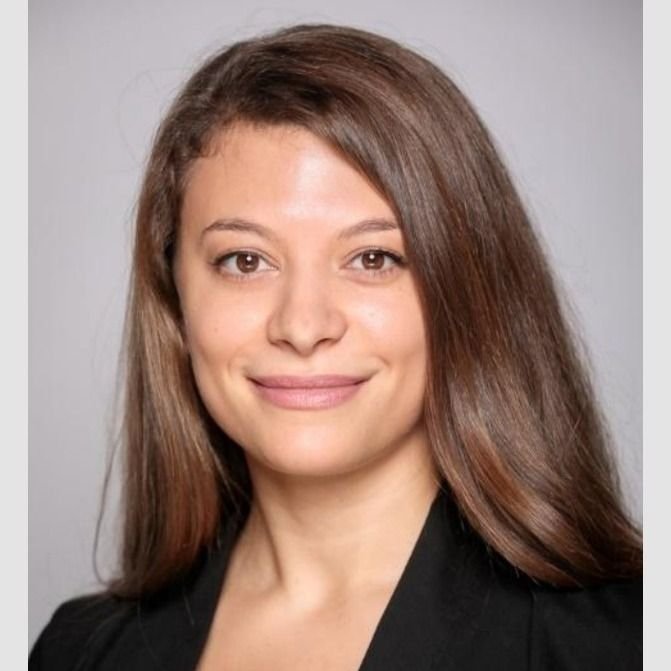
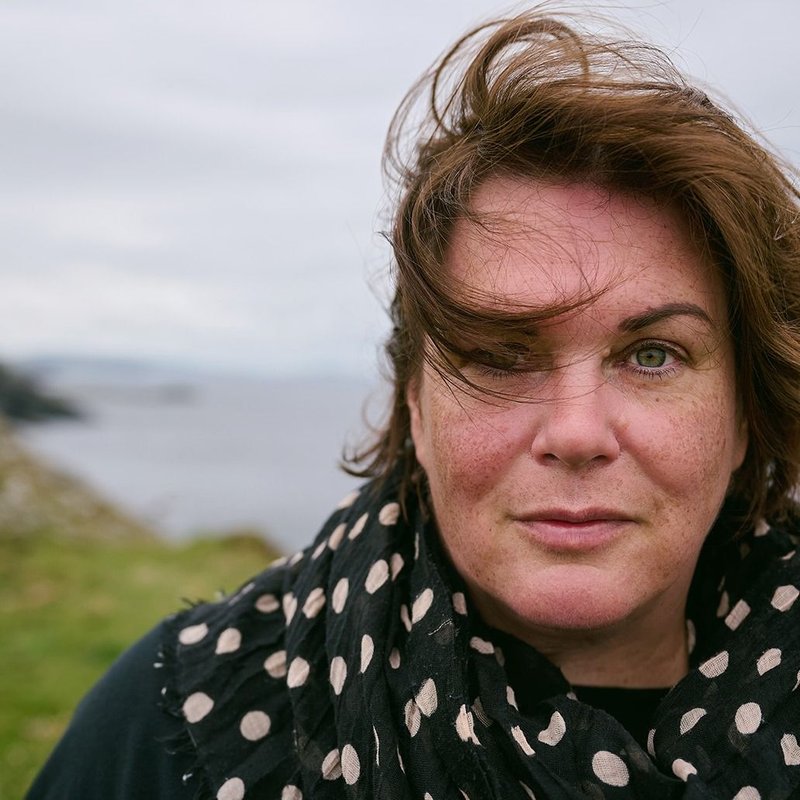
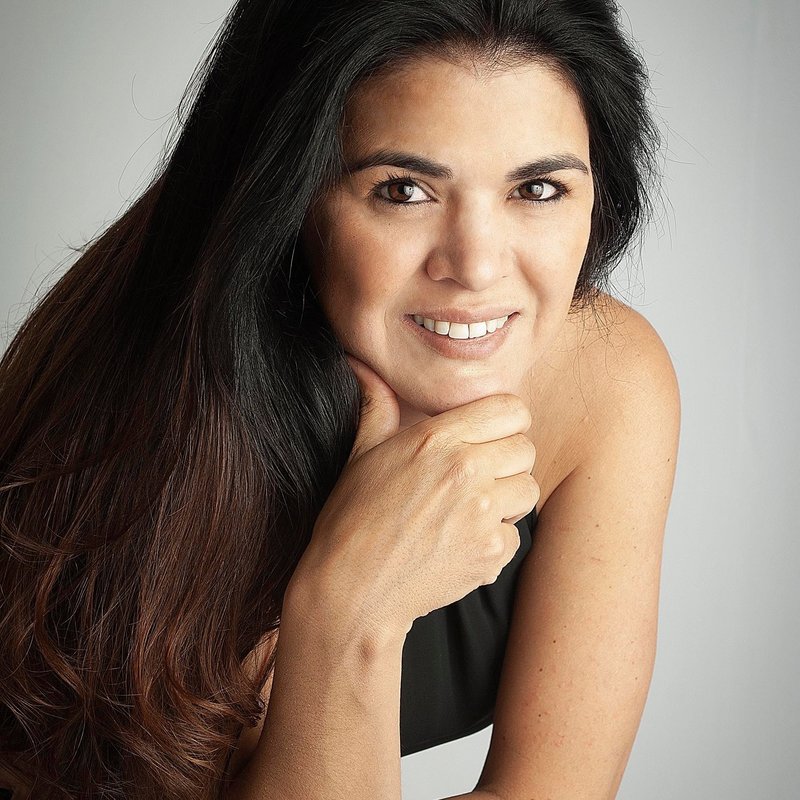
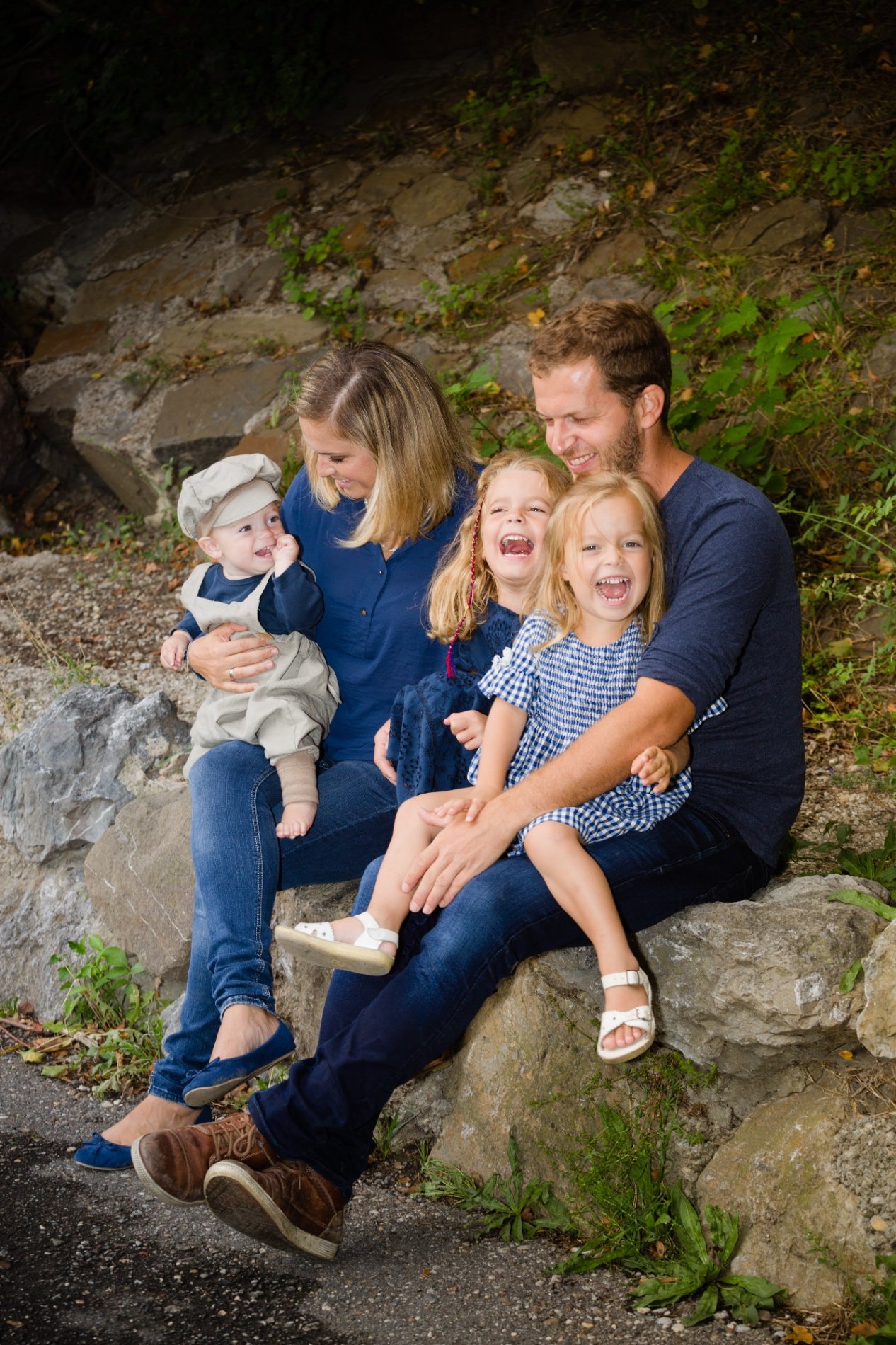
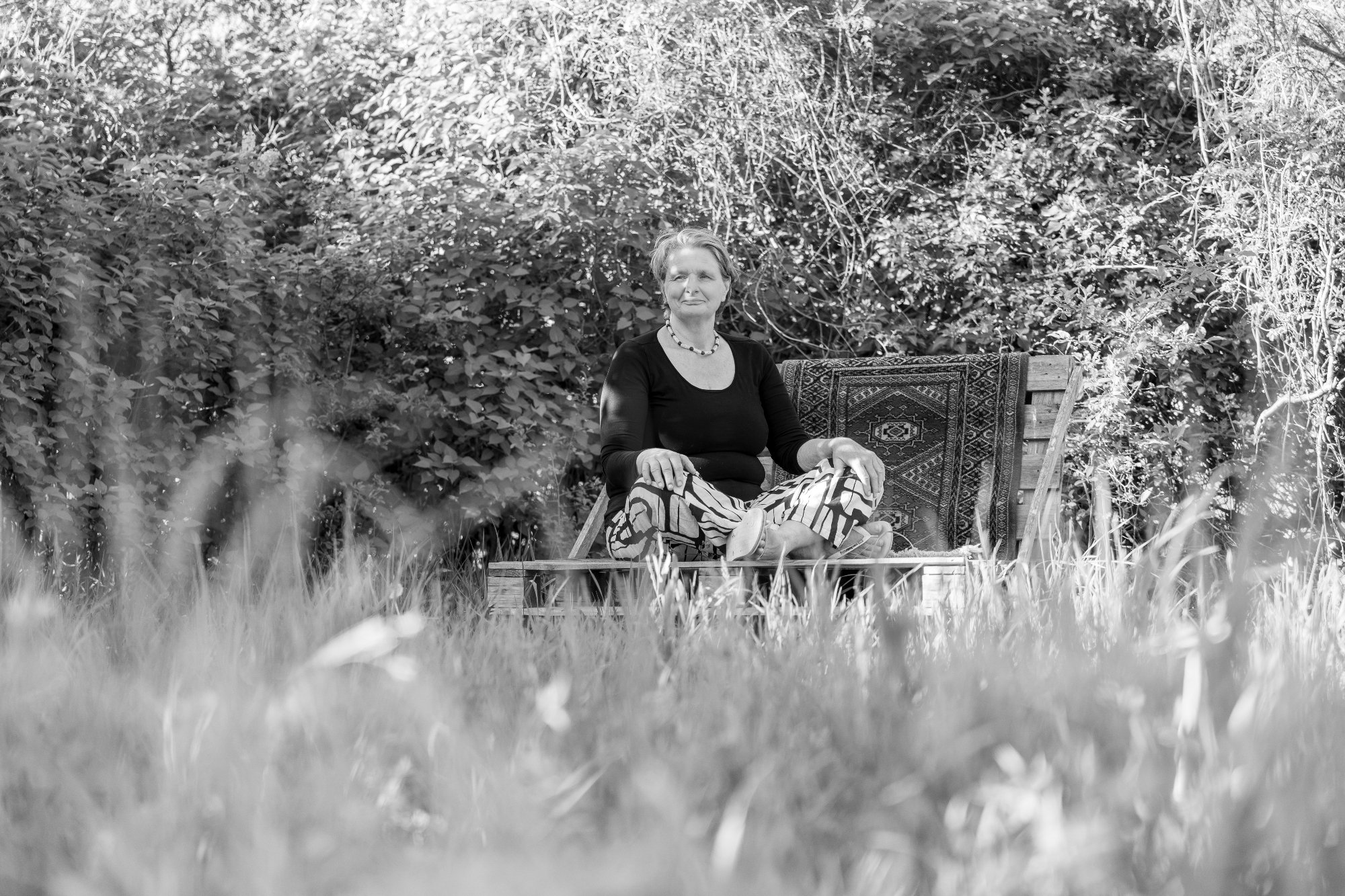
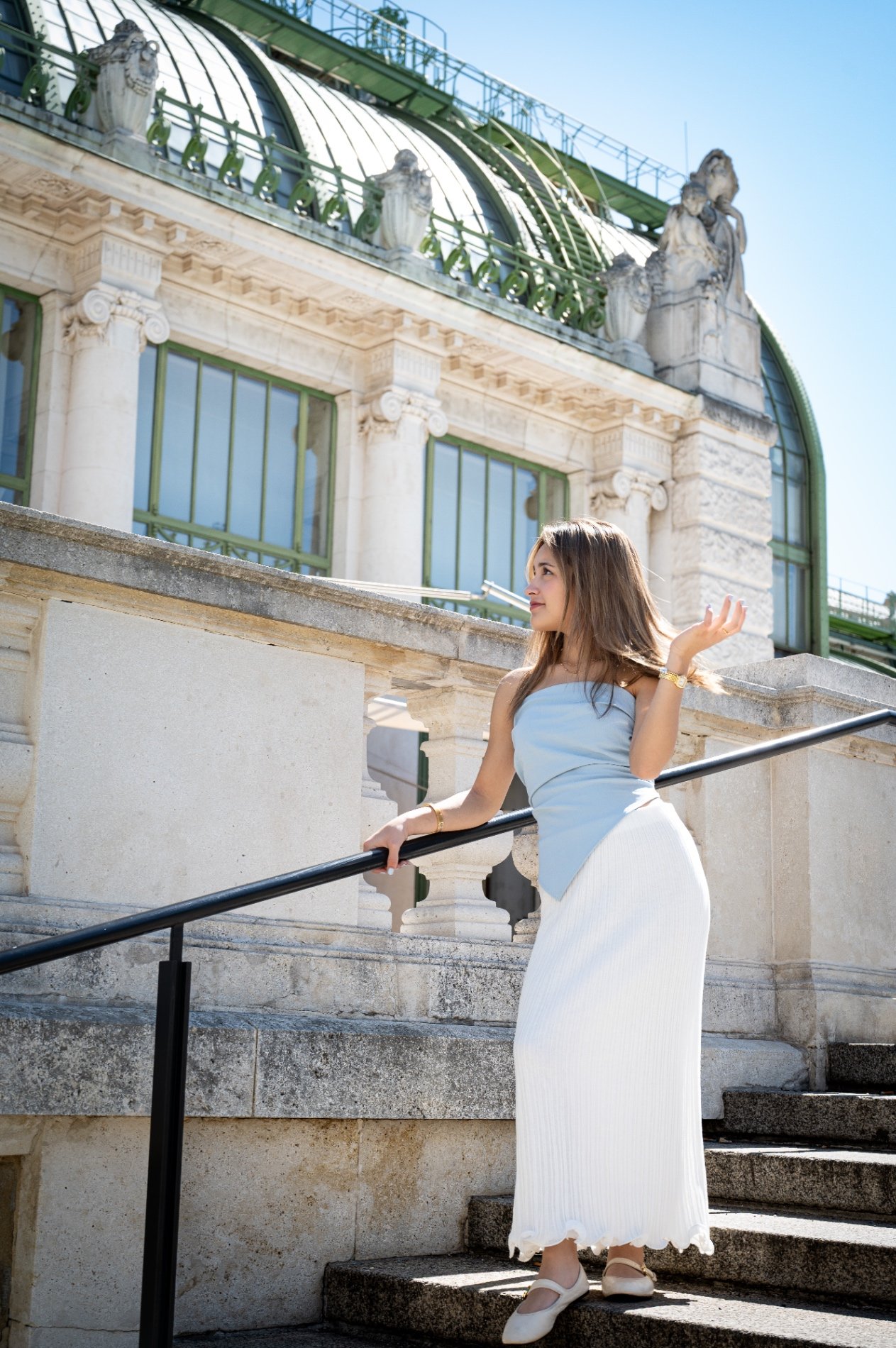
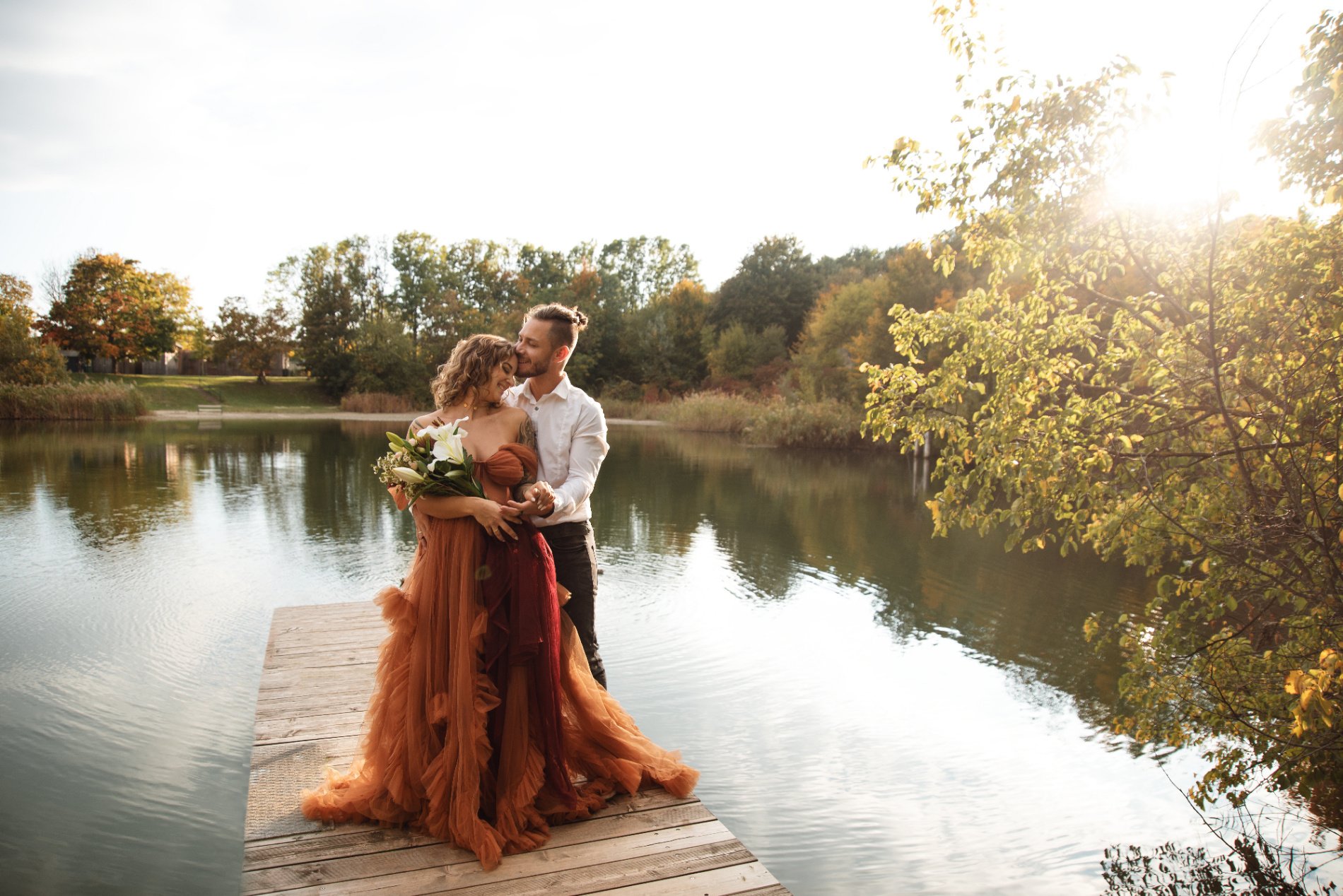
Real shots from Vienna
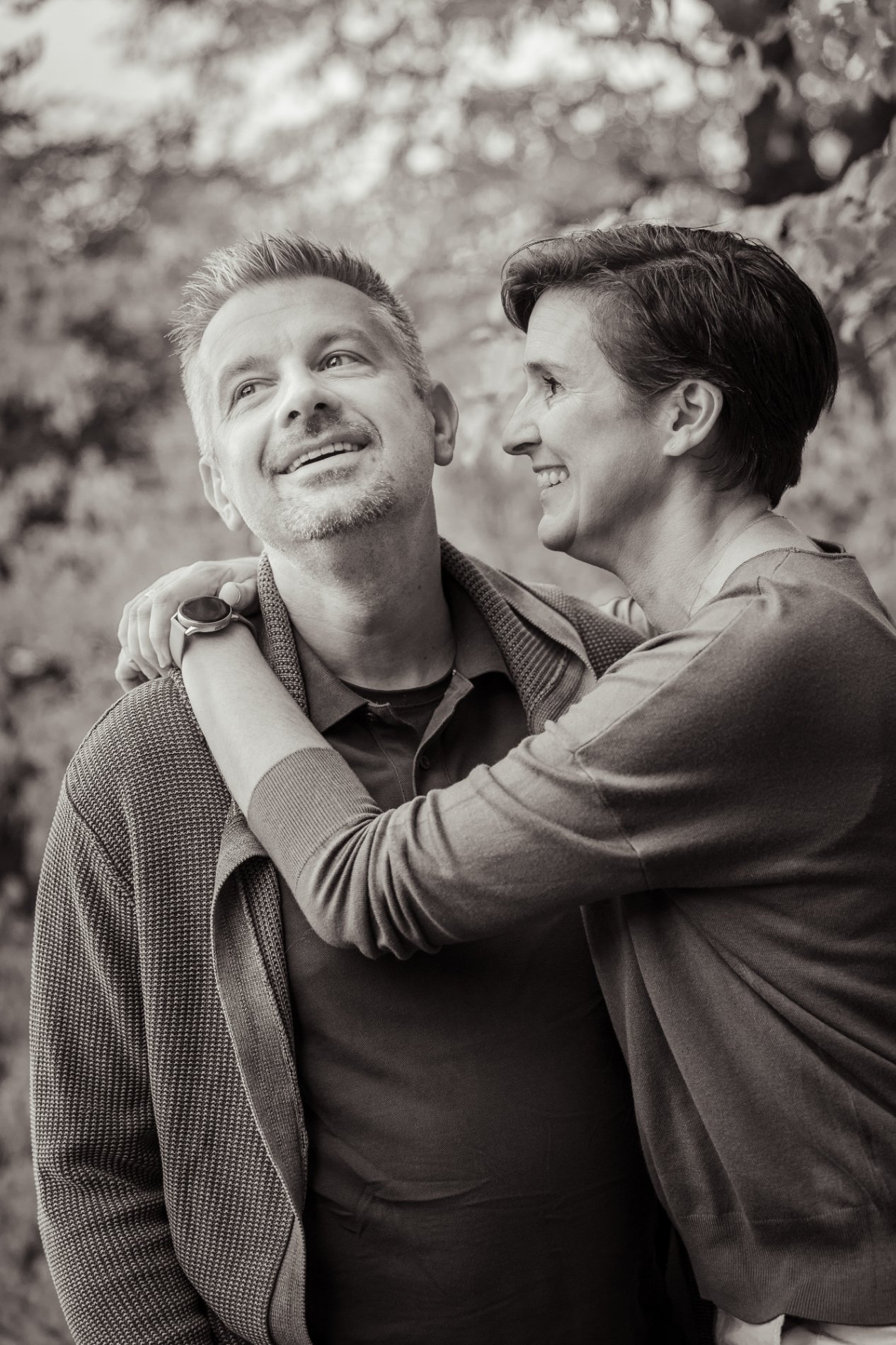
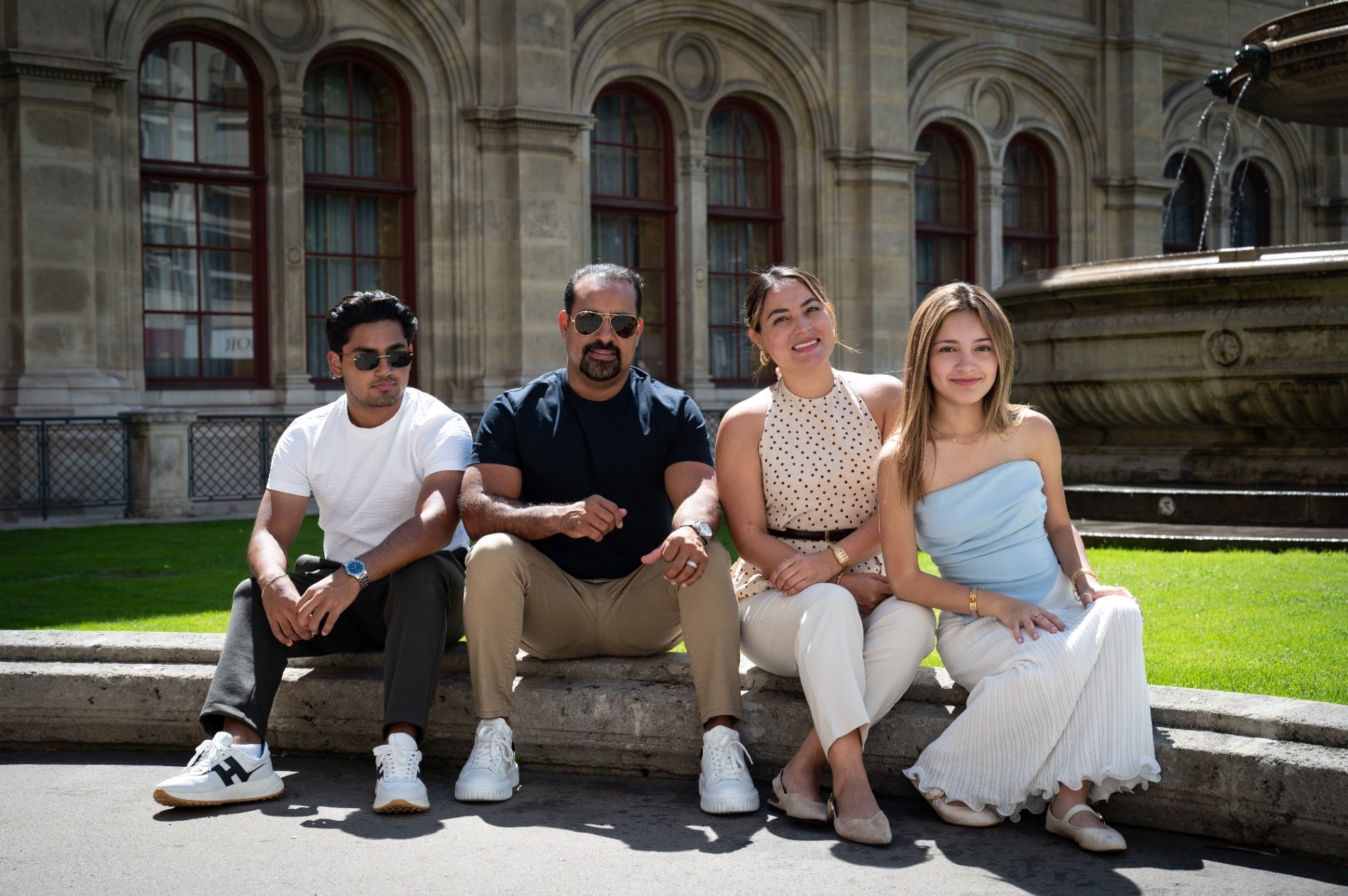
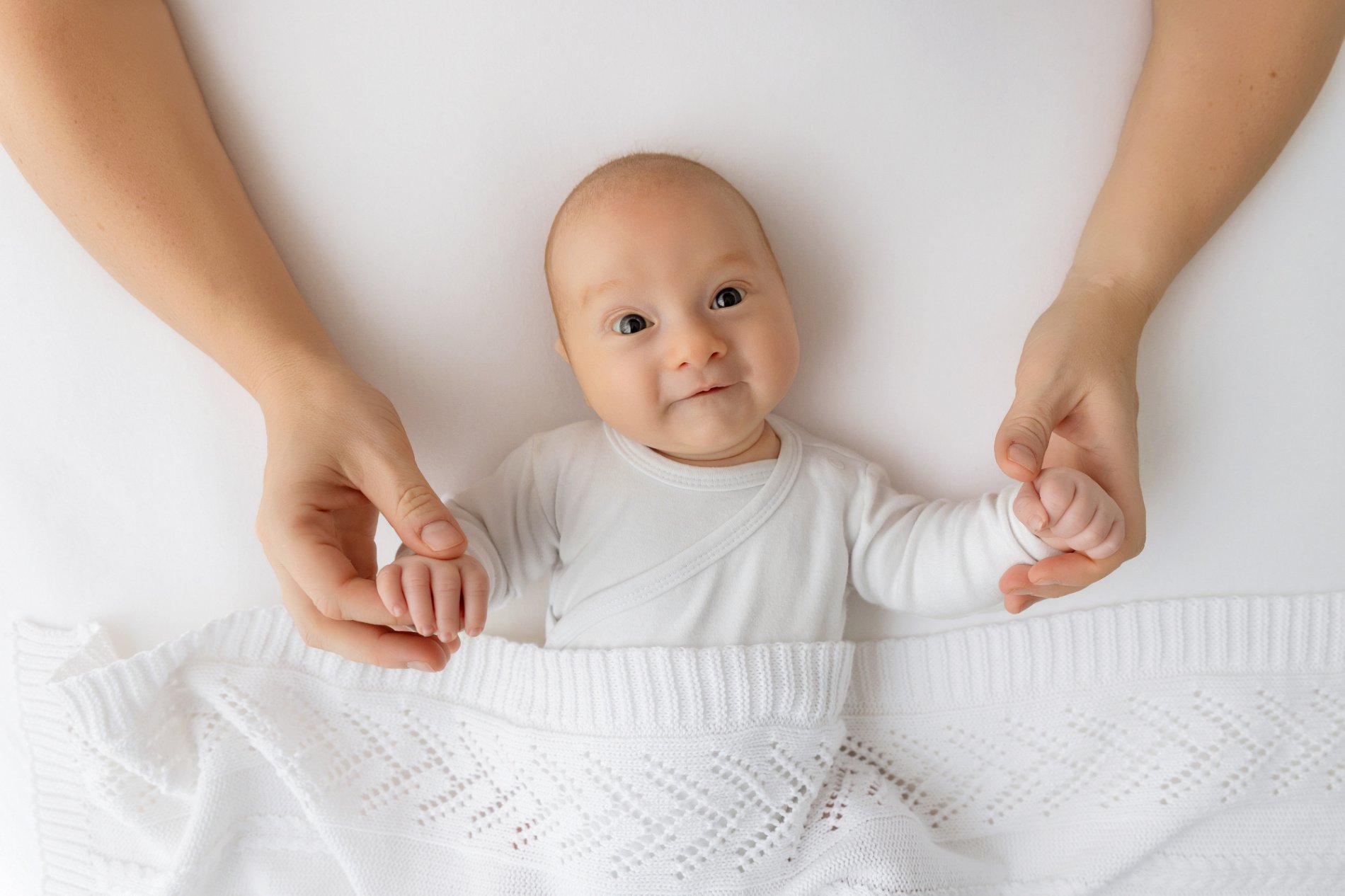
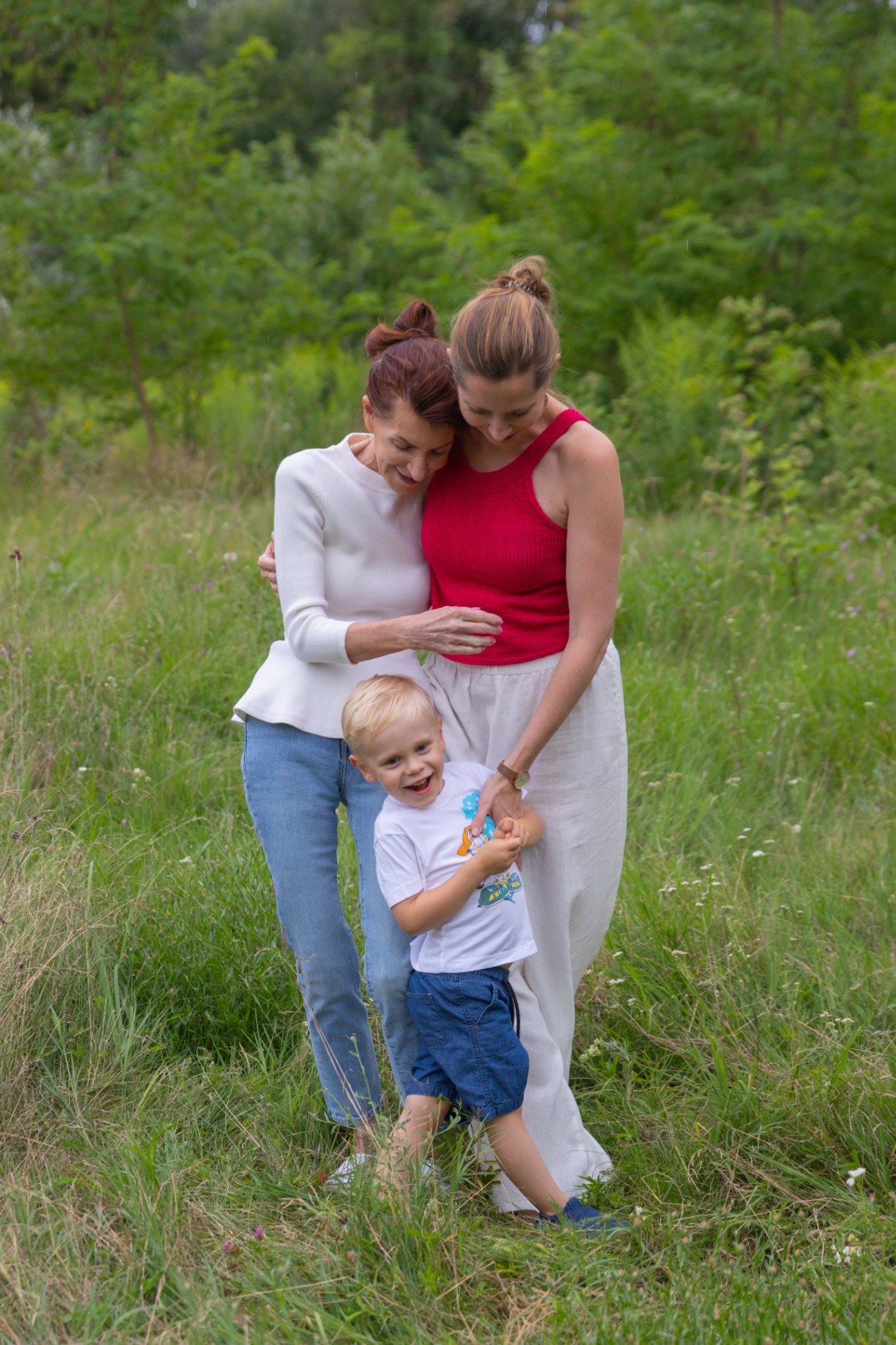
The light: the whole day happens between four and five
Plan around one moment. The sun goes down a few minutes after four, and civil twilight — the usable blue in the sky — runs until about twenty to five. Get to your location by half past three, work the last daylight on the stalls and the architecture, then let the sky go blue and the lights take over. After about five the sky is black, the lights blow out against it, and everything looks like every other photograph of a Christmas market.
Daylight before that is not wasted, but it is low and grey more often than it is bright. A useful rule: the classic architecture — the palaces, the Ring, the gardens — wants the flat daylight between ten and three, and the markets want the last forty minutes and the half hour after. A two-hour session can hold both. The rest of the year in Vienna is a different city entirely.
Rathausplatz: the biggest market and how to use it
The Christkindlmarkt in front of the neo-Gothic city hall is the one everyone means. In 2026 it runs from 13 November to 26 December, daily from ten in the morning until ten at night, closing earlier on 24 December — dates and hours shift every year, so check the current ones. It is also the busiest: from about five in the afternoon onwards, and on any weekend at all, the aisles between the stalls move at shuffle pace.
Work it from the edges. The Rathauspark on either side of the square is strung with lights and illuminated figures in the trees and is far emptier than the aisles, with the lit façade of the Rathaus as a backdrop through the branches. One of the park's old plane trees is hung with red heart-shaped lanterns every year — the Herzerlbaum, a well-known meeting point and the most photographed single tree in the city in December, so it is at its busiest after dark. The far side of the Ring, opposite the Burgtheater, gives you the whole square in one frame with the tram lines in the foreground. The market itself is best used tight — two people at a stall, steam off a cup — rather than wide.
Schönbrunn: the market that outlasts Christmas
The market in the forecourt of Schönbrunn Palace is the calmer of the two big ones and, crucially, it stays open past the New Year: in 2026 it runs from 6 November to 6 January, which makes it the only option if you are in Vienna between Christmas and Epiphany. Check the dates, they change.
The other advantage is the estate around it. Behind the palace, the park is free and opens early, so a session can start with the Gloriette terrace and the Schönbrunn parterre in the morning — bare beds, fountains off, the geometry stronger than in summer — and come back to the forecourt for the lights in the afternoon. The U4 stops at Schönbrunn and Hietzing. The estate sets its own rules on tripods, drones and anything that looks like a production, and they change, so check them before the day.
Spittelberg and the small markets
If you want lights without a crowd scene, go small. Spittelberg's cobbled lanes — Spittelberggasse, Gutenberggasse and Schrankgasse, three narrow Biedermeier streets two minutes behind the MuseumsQuartier — are strung with lights and lined with stalls from mid-November, and the lanes are so narrow that the whole frame is light and pastel façade. Come at dusk: the lights are on and the evening crowd has not arrived.
The Altwiener Christkindlmarkt on the Freyung is the smallest and most old-fashioned of the central ones; Am Hof, one square away, is bigger and busier. Art Advent on Karlsplatz sells handmade work only and keeps shorter hours — around midday to eight — with the dome of the Karlskirche behind it and the reflecting pool in front. Maria-Theresien-Platz sits between the two great museums and photographs well from the museum steps. The line-up of markets and their dates change from year to year: check what is actually running the week you travel.
December Vienna without a market
Not every winter frame needs a stall in it. The Belvedere reflecting pool is the city's cleanest palace shot and the gardens are free; winter is genuinely its season, because snow turns the clipped hedges into black graphic lines and January is the likeliest month for it. The Kahlenberg terrace above the Grinzing vineyards has the clearest air of the year in winter and the city lights coming on below during the blue hour. And a window table in an old coffee house is an interior frame no other capital offers, on the afternoon when it simply will not stop raining.
What clients say about this kind of shoot
We first met back in the spring, and getting to know each other was completely easy and went really well! We felt comfortable with Julia right away, so we confirmed that she would photograph our wedding. On the wedding day itself, too, everything was just as it should be. We can't recommend Julia enough!
— Hinum Robert und Angela on Julia H.
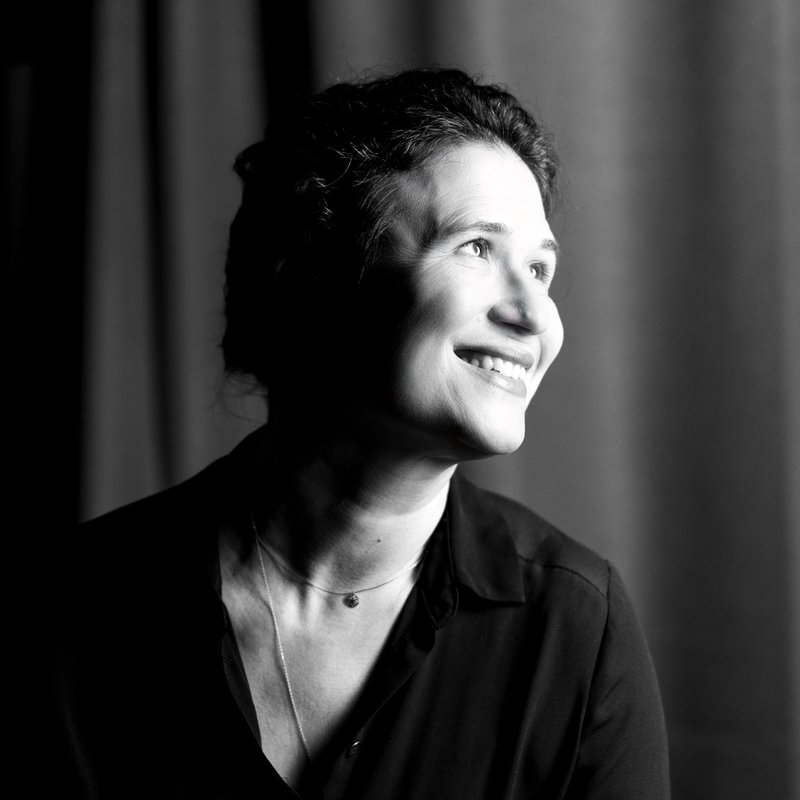
She took great craft photos for my personal brand, easygoing and with a really good eye for detail!
— Astrid K. on Ursula S.
I had such a great experience working with Nik! He is talented, and has a real eye for capturing beautiful, natural moments. He creates a relaxed and comfortable atmosphere during the shoot, which makes the whole experience feel effortless and enjoyable. I’m genuinely so happy with the results and would absolutely recommend Nik to anyone looking for a photographer who is not only skilled behind the camera, but also a pleasure to work with. Thank you for the beautiful memories! 🤍📸
— Az Y. on Nikita P.
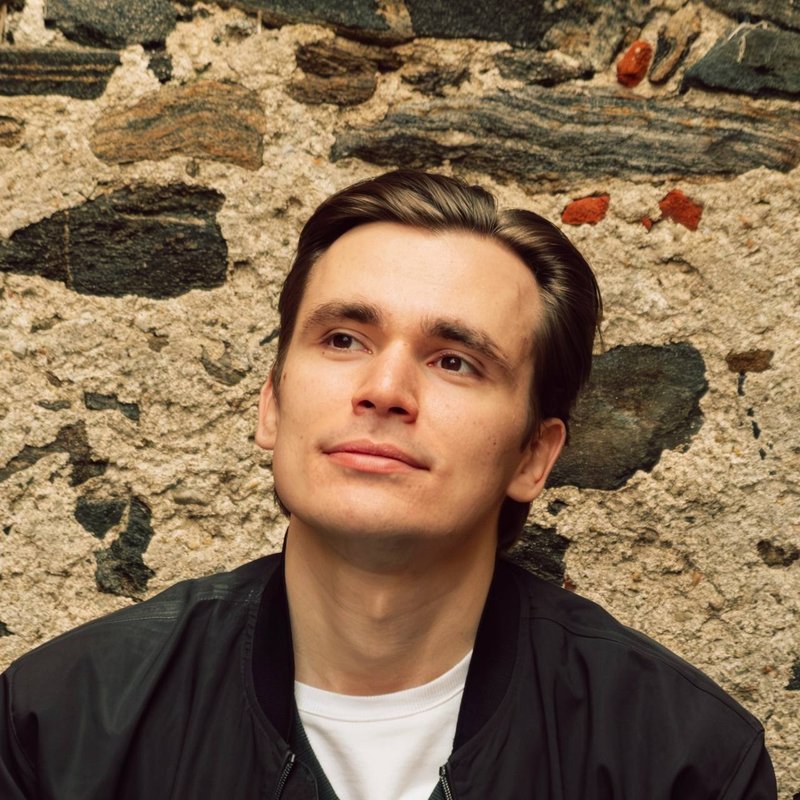
I can highly recommend Nikita as a photographer. I had a really great experience with the photoshoot and I’m very happy with how the photos turned out. He has a talent for finding flattering angles and capturing great shots! I especially appreciate that he knows how to guide you during the shoot - telling you how to pose, where to look, or what to do, which makes things much easier when you’re not used to being in front of a camera much. I would definitely recommend him for individual portraits, lifestyle photography, couples, or family sessions. He is easy to be around, creative, and very attentive to what works best for each person.
— Milya I. on Nikita P.
Attentive, responsible, and full of great ideas, with excellent execution. Strongly recommend!!!!
— Alsu G. on Nikita P.
I highly recommend having a photo shoot with Nikita. He did an amazing job with our couple pictures. The atmosphere during the shooting was amazing, he had an idea about the spot and poses. He is a really great photographer for someone who is shy about posing and not really expressive with having pictures taken. Thank you! Cannot wait for our next shooting!
— Anna K. on Nikita P.
Crowds, and what to check before you go
Weekday afternoons are a different city from weekends. Monday to Thursday before about four is the quietest the central markets get; from Friday evening to Sunday night, Rathausplatz and Am Hof are shoulder to shoulder. School holidays and the days right before Christmas are the peak.
Everything here is public space, and a couple or a family with a photographer walking through a market is unremarkable. What needs asking is anything that looks like a production — lights, a tripod set up in an aisle, a group blocking a stall. The markets are run by their operators, the stalls are businesses, and the palace estates have their own rules; all of it changes, so check before you go rather than on the day.
What to wear
Vienna in December is usually damp cold rather than deep cold, and often below freezing at night. Dress for standing still outdoors for an hour. Wool coats in saturated colours photograph far better than technical outerwear — camel, burgundy, forest green, charcoal — and market lights are warm, so warm tones sit naturally in them. Avoid white, which the lights turn orange, and avoid anything with a hood that swallows a face. Bring gloves you can take off quickly and shoes that survive wet cobbles: Spittelberg and the inner-city lanes are uneven and often slick.
After the markets: New Year and the ice
Most central markets close on 26 December, and the city changes character twice more. On 31 December the Silvesterpfad turns the inner city into an open-air party from the afternoon into the small hours, with stages from Rathausplatz through the old town — the route and programme change every year, and for a photoshoot it is the one evening to stay out of the centre. Then in late January the Rathausplatz becomes the Wiener Eistraum, a very large ice rink that runs into early March; in 2027 it is scheduled for 22 January to 7 March. It is the best winter frame in the city once the markets are gone.
Elsewhere in Austria
Vienna is not the only option. Salzburg fills Kapitelplatz and Domplatz under the cathedral with its Christkindlmarkt from late November into the New Year — in 2026 from 19 November to 1 January — and the old town under snow with the fortress above it is the postcard. Innsbruck has markets in the old town and along Maria-Theresien-Straße until the New Year, with the Nordkette white behind them. Graz lights Hauptplatz, Franziskanerplatz and the Schlossberg from late November. And St. Wolfgang puts an Advent market on the lakeshore in December, in a village that winter otherwise empties.
Planning a December photoshoot in Vienna
Book the slot, not the day. Sixty minutes from half past three covers one market and the blue hour, which is the single most efficient hour of the Viennese year. Two hours lets you start with a palace or a park in daylight and finish with the lights, and that is the shape we would suggest for a family session — children last much better when the cold part comes at the end and involves a cup of something.
December fills early. Advent weekends are the busiest fortnight in the city's calendar and photographers are booked well ahead, so plan further out than you would for summer. A family or couples session starts at €429 all-inclusive for sixty minutes, €509 for two hours and €749 for three. You can browse photographers in Vienna and book online, and how it works explains the rest.
Want professional photos in Vienna?
Browse portfolios, compare packages, and book a verified local photographer in minutes.