Couples Photoshoot in Vienna: palaces, coffee houses and the Danube
A couples shoot in Vienna is a route, not a location. The city is flat, compact and unusually well connected, so the difference between a good session and a great one is almost never which palace you picked — it is whether the places you picked are a ten-minute walk or one tram stop apart, and whether you reached the first one before the tour groups did. Here are three routes that work, with the walks, the transport and the hours that make them work.
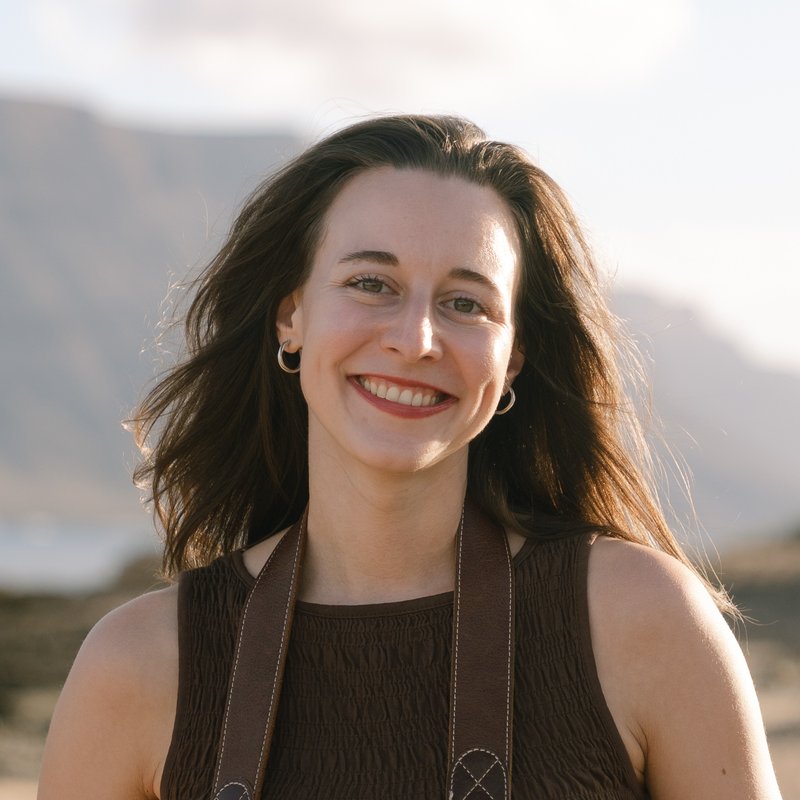
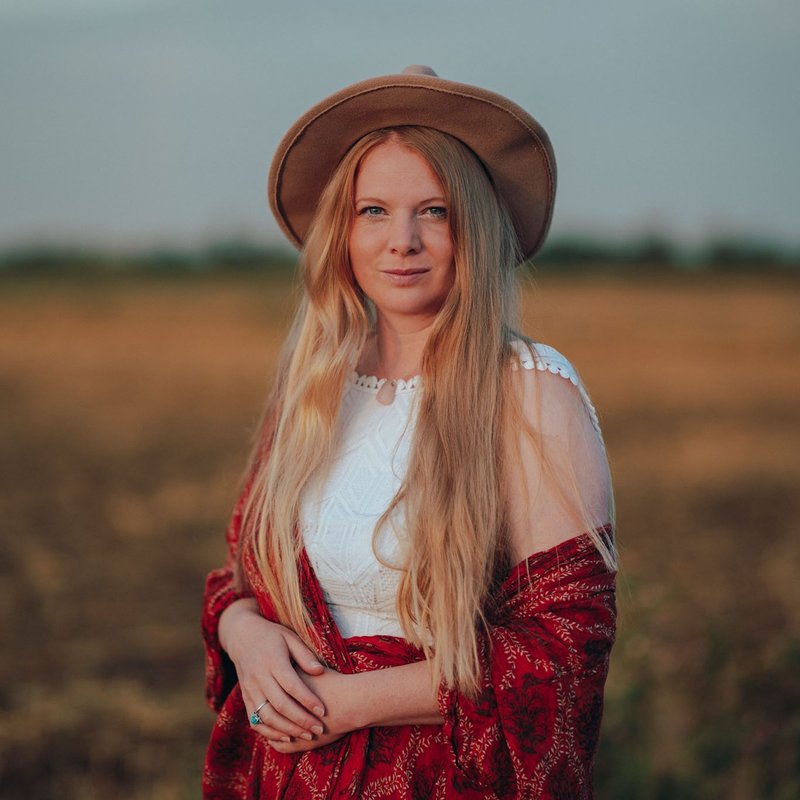
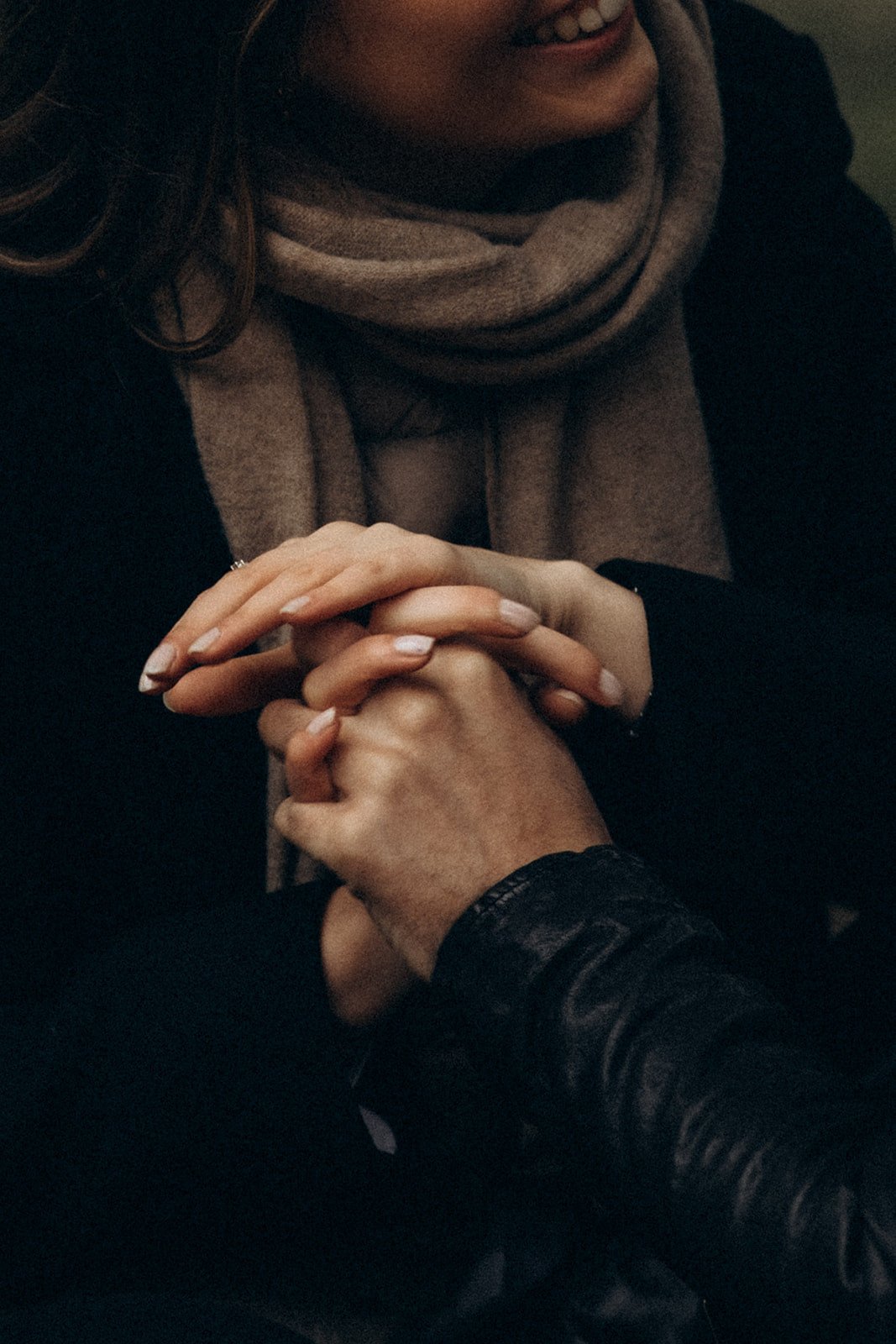
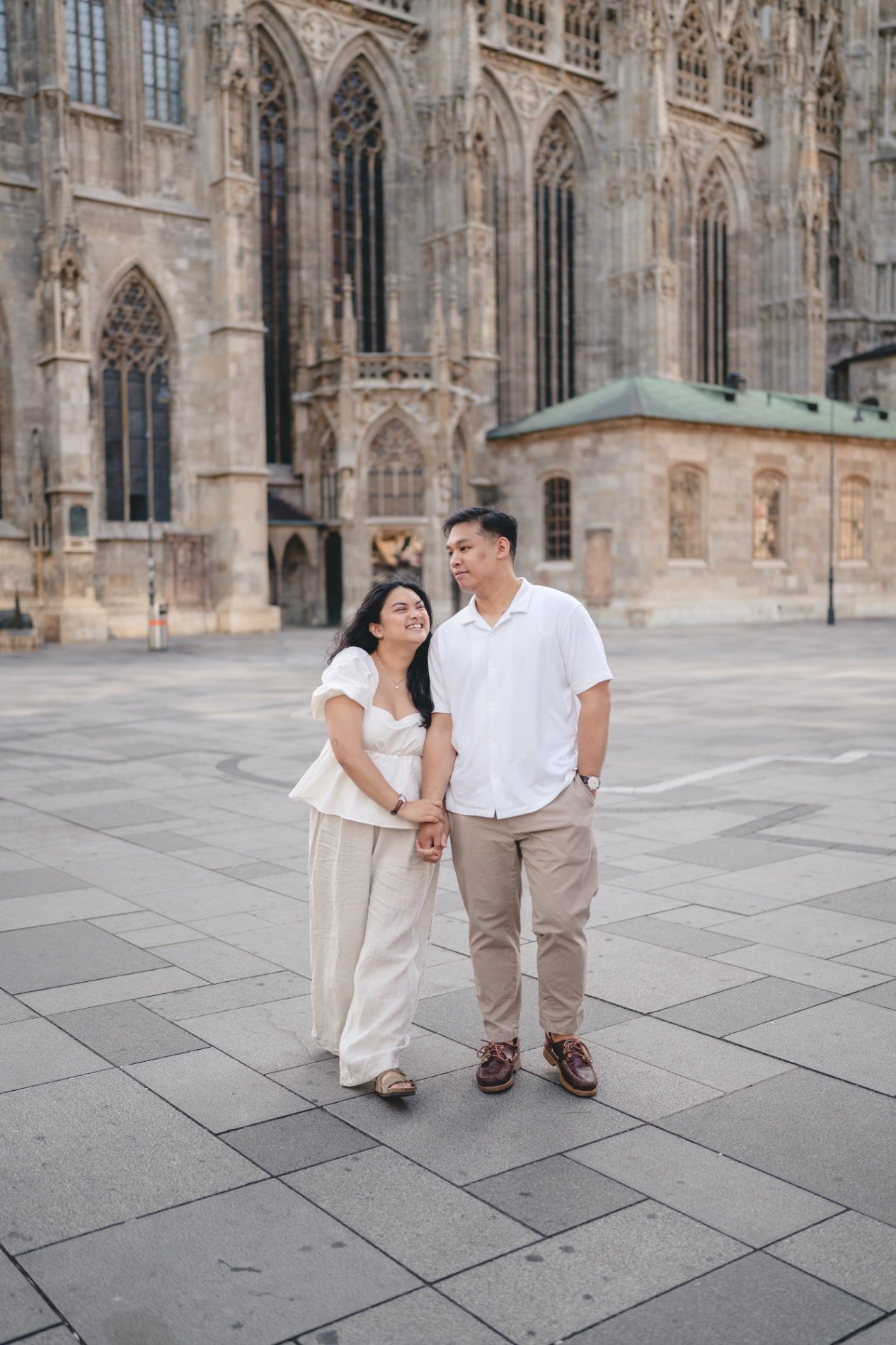
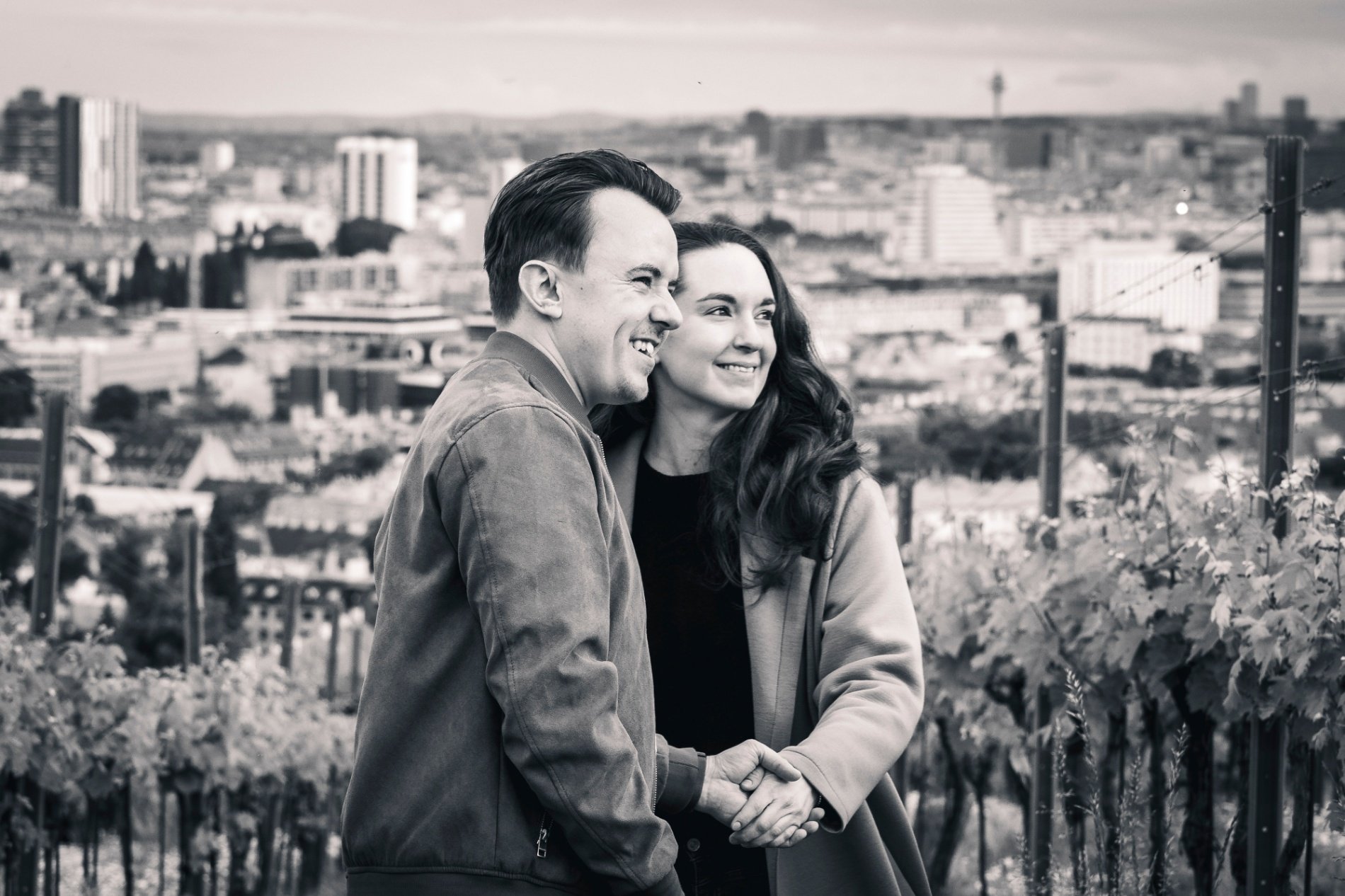
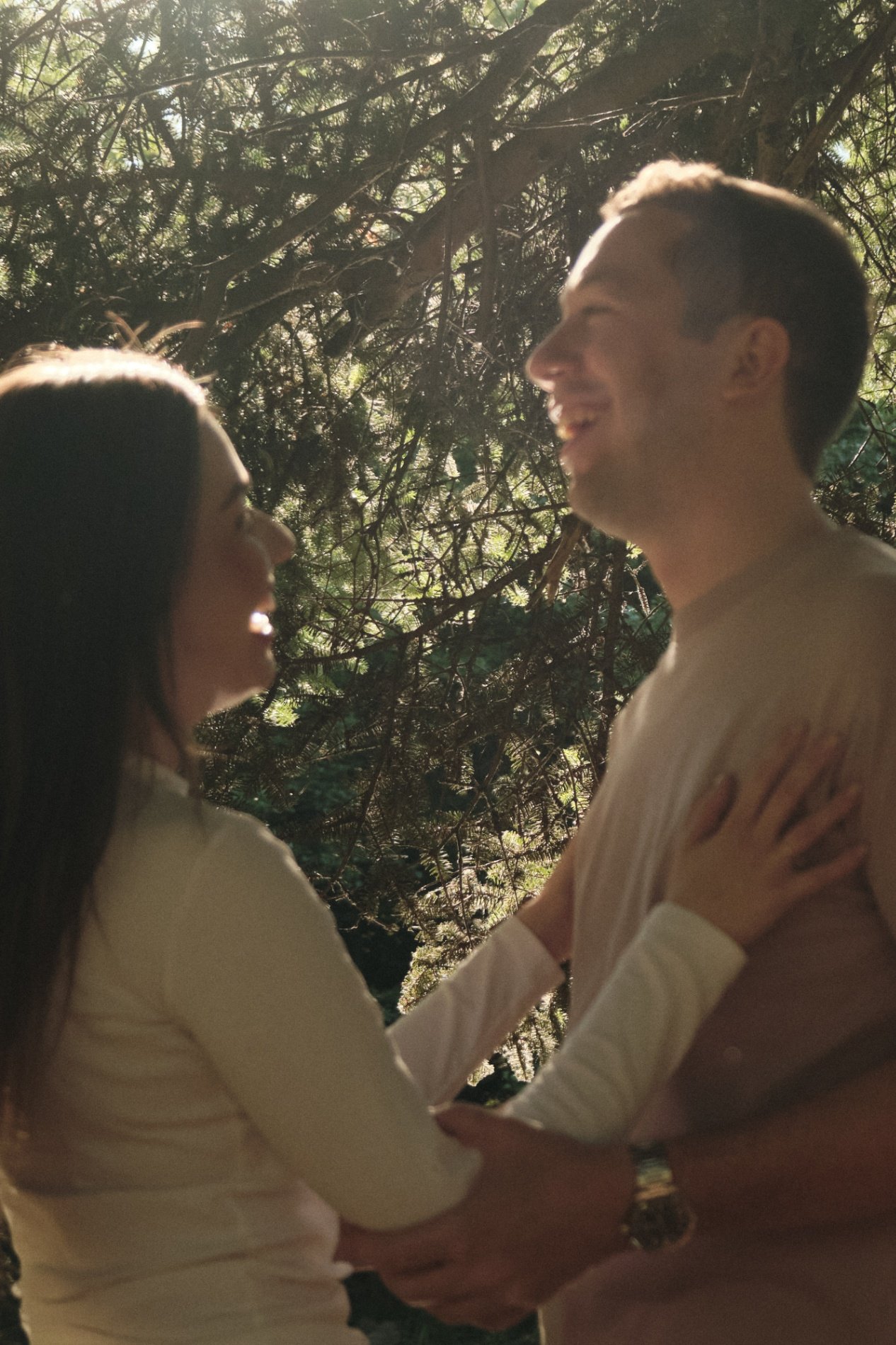
Real shots from Vienna
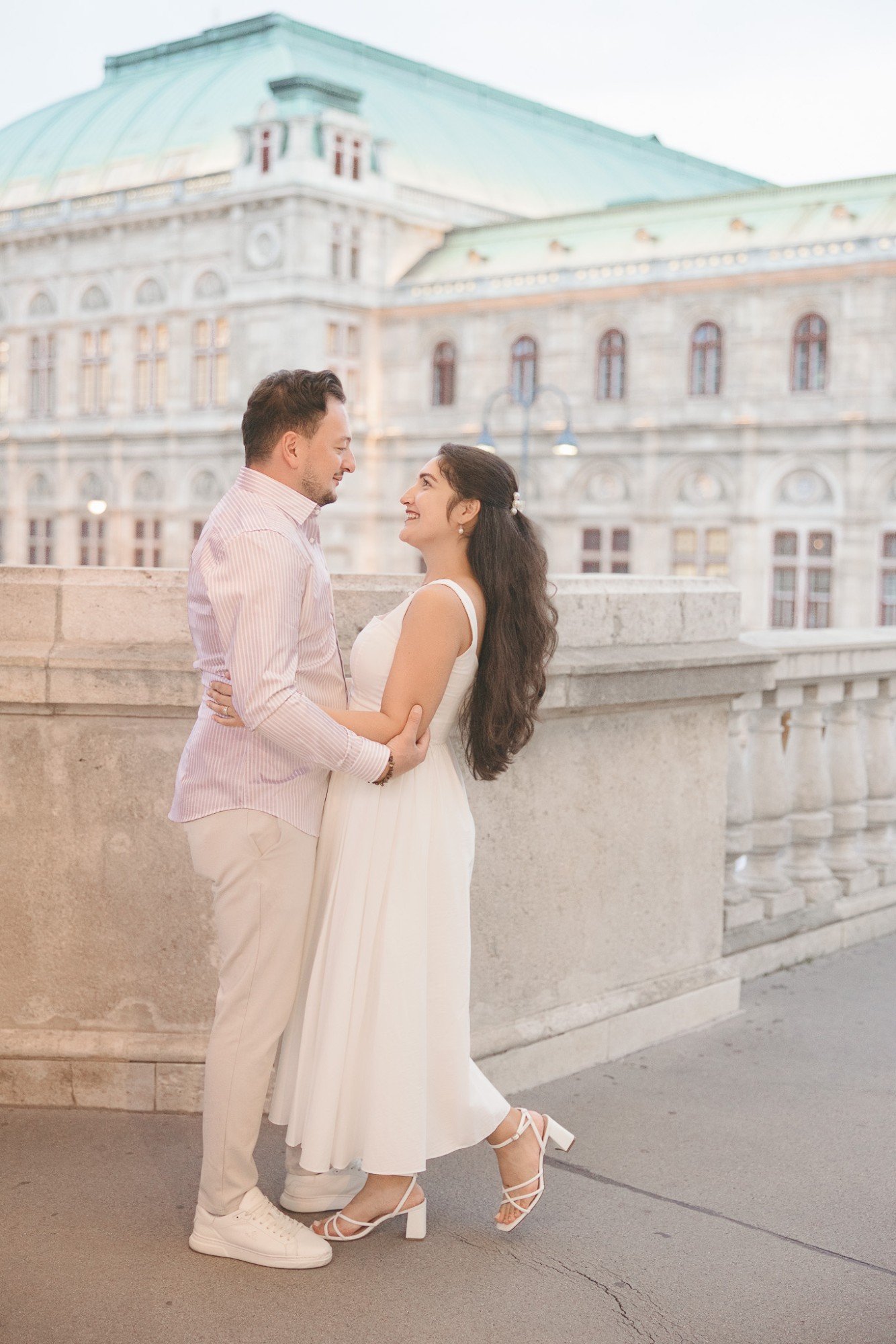
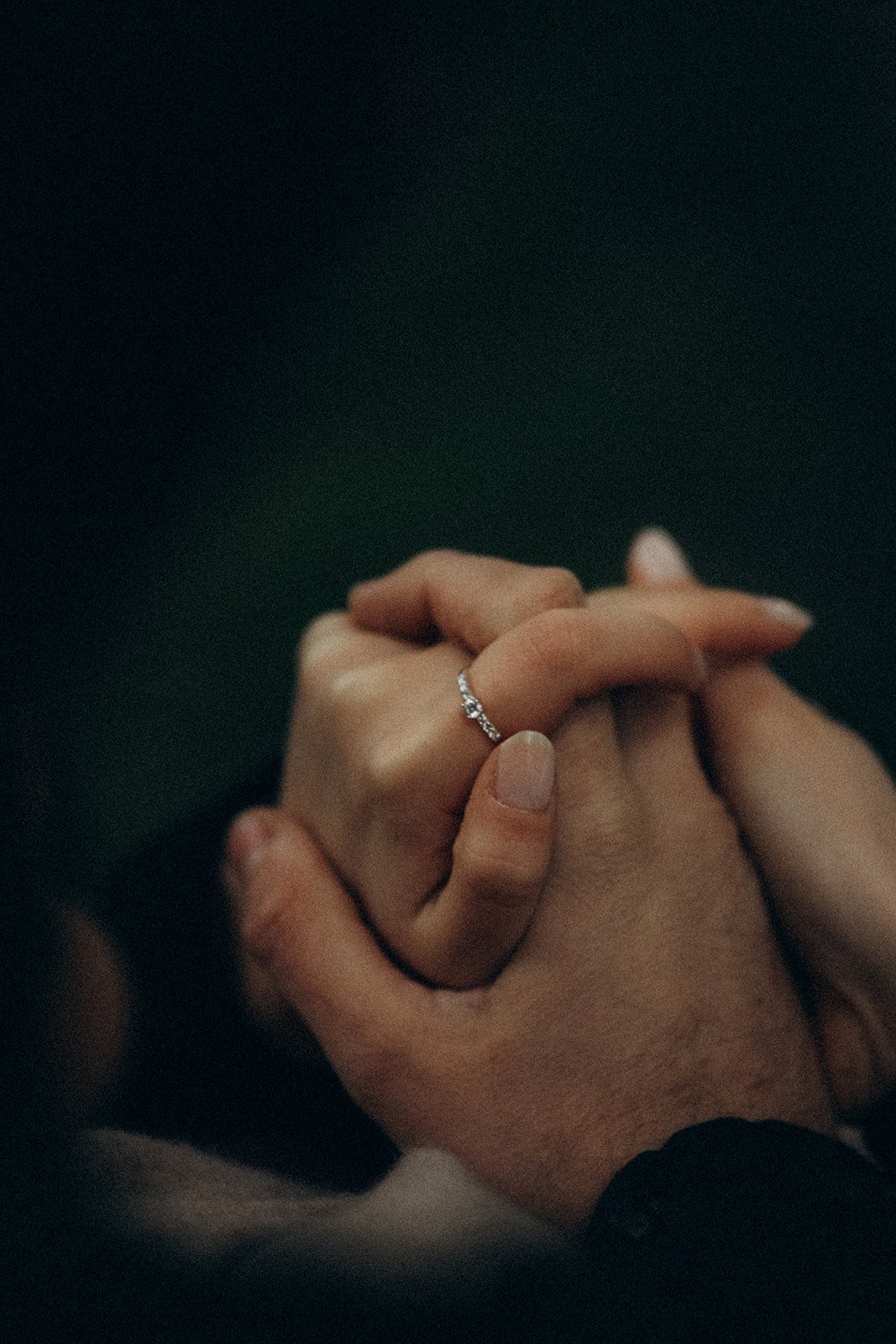
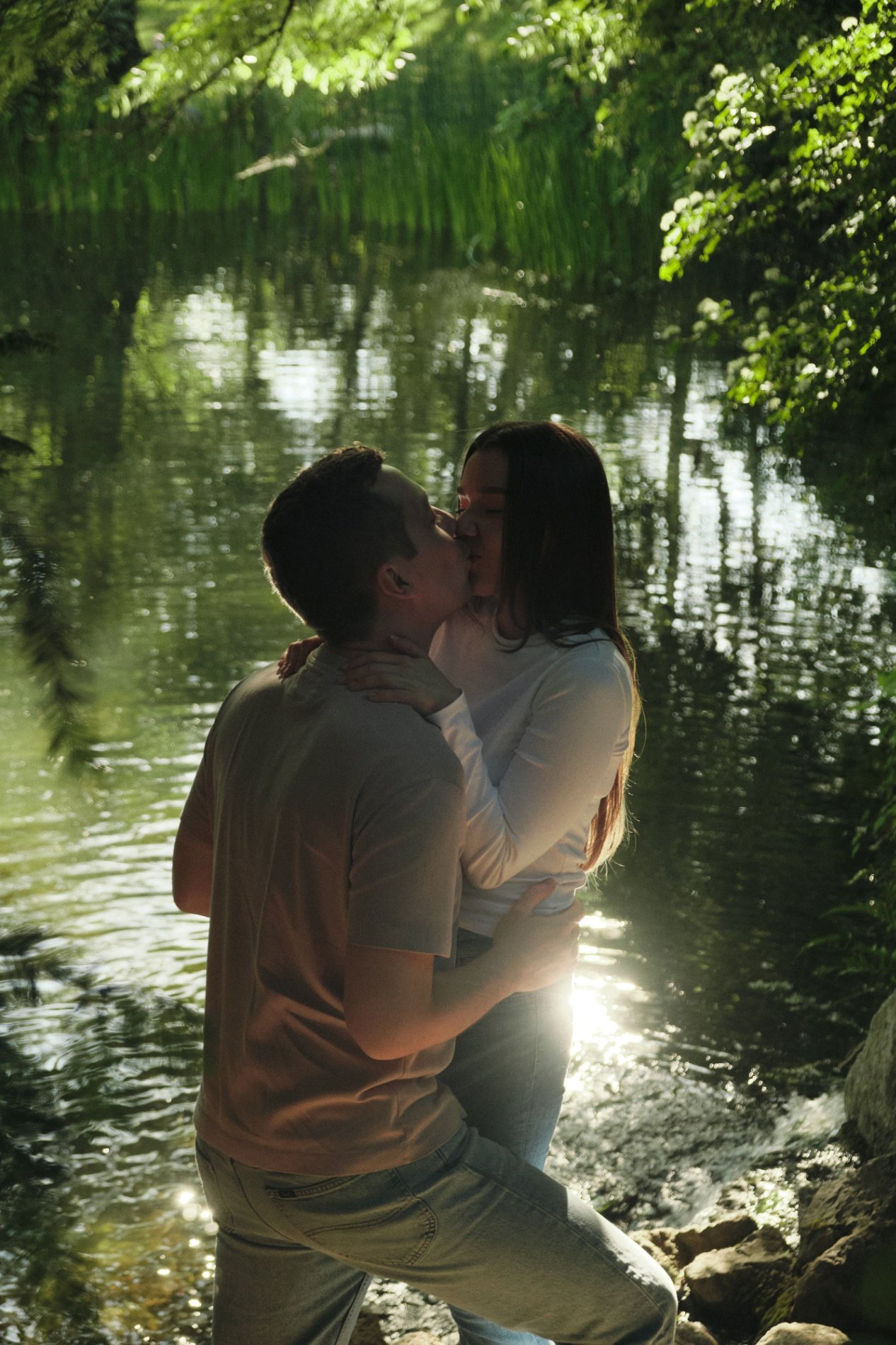
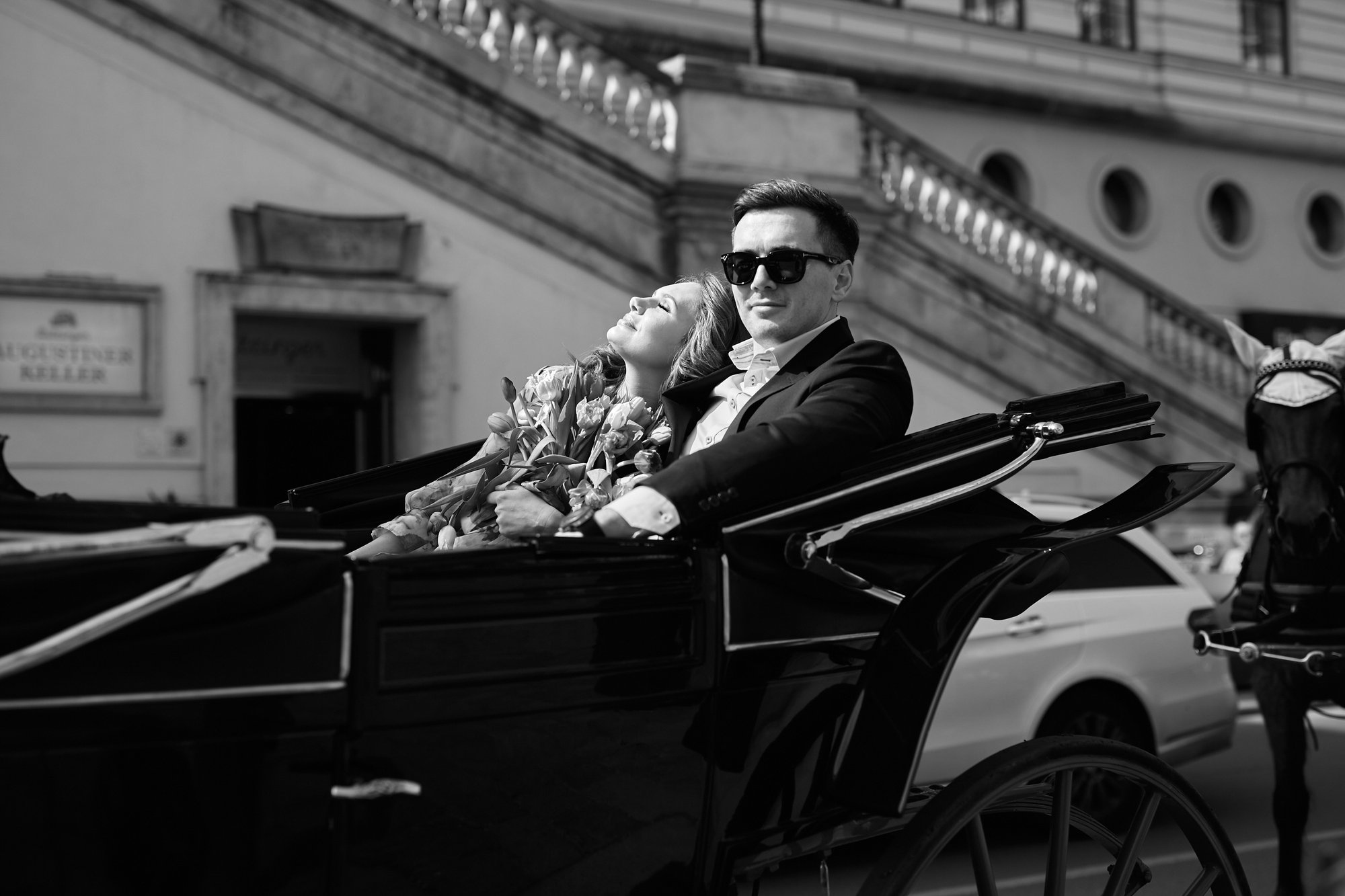
Route 1: the Belvedere to the Stadtpark, first thing in the morning
This is the strongest ninety minutes in Vienna, and it costs nothing to walk.
Start at the Upper Belvedere. The gardens open early — from about half past six in summer and an hour or so later in winter — and they are free; the museums inside only open at ten. On the south side, between the palace and the gate, the long reflecting pool doubles the whole façade on a still morning. That reflection is entirely a question of wind, so check the forecast the night before; there is no technique that fixes a rippled pool. Before nine the paths belong to joggers, and from ten the groups arrive at the south pool.
Then turn round. The baroque parterre on the north side steps down through cascades and clipped hedges to the Lower Belvedere with St Stephen's spire and the city behind it — the view Canaletto painted, and the one most visitors walk past on the way to the museum entrance. That garden is in shade in the morning and warms through the afternoon, so it is also the answer if you can only shoot late.
Leave by the top gate and take tram D from the Schloss Belvedere stop, which runs every five to ten minutes towards Schwarzenbergplatz and the Opera, or walk the same stretch in about fifteen minutes. From Schwarzenbergplatz it is ten minutes on foot to the Stadtpark, which has its own U4 station. The park gives three different backgrounds within two hundred metres: the Jugendstil stone portal where the Wien river runs through it, all carved balustrades and pavilions; the gilded Johann Strauss monument behind the Kursalon, best early before the queue for it forms; and open shade under old trees. Ninety minutes covers all of that comfortably; two hours lets you change clothes halfway.
Route 2: Schönbrunn at opening
Schönbrunn's park gates open at 6:30 every day of the year, and the first hour is the entire point. Closing time moves with the season, from mid-afternoon in the depths of winter to late evening in high summer, so check the current times before you plan an evening there.
Work from the bottom up. Start at the Neptune fountain, where the palace fills the frame across the great parterre — a quarter of a mile of gravel, hedges and beds with the Gloriette on its hill closing the view. Then climb the zigzag paths, about ten minutes, with a step-free route on the eastern side, and shoot back down from the Gloriette's colonnade with the parterre, the palace and the city stacked in three planes. The light at that hour comes low from the east and turns the stone honey-coloured. By nine the gravel walks carry the first groups; by eleven there are a hundred people in the frame.
The park and the Gloriette hill are free. The rooftop platform, the palace rooms and the maze are ticketed, and the estate sets its own rules on tripods, drones and anything that looks like a production — those change, so check them before the day rather than at the gate. U4 to Schönbrunn or Hietzing puts you at either end of the park.
In winter the beds are bare and the fountains are off, and the geometry is stronger for it. Snow on the parterre is the rarest and best version of this frame; it usually comes in January, and it is never guaranteed.
Route 3: the Hofburg and Spittelberg after dark
Vienna's imperial centre is lit at night and, once the restaurants have filled, surprisingly empty. Michaelerplatz under its dome, Josefsplatz and the Heldenplatz sit within five minutes of each other around the Hofburg, all public ground, all floodlit. U3 Herrengasse is the closest station.
From the Hofburg it is about ten minutes on foot, past the Volkstheater, to Spittelberg: three cobbled Biedermeier lanes — Spittelberggasse, Gutenberggasse, Schrankgasse — of two-storey houses in ochre, rose and pale green with iron lanterns and courtyard passages. The lanes are narrow enough that direct sun rarely reaches the ground, so they work in daylight too; weekday mornings before eleven are empty. From mid-November lights are strung across them for the Christmas market, and the moment to be there is dusk, when the lights are on and the evening crowd has not yet arrived.
Timing this route is easy in winter and hard in summer. In December the blue hour in Vienna falls between roughly 16:05 and 16:45, so a night session is really a late-afternoon one and everybody is home for dinner. In late June the same light does not arrive until nearly ten.
What clients say about this kind of shoot
We are overjoyed with the photos from our wedding. Ian and Kiran not only have a fantastic eye for the special moments, they also bring a wonderfully relaxed and caring manner. Our guests were thrilled too! Thank you so much for the priceless memories and for your amazing dedication. We couldn't have wished for a better photographer ♥️
— Behiye O. on Ian P.
Very professional, likeable and easy to work with. The photos turned out beautifully and capture our wedding day in a very special way. We're very happy and can definitely recommend him!
— Tony P. on Ian P.
We're so happy we chose you! From the very first contact, everything was totally hassle-free and pleasant. Both at the pre-wedding shoot and on the wedding day we felt really comfortable with you, and everything was really relaxed and professional. The photos turned out really great and we're absolutely thrilled with the result! You captured the most beautiful moments of our day perfectly and gave us truly lovely memories. Thank you so much for your amazing work! We'd book you again any time and can't recommend you enough! ❤️
— Chelsea B. on Ian P.
Super friendly, creative, dedicated photographers! We clicked right away, they were really accommodating and delivered on time! Absolutely amazing photos that we always love looking at 😍
— Rechusmile on Ian P.
For our wedding, nothing mattered more to us than capturing the special moments and emotions forever. So naturally we had pretty high expectations of our photographers and videographers – and finding them was probably one of the biggest strokes of luck in our wedding. ❤️ On the day itself, we already felt incredibly comfortable with the two of them. They're super friendly, warm-hearted and at the same time absolutely professional. You can tell right away that they know 100% what they're doing, and they still manage to capture the moments completely naturally, without anything feeling posed. At first we even thought we didn't really need a video and were only looking for a photography team. Today we can say: we needed this video!!!🥹 The video truly exceeded our expectations. Watching it feels like living our wedding day all over again – with all the emotions, the voices and the little moments that we ourselves didn't even consciously take in on the day. And the photos turned out simply beautiful too, capturing our day exactly the way we want to remember it. We are incredibly grateful that the two of them were by our side at our wedding and captured these special memories for us. We would choose them again any time and recommend them with all our hearts. ❤️
— Marlene on Ian P.
We first met back in the spring, and getting to know each other was completely easy and went really well! We felt comfortable with Julia right away, so we confirmed that she would photograph our wedding. On the wedding day itself, too, everything was just as it should be. We can't recommend Julia enough!
— Hinum Robert und Angela on Julia H.
Coffee houses: how to shoot in one without being asked to leave
The Viennese coffee house has been on Austria's national inventory of intangible cultural heritage since 2011, described there as a place where time and space are consumed but only the coffee appears on the bill. That is exactly the right way to think about photographing in one: you are buying time in someone's dining room.
Ask the head waiter at the door before you set anything up, and accept a no gracefully — a busy Sunday is not the moment. Go on a weekday between the breakfast and lunch rushes. Order properly and sit down; the picture you want is the two of you at a marble table with a melange and a glass of water, not a pose in the aisle. No flash, no lights, no tripod unless they have said yes, and keep other guests out of frame — half the people around you are reading, working or on a date of their own. Window light, Thonet chairs, brass and mirrors do the rest.
The Danube canal, the Prater and Kahlenberg
For something with no palace in it, the Donaukanal at Schwedenplatz (U1 and U4) gives painted walls, steps down to the water and a completely different register; summer evenings there run long and warm. Ten minutes further out, the Prater's big wheel is the frame that says Vienna to anyone who has seen the film.
If you want one view of the whole city, go to the Kahlenberg. The 38A bus runs up from Heiligenstadt on the U4 in about twenty-five minutes, and the public terrace at 484 metres is free and open at all hours. It faces south-east, which is the right way round: in the last hour the city is lit from behind you, and during the blue hour the lights come on across the plain. The better frames are often on the way down — a marked path drops through the Nussberg vineyards to Nussdorf and Grinzing in about forty-five minutes, gold from late September to late October. The vines are private working land, so stay on the paths.
What to wear, and the small things that decide the day
Vienna is a cobbled city in its old quarters and a gravel one in its parks. Heels sink at Schönbrunn and turn an ankle on Spittelberg, so bring the shoes you want in the photographs and something else to walk in. Two looks are plenty for two hours, and one is plenty for one.
For colour, the city gives you imperial yellow-ochre, dark green hedges and grey stone; deep, plain colours read strongly against all three, and busy patterns fight the architecture. In winter the coat is the outfit, and it is worth choosing on that basis. And remember the light: in January the good light in Vienna is over by four in the afternoon, which changes what "an evening shoot" can mean.
Planning a couples photoshoot in Vienna
Sixty minutes realistically covers one place done properly — the Belvedere, or Schönbrunn, or a run of lanes in the old town. A hundred and twenty covers two or three if they are genuinely close together, including the walking between them, which is often where the best frames happen. Three separate districts in one session sounds efficient and produces rushed pictures and a lot of tram time.
Pick the hour before the place. Early morning is the only way to have the famous gardens to yourselves; blue hour is the only way to get the imperial centre lit and quiet. If you are planning a proposal, the same logic applies twice over, because you need the space around you as much as the backdrop.
A local photographer will know which gate is unlocked at seven, which lane is in shade at six and which café will say yes on a Tuesday. You can browse photographers in Vienna and book online, with couples sessions from €429 all-inclusive, and read more about the city on our Vienna destination page.
Want professional photos in Vienna?
Browse portfolios, compare packages, and book a verified local photographer in minutes.