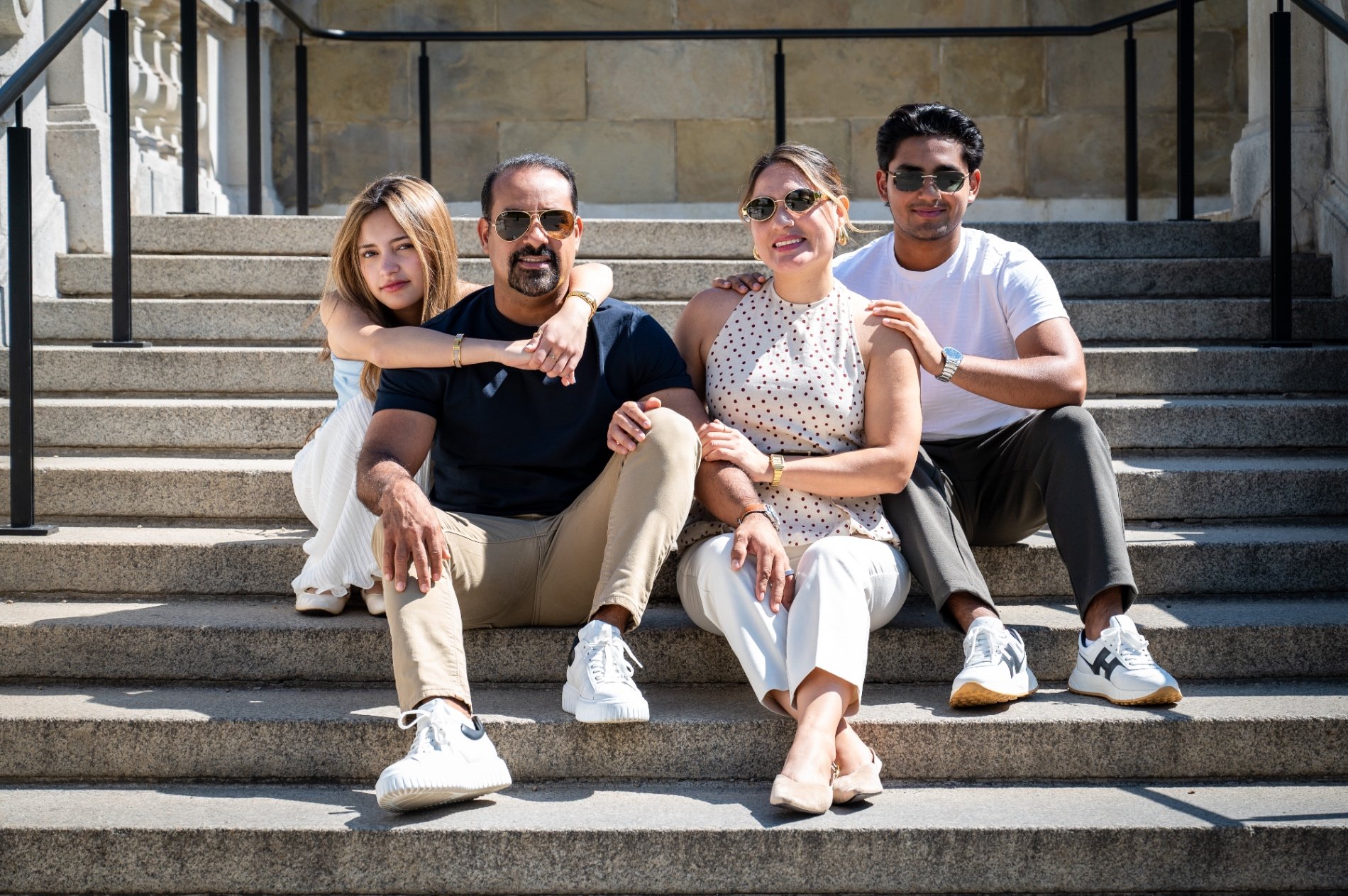
Family Photoshoot in Vienna: Schönbrunn, the Prater and the parks children actually like
With small children the hard part of a photoshoot in Vienna is not the light. It is the twenty minutes between two locations, the missed nap, and the snack that ran out. Vienna happens to be unusually good at solving all three: the great parks are free and open before most families are awake, almost every one of them sits on top of a U-Bahn station, and the city's own habit of stopping for cake at eleven is not a distraction from the session — it is part of it. Pick one park, arrive early or late, plan sixty minutes, and let the children move.
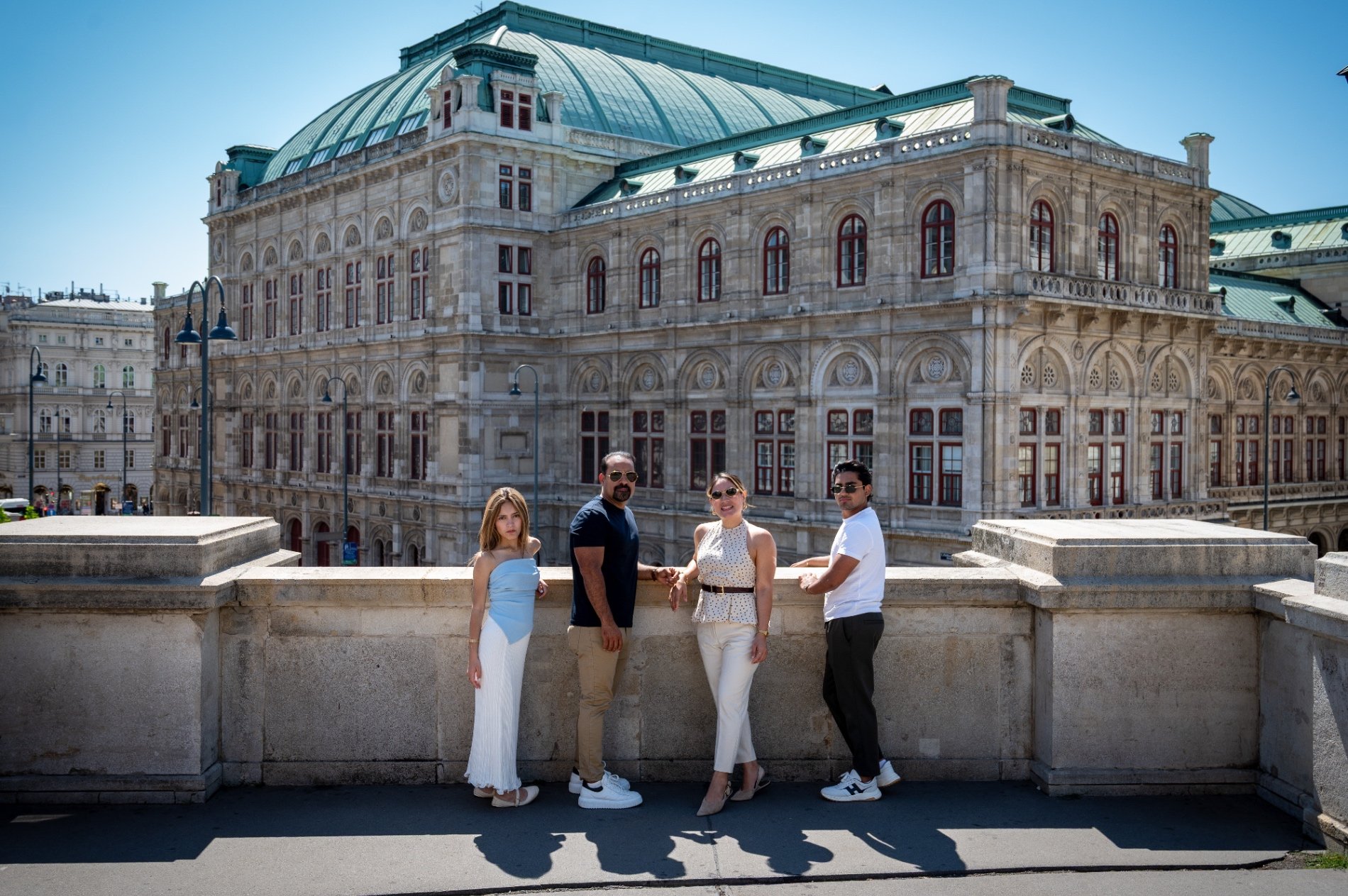
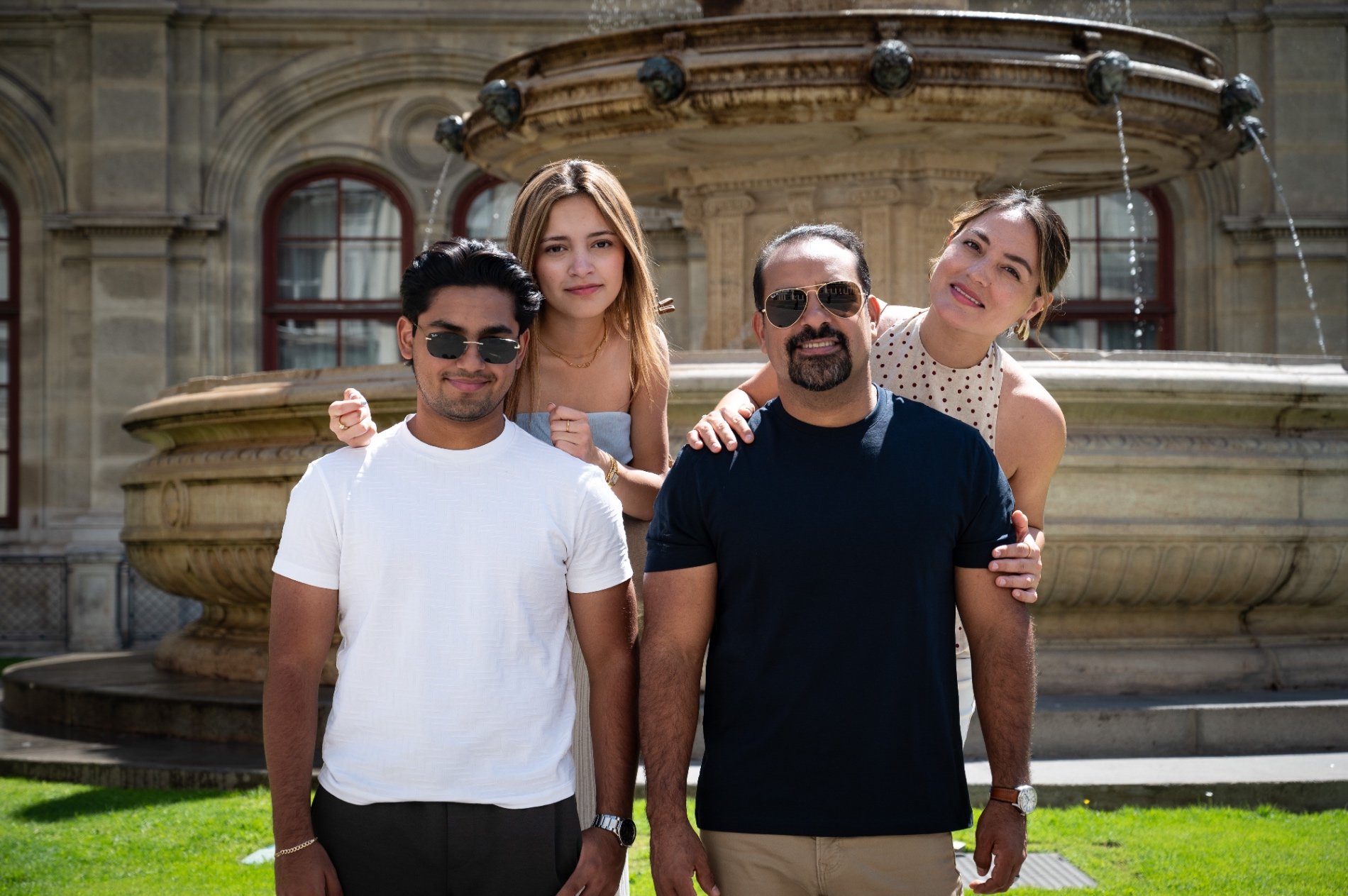
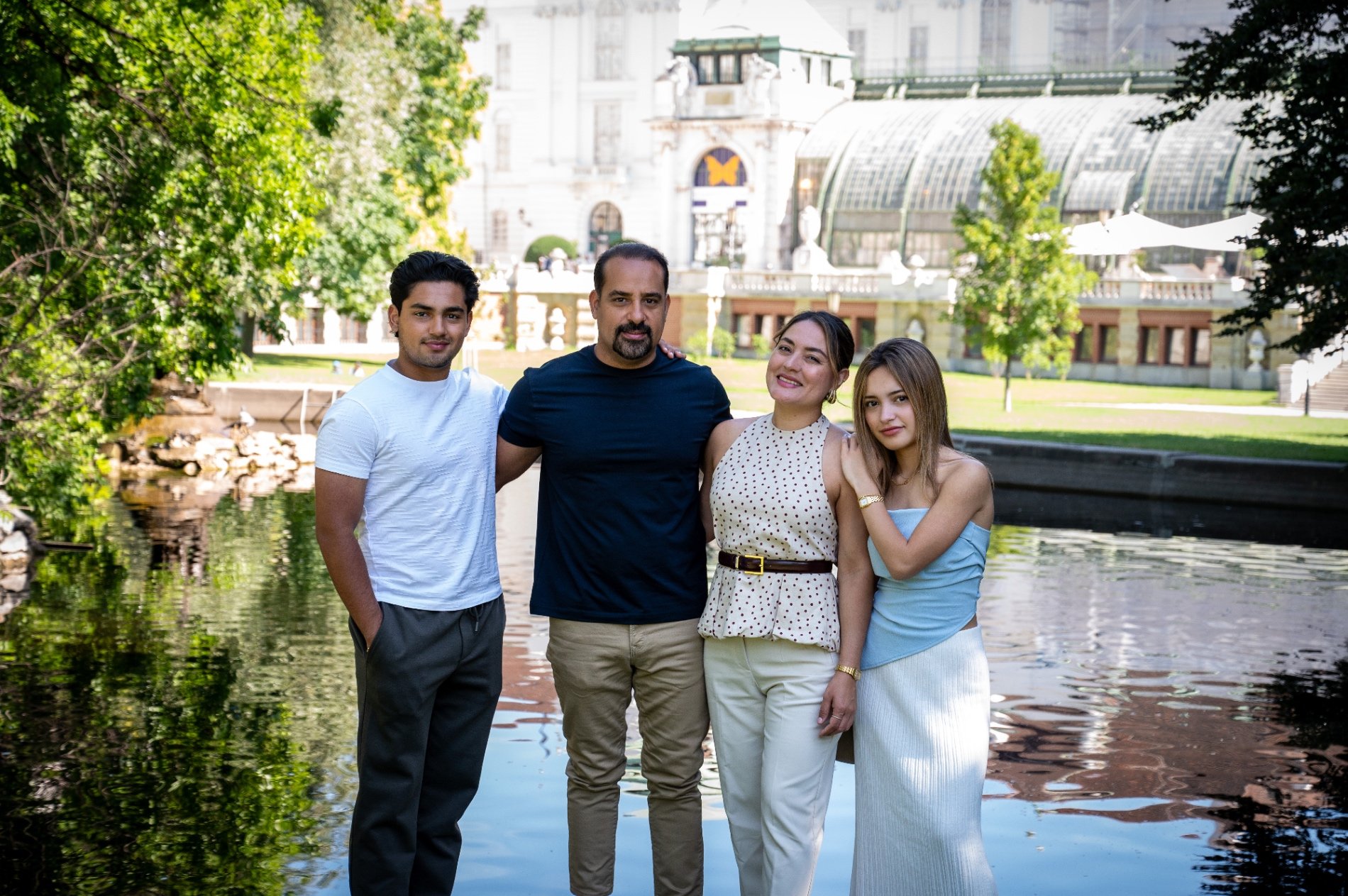
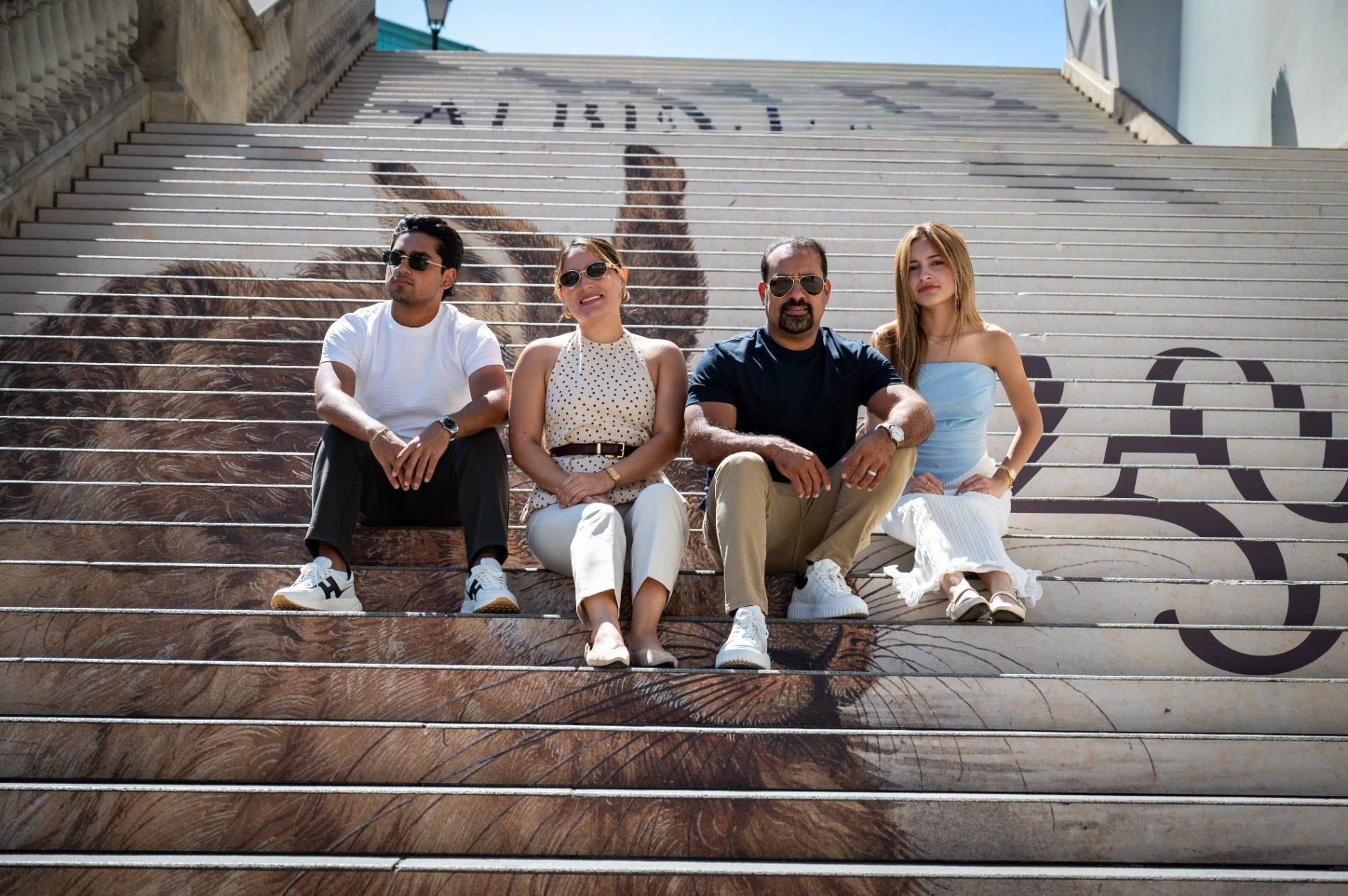
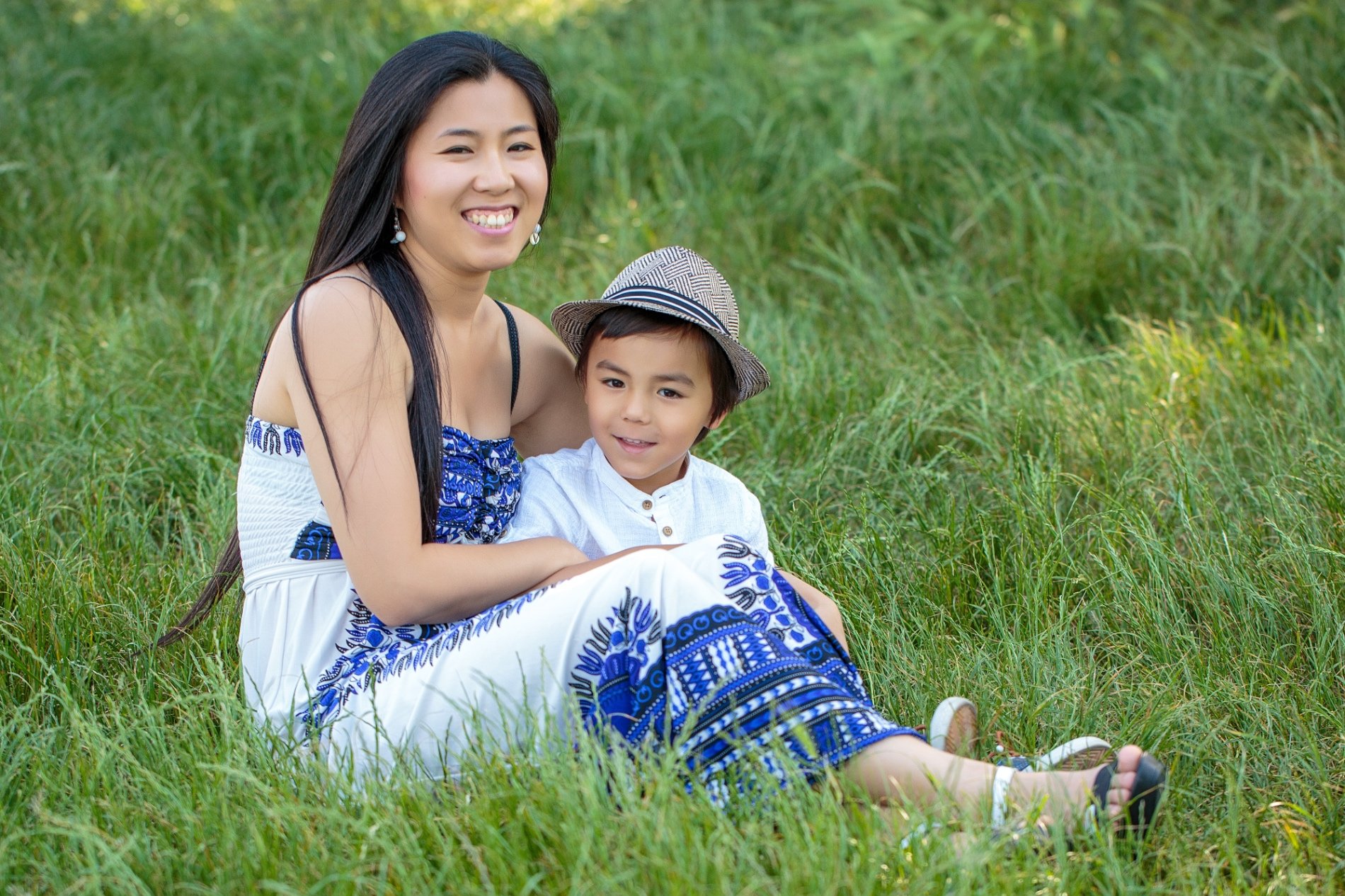
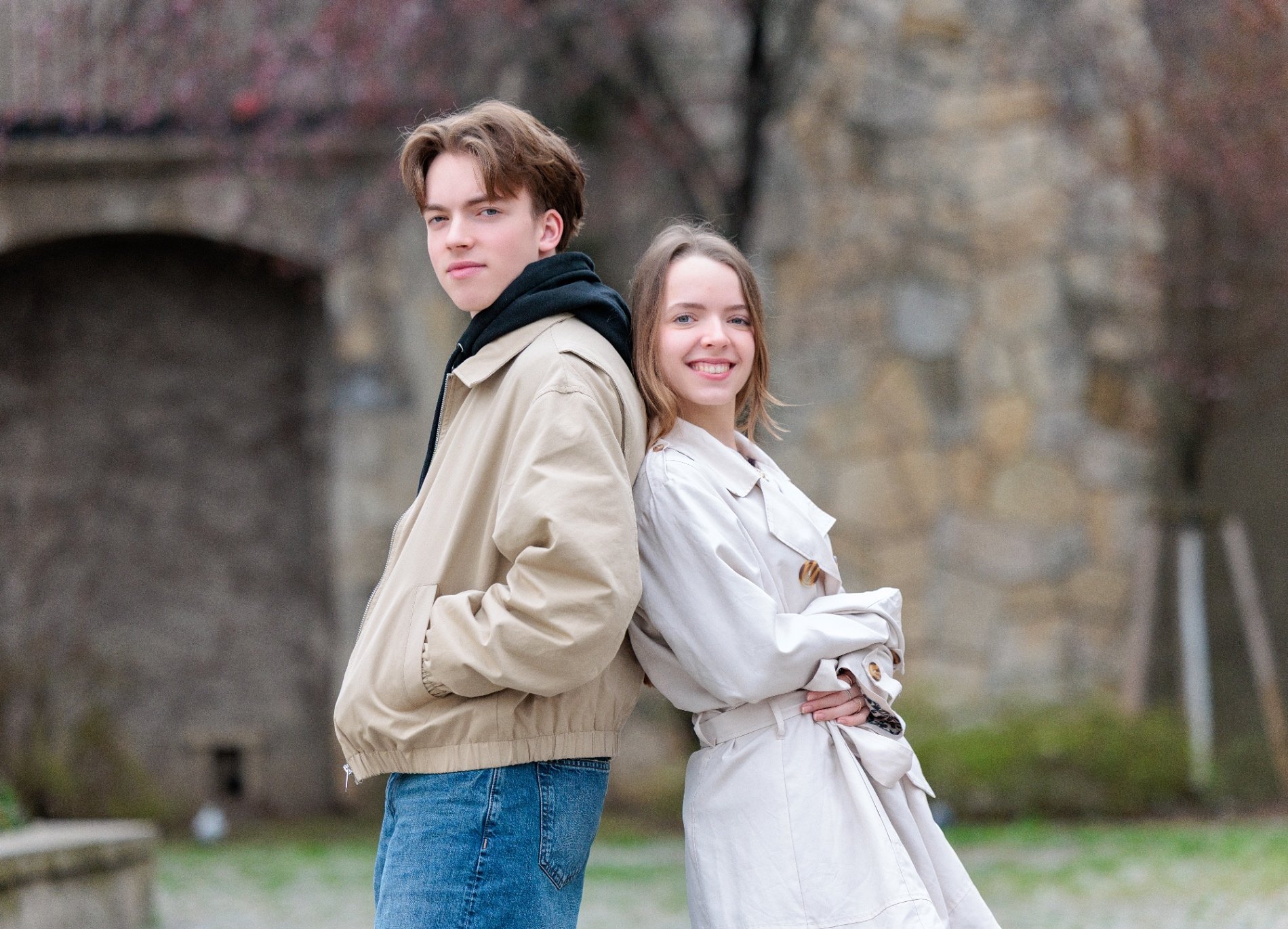
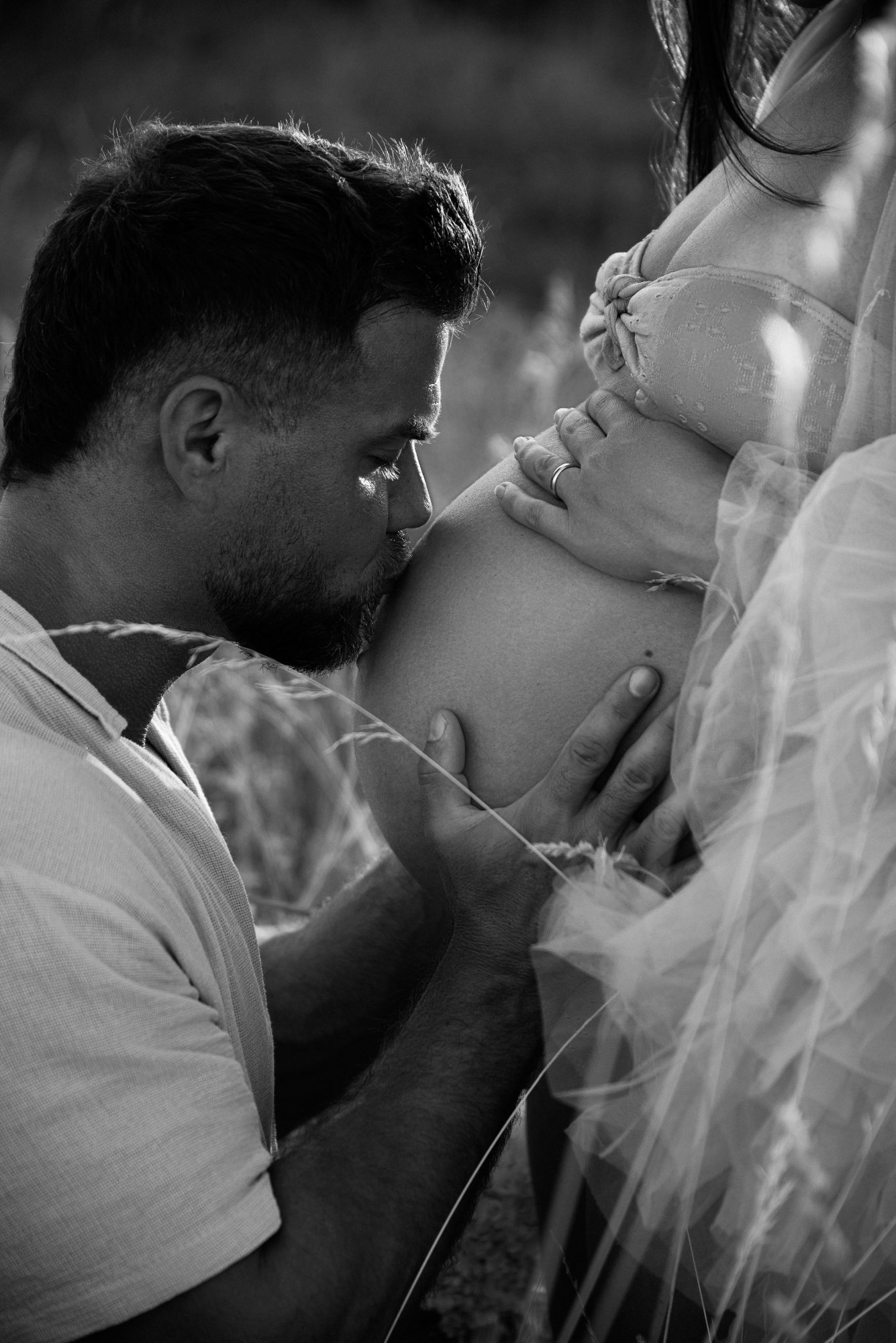
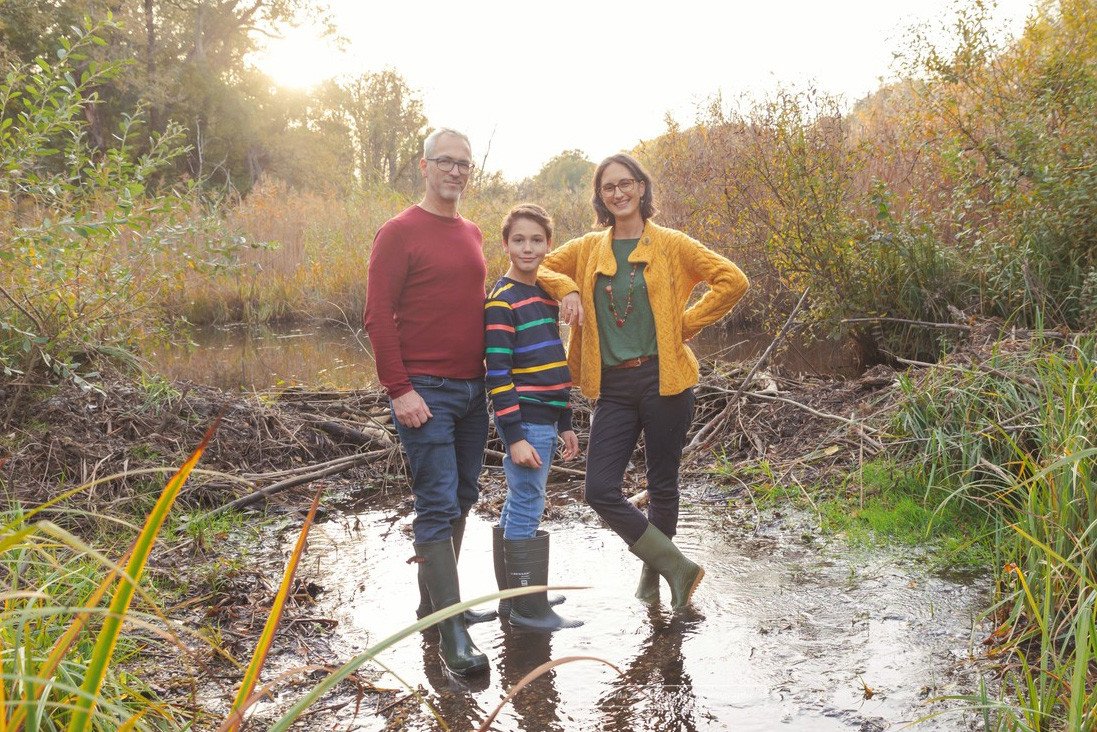
Real shots from Vienna
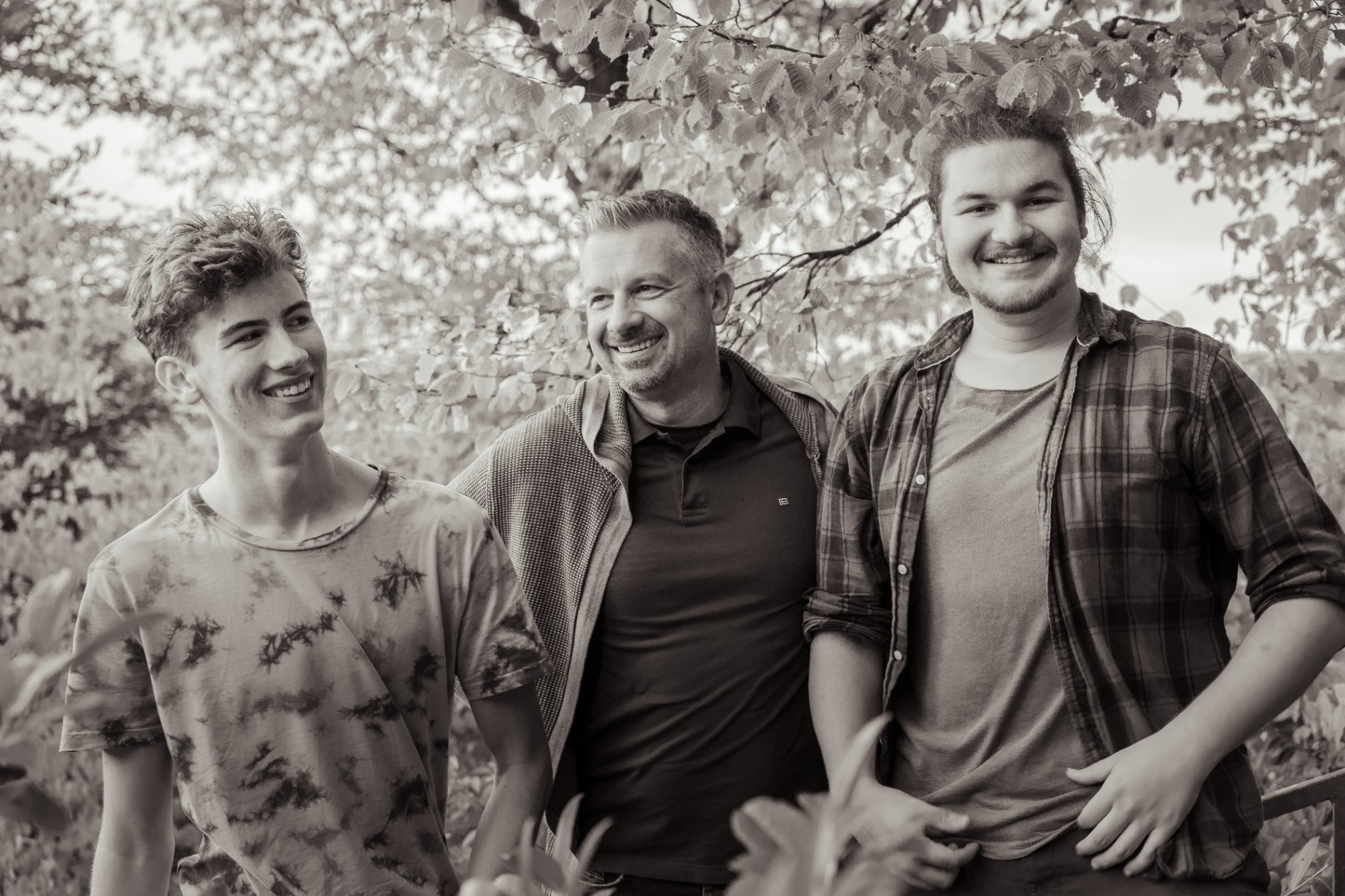
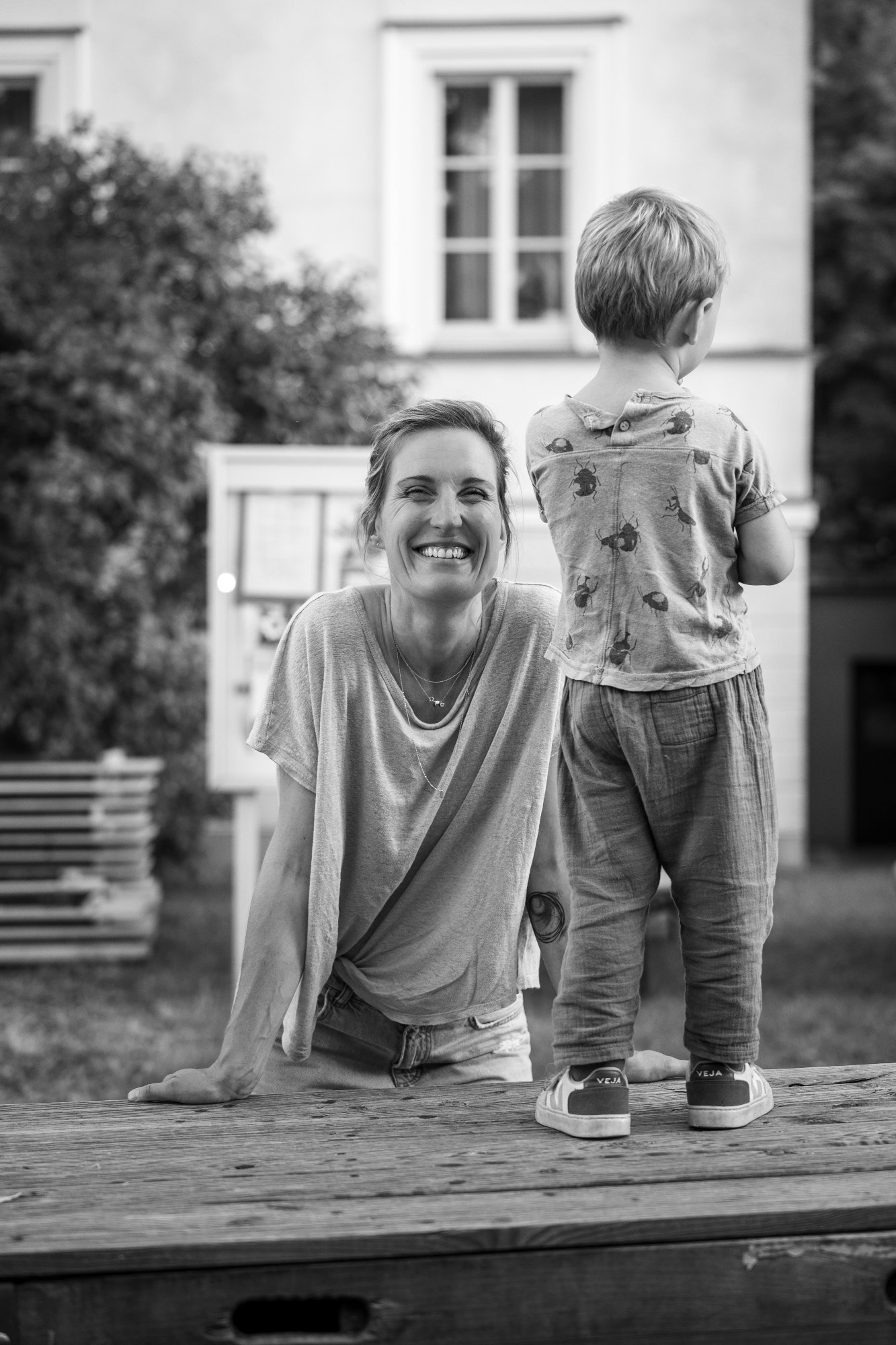
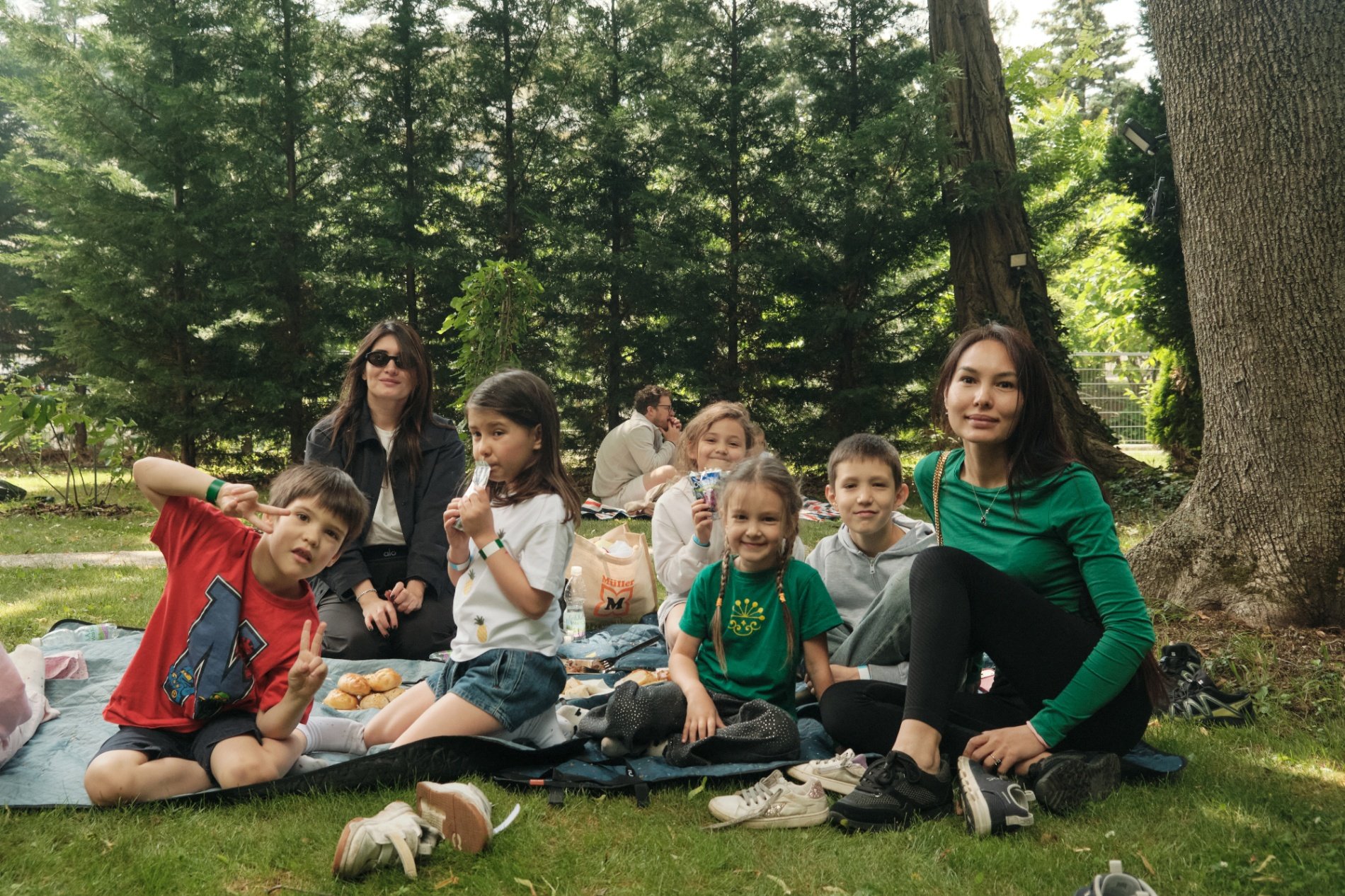
Schönbrunn: the first hour, then the zoo
Schönbrunn's park opens at 6:30 in the morning, hours before the palace, and that first hour is the whole point. The parterre runs from the palace's garden front to the Neptune fountain — a quarter of a mile of gravel, clipped hedges and flower beds with the Gloriette on its hill closing the view. From the fountain the palace fills the frame; from the Gloriette's colonnade the parterre, the palace and the city stack into three planes. At that hour the gravel walks are empty and children can run down the middle of them. By nine the first tour groups arrive; by eleven there are a hundred people in the picture. More on the Gloriette terrace and the Schönbrunn parterre.
Six-thirty is unrealistic with a toddler on holiday, and that is fine — before nine still buys you most of it. Take the U4 to Schönbrunn for the main gate or one stop further to Hietzing for the quieter Hietzinger Tor, which puts you nearer the side alleys where nobody is. The zigzag climb to the Gloriette takes about ten minutes on foot, and there is a step-free route on the eastern side for a stroller.
The zoo sits inside the same park. Tiergarten Schönbrunn was founded in 1752 and is the oldest zoo in the world still operating; it opens daily at nine, closes between late afternoon and early evening depending on the season, and is ticketed. It is the reliable way to buy another two hours of goodwill after a session in the gardens — but it is a separate venue with its own photography rules, so treat it as the reward rather than the location, and check the rules if you want pictures taken inside. The park and the Gloriette hill are free; the palace rooms, the rooftop platform and the maze are not, and the estate's rules on tripods and anything resembling a production change, so check them before the day.
The Prater: the wheel, the little railway and the avenue
The Prater is two things at once, and families usually only find one of them. At the Praterstern end is the Wurstelprater fairground, free to walk into, open air, pay-per-ride, with the Riesenrad turning above it since 1897 — 64.75 metres of red cabins that make a backdrop from half the park. Ride hours vary by attraction and season, and each ride sets its own, so check on the day rather than the week before. The Liliputbahn, a miniature railway that opened in 1928, runs nearly four kilometres around the park; for a three-year-old it is the entire trip, and it also gets a tired family from the fairground to the green part without a march.
The green part is the better location. The Hauptallee is almost five kilometres of chestnut avenue running dead straight from the Riesenrad end towards the Lusthaus — spectacular in the last hour of light, wide enough for bikes and scooters, and empty enough at seven in the morning to stand in the middle of it. Praterstern is on the U1 and the U2, and the ground is flat the entire way, which makes this the easiest Vienna location of all with a pram.
The Stadtpark and the small city parks
If the family is staying in the centre and nobody wants a journey, the Stadtpark is four minutes' walk from its own U4 station, whose white-and-green Jugendstil pavilion by Otto Wagner is a frame in its own right. Inside are lawns, a pond with ducks, the little Wien river running through the middle, and the gilded Johann Strauss monument of 1921 — bronze under gold plate, and the most photographed statue in the city, which means arriving before the tour groups or after them.
Two more within walking distance of each other: the Volksgarten, where the rose beds carry a whole session through June with the Theseus temple behind them, and the Burggarten, the old imperial garden opened to the public in 1919, where the great iron-and-glass Palmenhaus holds a café and the butterfly house. And when the light is hard overhead, the cobbled Biedermeier lanes of Spittelberg are narrow enough that the sun barely reaches the ground — soft light all day, pastel façades doing the work, and empty on weekday mornings.
The Danube island and water
Older children who have had enough of gravel and palaces want water, and Vienna has twenty-one kilometres of it. The Donauinsel is a long thin island between the Danube and the Neue Donau, free, unfenced and reached directly from the U1 at Donauinsel station, where the exit puts you on a bridge onto the island. The banks are a mix of grass, gravel and sand, with shallow, gently shelving stretches that are made for children who want to be in the water rather than beside it.
Late afternoon is the hour: the light comes low along the water, the city towers stand on the skyline, and nobody minds wet clothes at the end of a session rather than the start. Bring the change of clothes you were going to bring anyway, and bring it twice.
What clients say about this kind of shoot
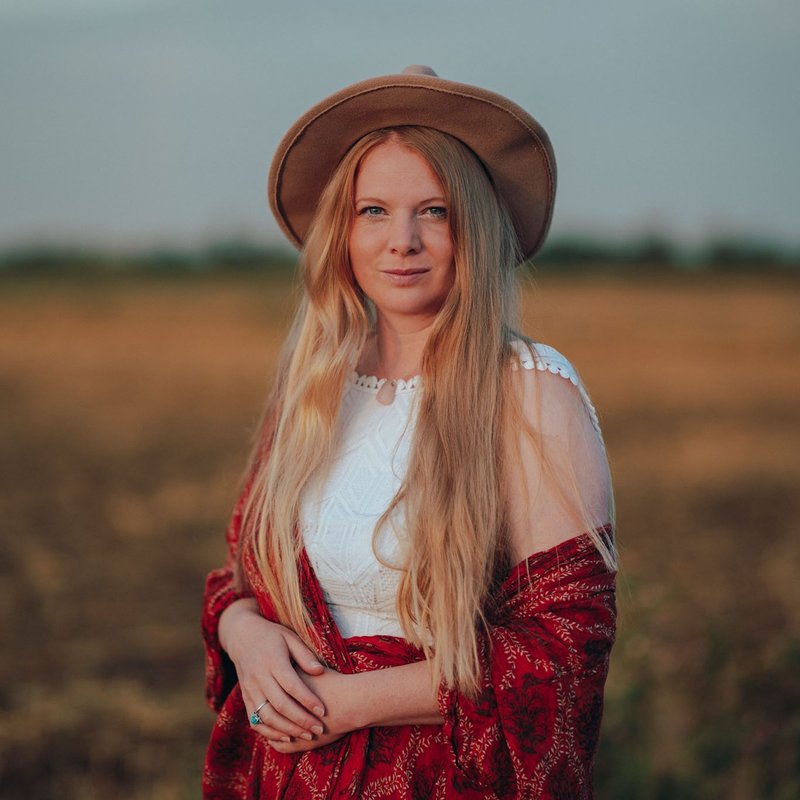
We first met back in the spring, and getting to know each other was completely easy and went really well! We felt comfortable with Julia right away, so we confirmed that she would photograph our wedding. On the wedding day itself, too, everything was just as it should be. We can't recommend Julia enough!
— Hinum Robert und Angela on Julia H.
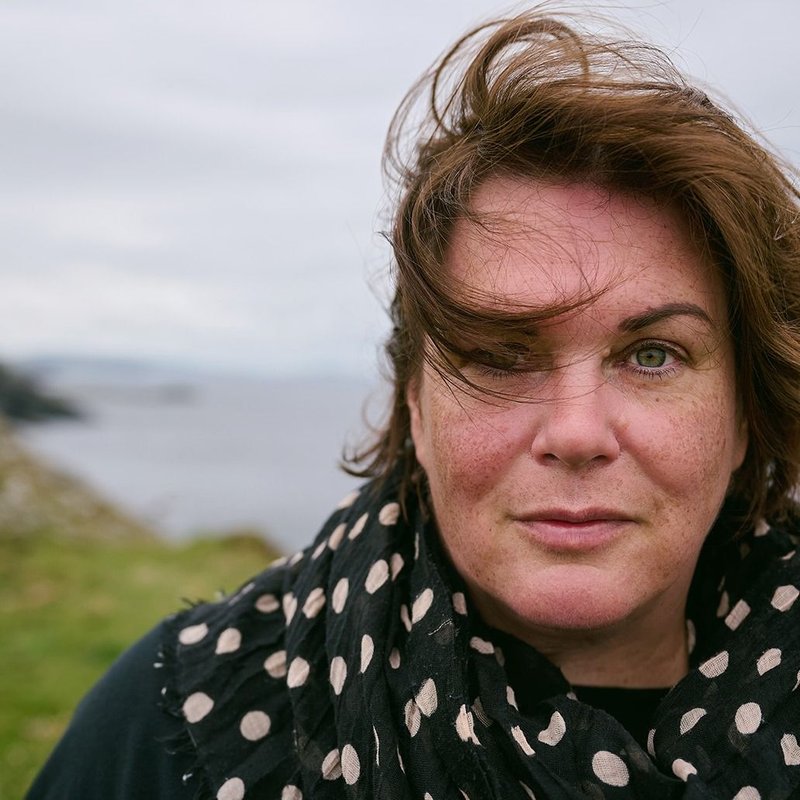
She took great craft photos for my personal brand, easygoing and with a really good eye for detail!
— Astrid K. on Ursula S.
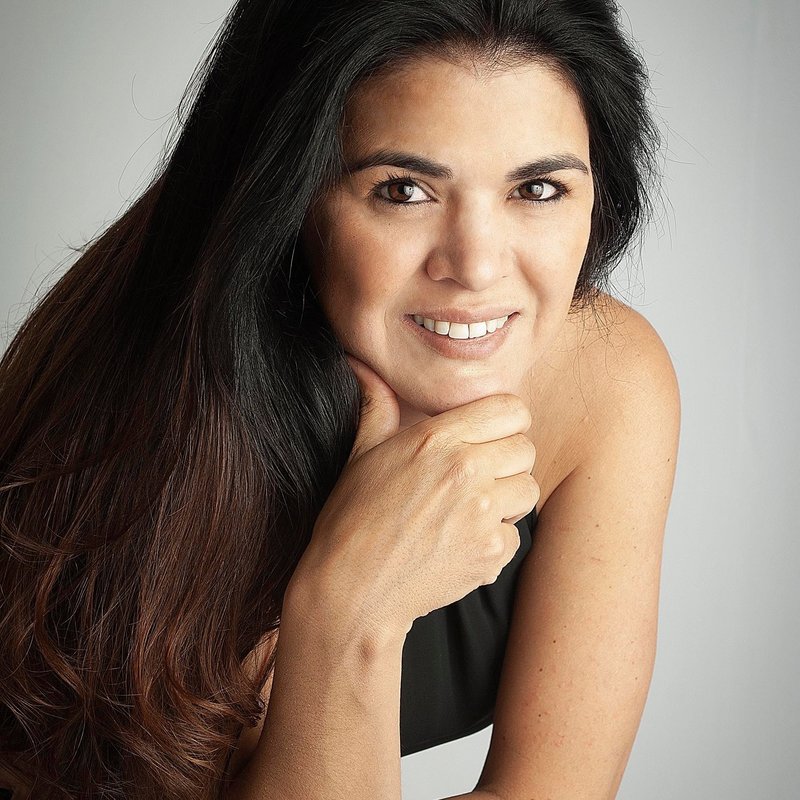
I had such a great experience working with Nik! He is talented, and has a real eye for capturing beautiful, natural moments. He creates a relaxed and comfortable atmosphere during the shoot, which makes the whole experience feel effortless and enjoyable. I’m genuinely so happy with the results and would absolutely recommend Nik to anyone looking for a photographer who is not only skilled behind the camera, but also a pleasure to work with. Thank you for the beautiful memories! 🤍📸
— Az Y. on Nikita P.
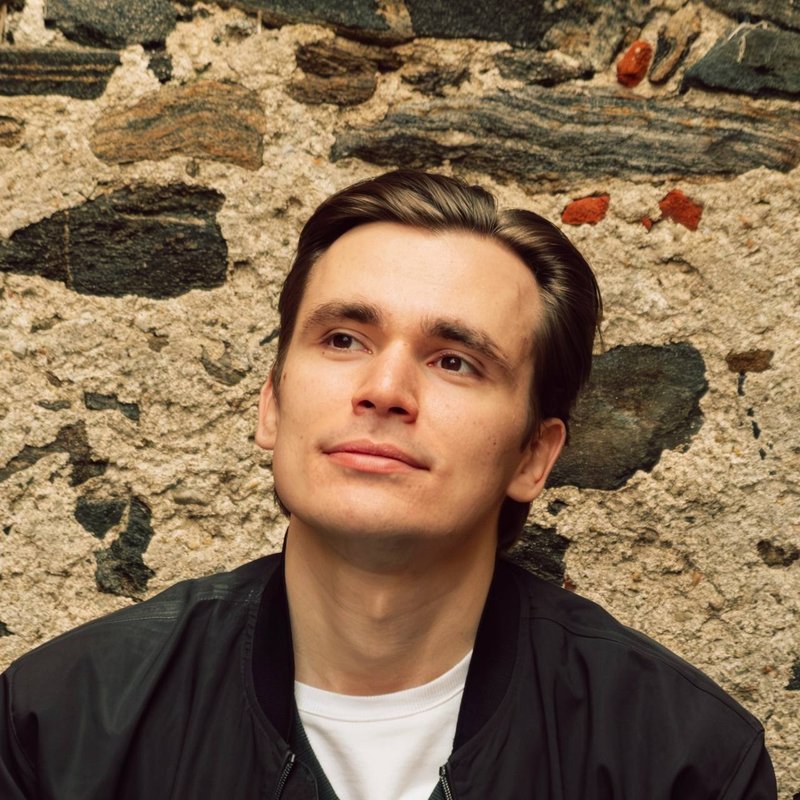
I can highly recommend Nikita as a photographer. I had a really great experience with the photoshoot and I’m very happy with how the photos turned out. He has a talent for finding flattering angles and capturing great shots! I especially appreciate that he knows how to guide you during the shoot - telling you how to pose, where to look, or what to do, which makes things much easier when you’re not used to being in front of a camera much. I would definitely recommend him for individual portraits, lifestyle photography, couples, or family sessions. He is easy to be around, creative, and very attentive to what works best for each person.
— Milya I. on Nikita P.
Attentive, responsible, and full of great ideas, with excellent execution. Strongly recommend!!!!
— Alsu G. on Nikita P.
I highly recommend having a photo shoot with Nikita. He did an amazing job with our couple pictures. The atmosphere during the shooting was amazing, he had an idea about the spot and poses. He is a really great photographer for someone who is shy about posing and not really expressive with having pictures taken. Thank you! Cannot wait for our next shooting!
— Anna K. on Nikita P.
Planning around naps, snacks and the sixty-minute rule
Three rules do most of the work with children under six.
First, sixty minutes. It is long enough for one location done properly and short enough that nobody melts down in the last ten minutes. Photographers who shoot families every week will tell you the honest pictures almost always come in the first thirty.
Second, one place. The instinct to line up Schönbrunn, the Prater and the Stadtpark in one morning is the single most common way a family session goes wrong: the transfers eat the time and the children arrive at each place tireder than the last.
Third, the day's best mood, not the day's best light. For babies and toddlers that is the morning — which in Vienna is also when the parks are empty, so the two agree. For school-age children it is the last two hours before sunset, after a real rest.
Strollers, steps and what to wear
Schönbrunn's parterre, the Prater's Hauptallee, the Donauinsel and the Stadtpark are all flat and hard-surfaced end to end. The Gloriette needs the eastern route with a pram, and Spittelberg has a few steps in the passages between its lanes. The U-Bahn is lift-served at the stations named here, but check the specific lift on the day.
Dress everyone in plain, mid-tone colours that do not fight the gravel and the hedges — linen, cotton, no logos, no brand-new shoes on a child who will be running. And bring the snack. The session that survives is the one with a bag of something in it.
Winter, rain and the indoor fallbacks
Vienna is a year-round city for this and winter is genuinely one of its best seasons. From mid-November the Christmas markets — Rathausplatz, Schönbrunn, Spittelberg and a dozen smaller ones — light the evenings until the New Year, and dusk is the hour to shoot them: the lights are on and the after-work crowd has not arrived yet. Dates move each year, so check them. Snow usually comes in January if it comes at all, and the Belvedere gardens in snow are the best free frame in the city.
For rain, the covered options are real but each has an owner: the Palmenhaus in the Burggarten, the palm house and the butterfly house, the arcades and passages of the inner city, and the coffee houses, where a window table is an interior frame no other capital offers. All of them are businesses or ticketed venues, so ask first — a photographer who works Vienna every week will already know which of them says yes.
Planning a family photoshoot in Vienna
Book one park, one hour, sixty minutes. Choose the morning for small children and the last two hours of daylight for older ones, and let the session be a walk with a camera following rather than a set of poses. Sessions run 60, 120 or 180 minutes at €429, €509 and €749 all-inclusive, and the booking takes a few minutes online — see how it works if you have not done this before.
Start from the destination page for Vienna, read what a family shoot includes, then browse the photographers and pick your hour.
Want professional photos in Vienna?
Browse portfolios, compare packages, and book a verified local photographer in minutes.