Best Time of Year for a Photoshoot in Austria: season by season
Austria changes more between February and July than most countries manage in a decade. The same valley is a snowfield with a lift running over it in one month and a hay meadow full of cattle in another; the same lake holds a glacier upside down in June and lies under snow in January. That is the appeal and the trap at once. Picking a month here is not about chasing warm weather — it decides which version of the country you get, how many hours of light you have to work with, and whether the cable car that reaches your location is running at all.
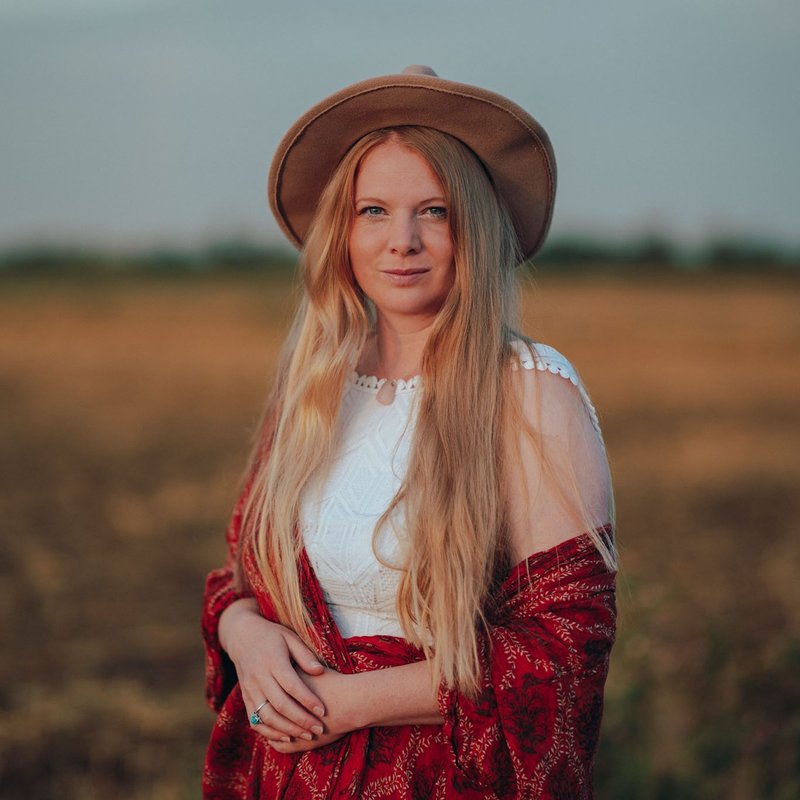
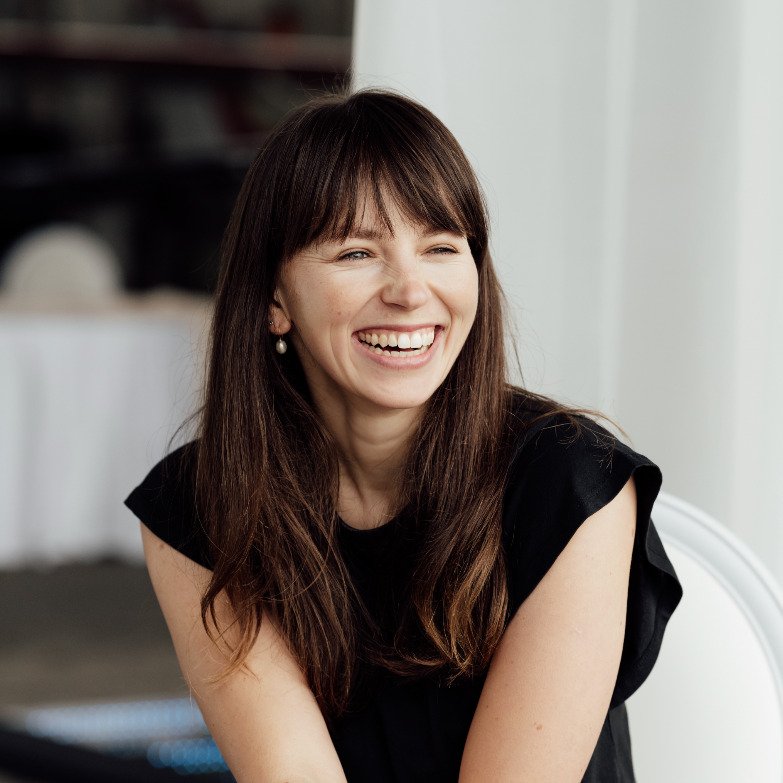
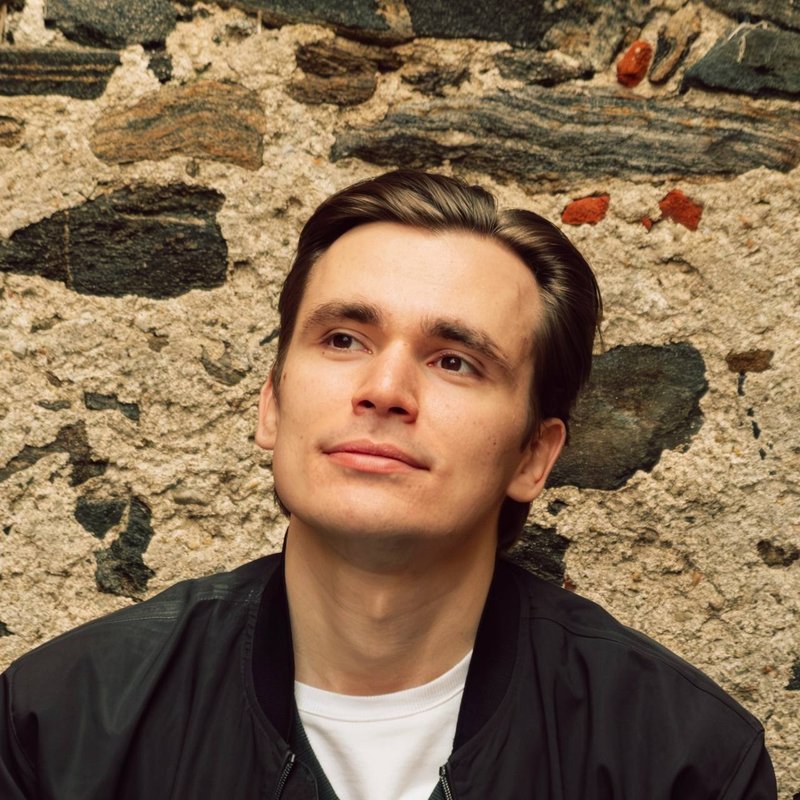
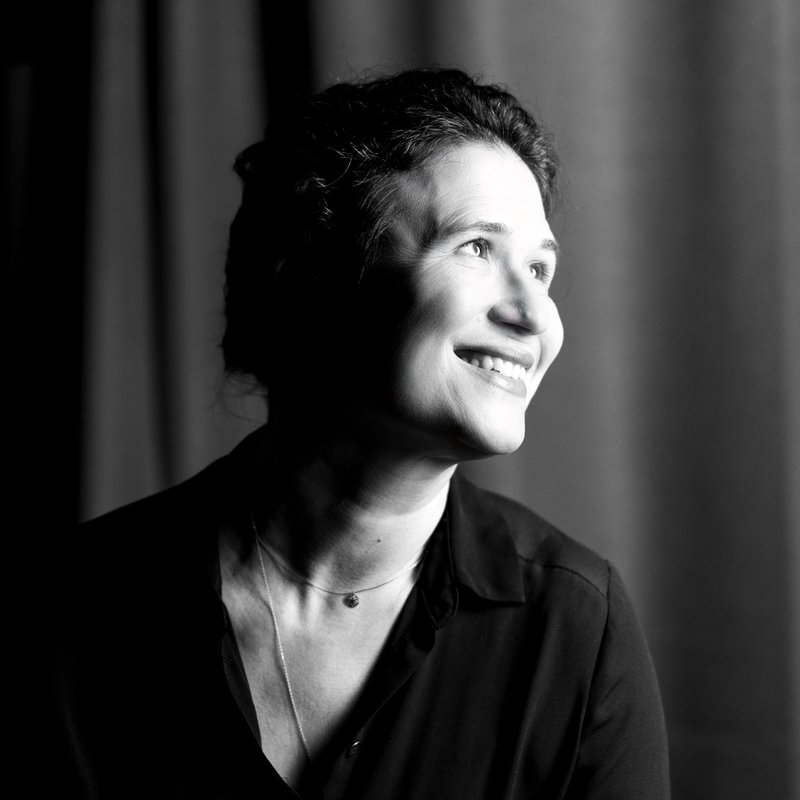
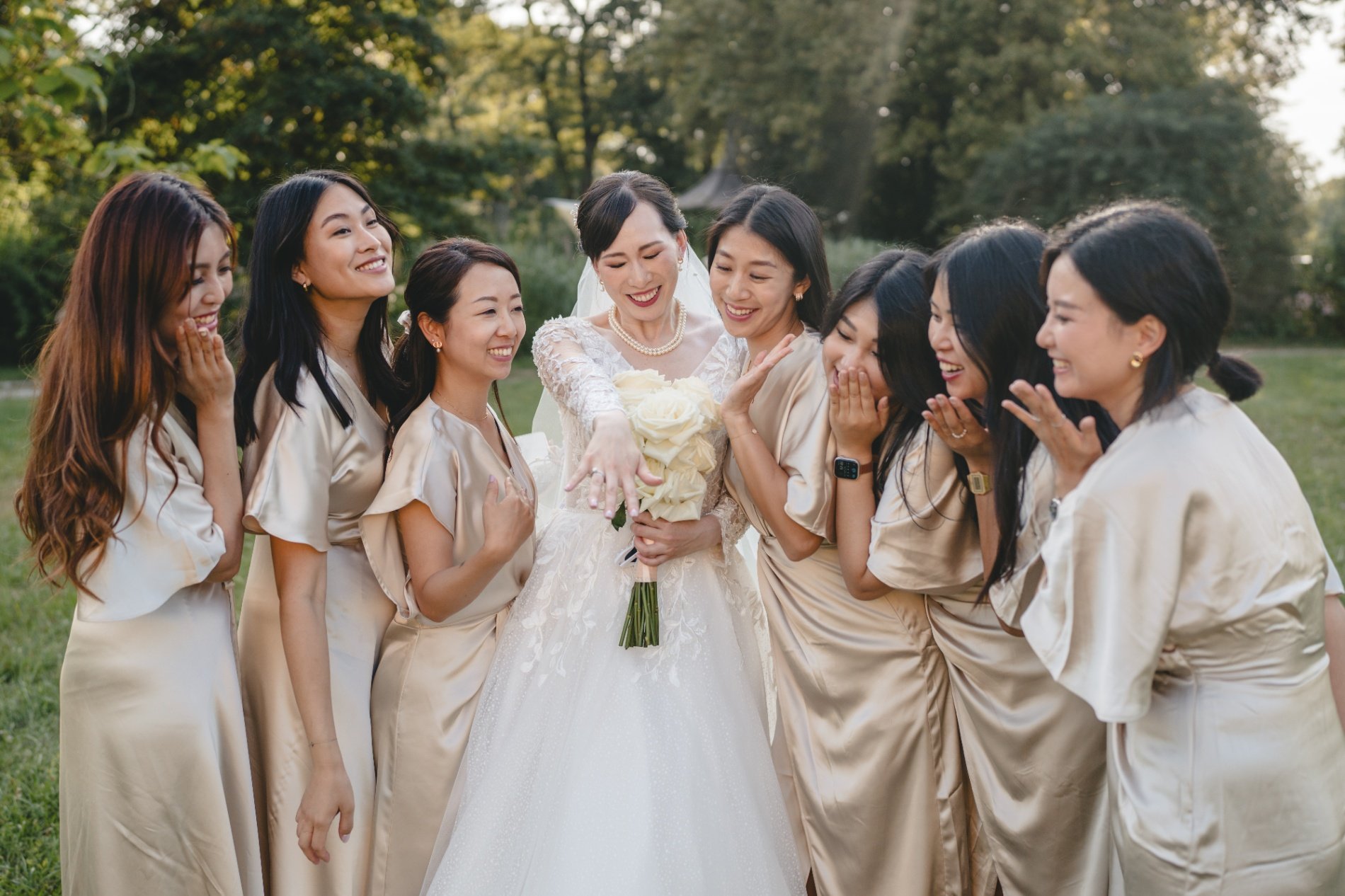
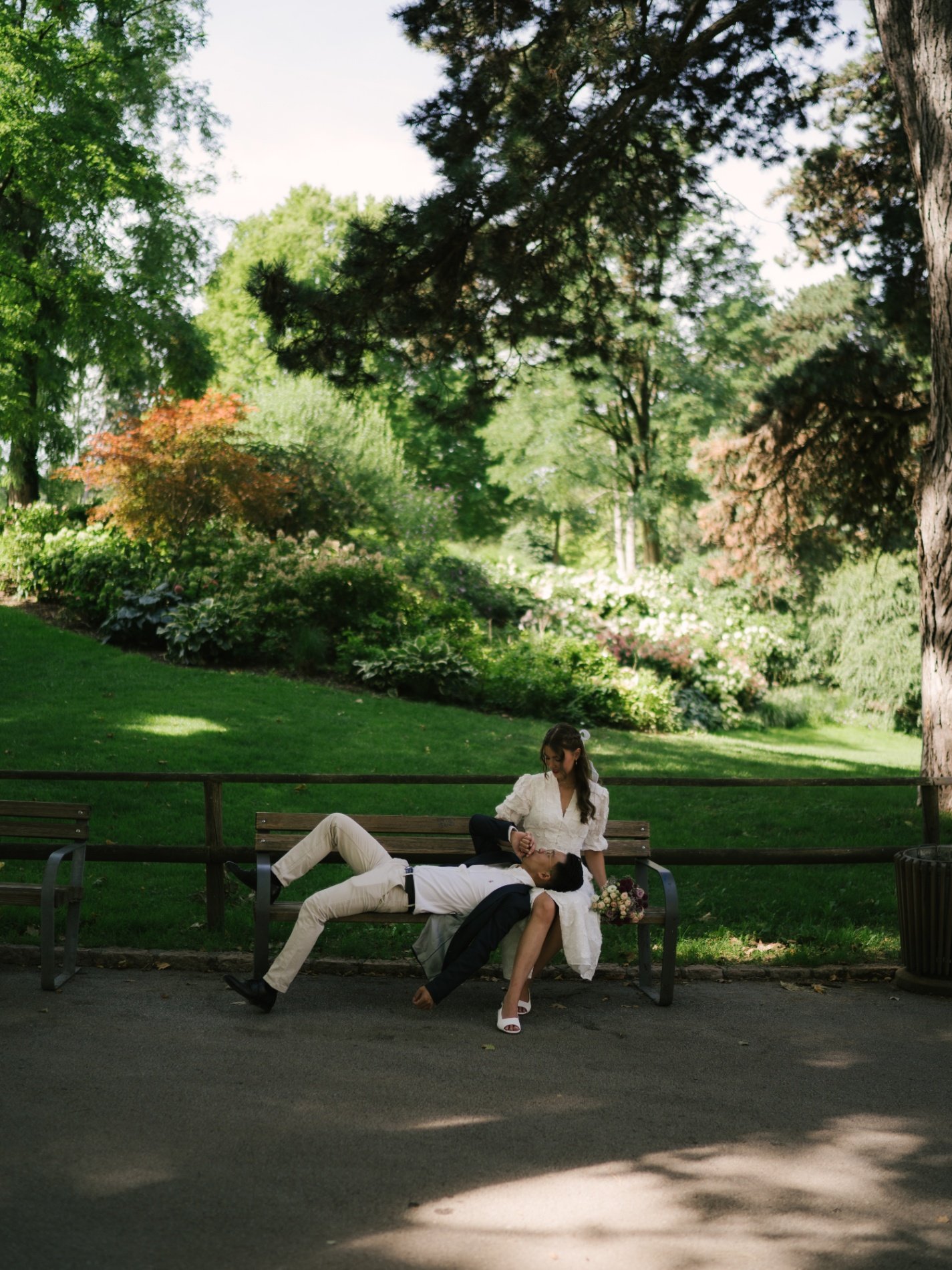
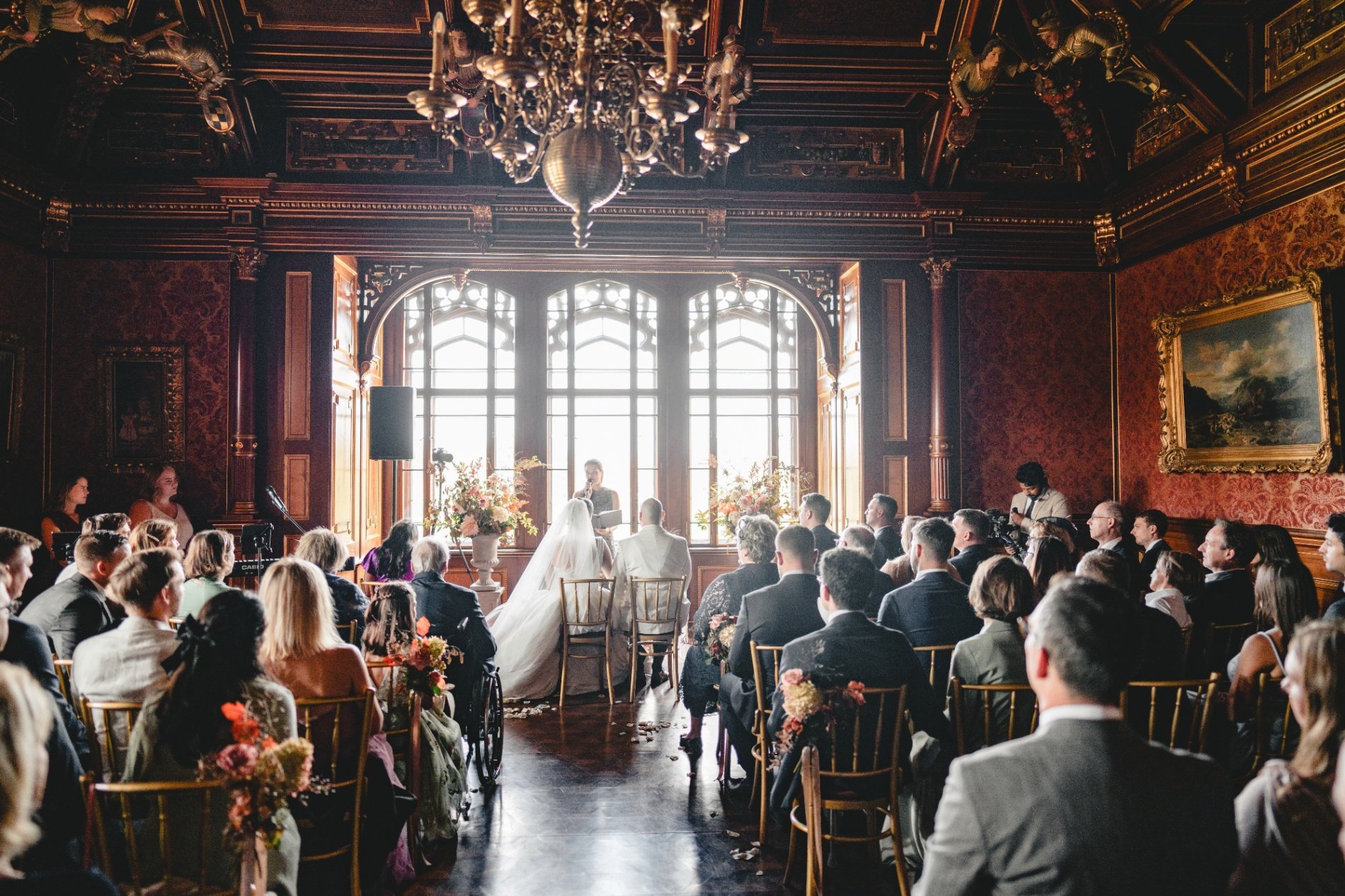
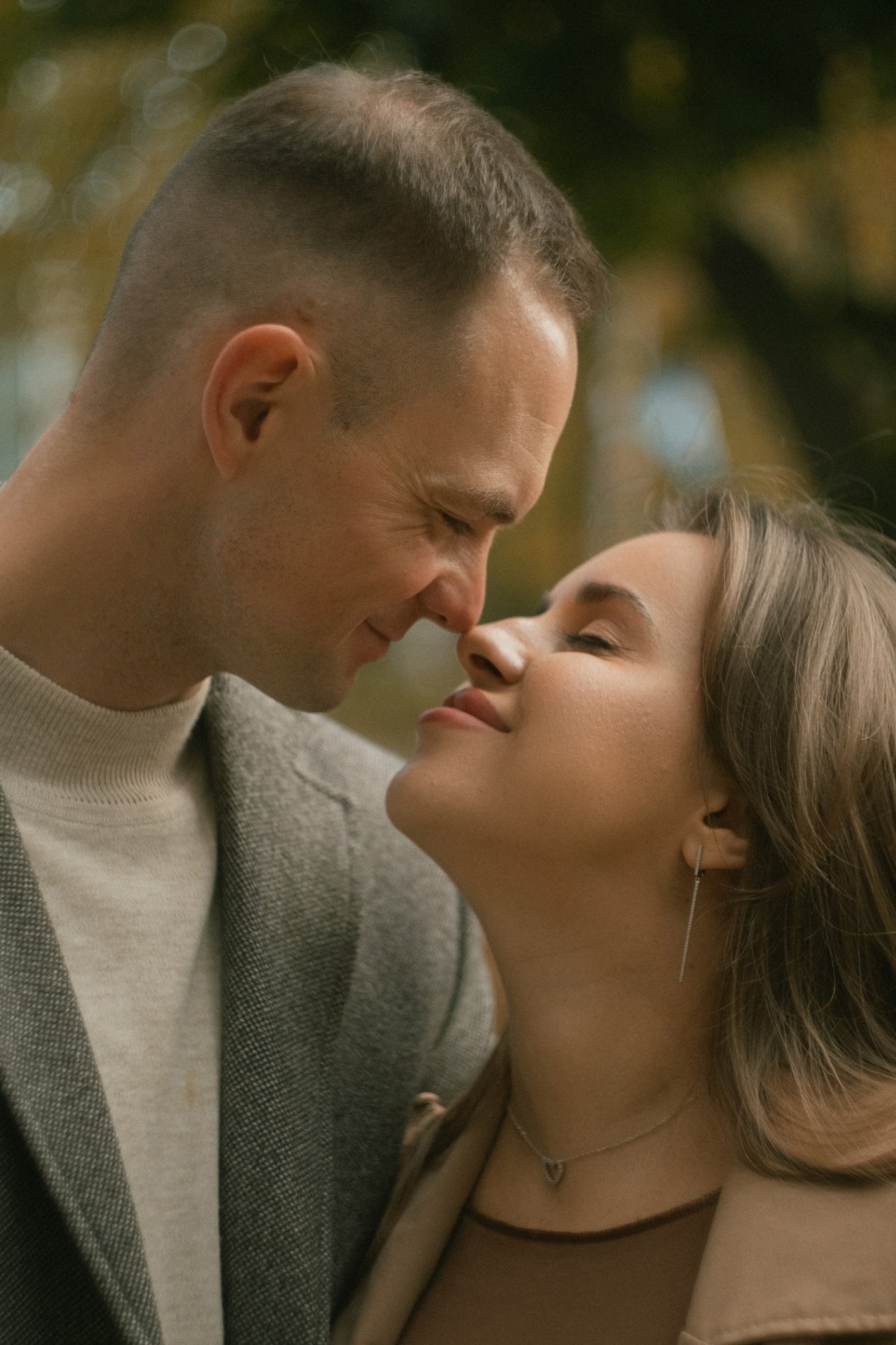
Real shots from The Wachau
Start with the light, not the temperature
The biggest difference between the Austrian summer and the Austrian winter is not cold, it is hours. Around the June solstice Vienna gets roughly sixteen hours of daylight and the sun stays up until just before nine in the evening; around the December solstice it gets a little over eight, and the sun is gone soon after four in the afternoon. Everything else follows from that. A June session can start at seven in the morning and still leave a second golden hour after dinner. A December session in the city has one usable window and it closes before most people have finished work.
In the mountains the arithmetic is harsher. Valley floors lose the sun long before the astronomical sunset, because the ridge above does the setting for you: Mayrhofen in the Zillertal is in shade in the afternoon while the plateau above it is still lit, and Hallstatt faces east across its lake, so the Sarstein ridge opposite holds the light back until mid-morning and the village takes its best light at dawn. Ask which way your location faces before you fix an hour — it is worth more than the forecast.
December to February: snow, market lights and a short window
Winter is the most distinctive season Austria has and the least booked. The cities gain something summer cannot give them. Vienna lights Christmas markets on Rathausplatz, in the Schönbrunn courtyard and through the lanes of Spittelberg from mid-November, and the blue hour lands exactly when the lights come on. Snow on the Belvedere parterre turns the hedges into black graphic lines and is the best frame in the city — usually a January event, never promised.
In the mountains this is the full ski season, broadly December to early April depending on the resort and the snow. Kitzbühel gives you painted medieval façades with snow along the street and a Schwarzsee that freezes hard and is cleared for skating in most years. One week in January belongs to the Hahnenkamm races, when the town becomes a grandstand and the centre is unusable for a session; the 2027 races are scheduled for 18 to 24 January, but the date moves every year, so check it before booking anything in that month.
Two things winter takes away. The high passes are shut — the Grossglockner High Alpine Road opens around the start of May and closes with the first heavy snow, usually late October or early November. And several lifts run reduced timetables or none at all: Hallstatt's salt-mine funicular up to the Welterbeblick skywalk keeps a much shorter winter schedule and pauses in the depths of the season, so check the dates rather than assuming.
March and April: the flat weeks, then the blossom
Late March is honestly the weakest moment of the Austrian year. Valley snow has gone grey and patchy, the meadows are not green yet, and most cable cars sit in their between-seasons pause — Kitzbühel's Hahnenkamm gondola typically closes for part of April and May, and it is not the exception.
Then the Danube saves the month. The Wachau, the thirty kilometres of river between Melk and Krems, has apricot orchards on the lower slopes between the villages, and they flower for somewhere between ten days and three weeks. It usually falls between the middle of March and the middle of April, the exact date is set by the weather and cannot be booked in advance, so keep the window flexible and check locally in the days before. April also brings the rest of the valley back: the terraced vineyards above Weißenkirchen and Spitz go green, the small cable ferries start running again, and Dürnstein's blue baroque tower stands over an almost empty street.
May and June: long days, deep green, nobody there
If you want alpine landscape without alpine crowds, this is the window. The meadows are at their best, the light runs from half past five in the morning to well after nine at night, and the summer lift season starts — though not everywhere on the same date, which is the one thing to check. At Gosau the Vorderer Gosausee holds the Dachstein, its glacier and the Gosaukamm towers upside down on a calm morning, and June adds alpine roses on the slopes above it. Higher up, snow patches survive into July, so a June shoot at altitude gives you white ground and green valley in the same frame.
The catch is water and weather. Snowmelt makes waterfalls loudest and paths wettest in May and June, and afternoon cloud building over the glaciers is the rule rather than the exception from late spring onwards. Plan high-altitude sessions for the morning.
What clients say about this kind of shoot
We are overjoyed with the photos from our wedding. Ian and Kiran not only have a fantastic eye for the special moments, they also bring a wonderfully relaxed and caring manner. Our guests were thrilled too! Thank you so much for the priceless memories and for your amazing dedication. We couldn't have wished for a better photographer ♥️
— Behiye O. on Ian P.
We're so happy we chose you! From the very first contact, everything was totally hassle-free and pleasant. Both at the pre-wedding shoot and on the wedding day we felt really comfortable with you, and everything was really relaxed and professional. The photos turned out really great and we're absolutely thrilled with the result! You captured the most beautiful moments of our day perfectly and gave us truly lovely memories. Thank you so much for your amazing work! We'd book you again any time and can't recommend you enough! ❤️
— Chelsea B. on Ian P.
Very professional, likeable and easy to work with. The photos turned out beautifully and capture our wedding day in a very special way. We're very happy and can definitely recommend him!
— Tony P. on Ian P.
Super friendly, creative, dedicated photographers! We clicked right away, they were really accommodating and delivered on time! Absolutely amazing photos that we always love looking at 😍
— Rechusmile on Ian P.
For our wedding, nothing mattered more to us than capturing the special moments and emotions forever. So naturally we had pretty high expectations of our photographers and videographers – and finding them was probably one of the biggest strokes of luck in our wedding. ❤️ On the day itself, we already felt incredibly comfortable with the two of them. They're super friendly, warm-hearted and at the same time absolutely professional. You can tell right away that they know 100% what they're doing, and they still manage to capture the moments completely naturally, without anything feeling posed. At first we even thought we didn't really need a video and were only looking for a photography team. Today we can say: we needed this video!!!🥹 The video truly exceeded our expectations. Watching it feels like living our wedding day all over again – with all the emotions, the voices and the little moments that we ourselves didn't even consciously take in on the day. And the photos turned out simply beautiful too, capturing our day exactly the way we want to remember it. We are incredibly grateful that the two of them were by our side at our wedding and captured these special memories for us. We would choose them again any time and recommend them with all our hearts. ❤️
— Marlene on Ian P.
We first met back in the spring, and getting to know each other was completely easy and went really well! We felt comfortable with Julia right away, so we confirmed that she would photograph our wedding. On the wedding day itself, too, everything was just as it should be. We can't recommend Julia enough!
— Hinum Robert und Angela on Julia H.
July and August: high season, high sun, high crowds
The two summer months are the busiest of the year and the least forgiving for photography. Midday sun at altitude is flat and merciless, the lake villages are full from ten to four, and thunderstorms build over the peaks most afternoons. Everything is open, which is the compensation: toll roads, ferries, rack railways and every cable car are running, the Kitzbüheler Horn's alpine flower garden is in bloom, and lake water is warm enough to swim in and to work into a session.
Shoot early and shoot late. Seven in the morning at a lakeside is a different place from eleven, and the second golden hour runs until nine. If you want snow in August without waiting for winter, the Hintertux glacier in the Zillertal is the only year-round ski area in the country, and the top station has snow on the ground on every day of the year.
September and October: the best two months
If someone forces a single answer out of us, it is late September and October. The air is at its clearest of the year, the crowds thin out after the first week of September, the meadows are still green, and the light is low enough all day to be useful rather than only at the edges. In the Wachau the vintage falls in the first half of October and turns the terraces gold, with pickers working the rows and the wine taverns open. In the mountains the larches turn — they colour through October, are usually at their best around the middle of the month and drop their needles in the first half of November — and a hillside of gold conifer against grey limestone is the single most Austrian picture there is.
Two practical notes. Moor lakes fog readily on cold September and October mornings, which is a gift if you plan for it. And lift seasons end here: several summer cable cars and toll roads stop in early or mid October, so confirm the closing date before you build a session around a ride.
November: the month to avoid, with one exception
November is the gap: the larches have dropped, the snow has not settled, the summer lifts have closed and the winter ones have not opened. The exception is the second half of the month, when the markets open in the cities and the calculation changes — from mid-November Vienna is a different proposition again.
Matching the month to what you want
For the mirror at Gosau or mist on the Hallstätter See, come in the shoulder seasons and shoot at dawn. For deep snow and painted houses under it, January to early March. For blossom, the Wachau in the first half of April, with a flexible date. For green meadows and long evenings, June. For everything open and warm water, July and August — and get up early. For the best all-round light of the year, October.
Planning a photoshoot in Austria
Whatever month you choose, the plan is the same shape: one location done at the right hour beats three done at noon. Sixty minutes covers a single village, a lakeshore or a palace garden; two hours lets you move between two nearby locations or ride a lift and come back down. In winter, build the whole session around the short window before sunset; in summer, build it around dawn.
Book earlier than you think for the peak weeks — Advent in the cities and the ski holidays in the mountains are the two periods when good photographers fill up first. A couples session or a family session starts at €429 all-inclusive for sixty minutes, €509 for two hours and €749 for three. You can browse photographers across Austria and book online, and how it works explains what happens after that.
Want professional photos in the Wachau?
Browse portfolios, compare packages, and book a verified local photographer in minutes.