Zell am See & Kaprun: Lake, Glacier and the Kitzsteinhorn in One Shoot
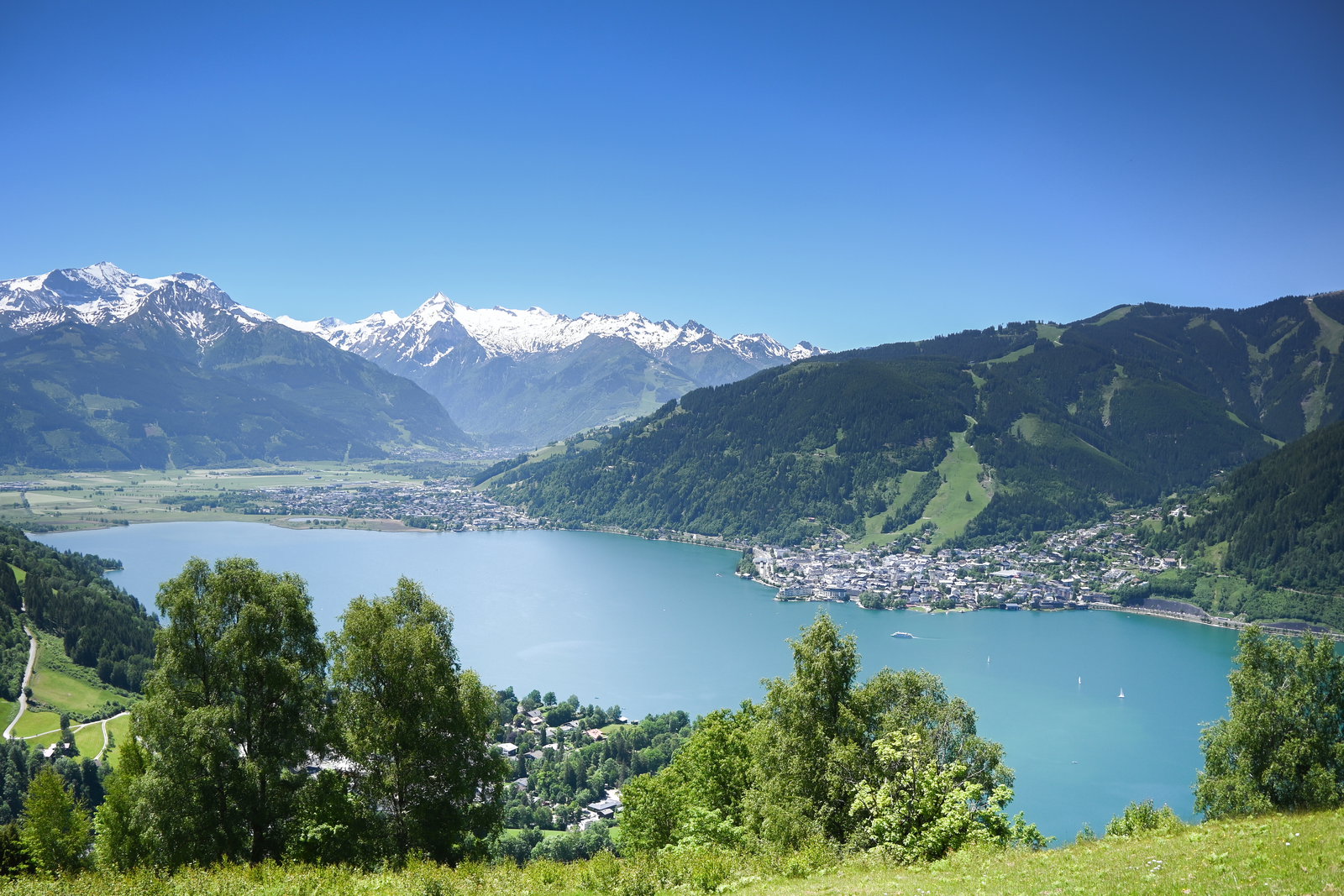
Zell am See is the rare Alpine destination where a family can photograph a warm turquoise lake in the morning and stand on a glacier the same afternoon. The town sits at about 750 metres on a gravel spit pushed out into the Zeller See, so the old streets have water on three sides; the Schmittenhöhe rises to 1,965 metres ten cable-car minutes above them; and Kaprun, seven kilometres south, carries the Kitzsteinhorn, where there is snow in August. What breaks a plan here is not distance but weather and machinery: cloud builds on the Hohe Tauern from late morning in summer, cable cars stop in high wind with no notice, and three thousand metres is felt by every child. Build the day around the mountain and the lake will forgive you anything.
The lake promenade and the Elisabethpark
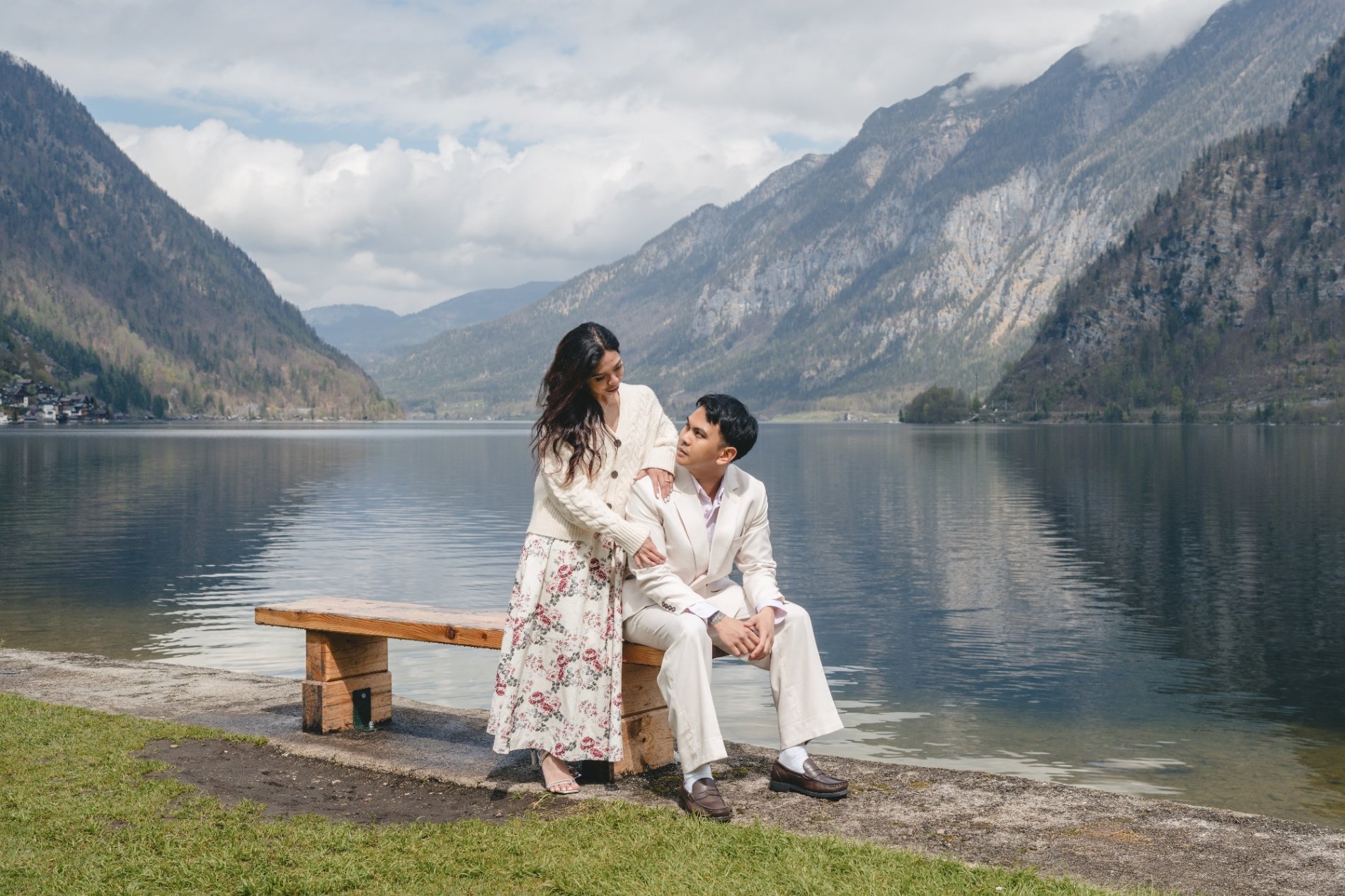
This is the easy, level hour, and with small children it is usually the whole session. The Esplanade runs north from the Elisabethpark along the western shore, past the grand hotel on its own small peninsula, with wooden jetties, moored rowing boats, the Vogtturm and the Romanesque tower of St. Hippolyt behind you and the Kitzsteinhorn closing the valley across the water.
Morning is the frame. Before nine the lake is usually glass, the mountains double in it and the promenade is empty except for swimmers; by midday the boats are out and the light is flat. Evening light lands on the far shore at Thumersbach rather than on the town, so to have the town itself lit, cross by boat or drive round.
The water turns properly turquoise in June and is warm enough to swim in from late June to early September, which makes the shallows a location rather than a backdrop — children in the water are doing something, and that is always the better picture. October is the clean, empty month. Everything here is public and free, the Elisabethpark's old trees give shade in July and August, and the arcades along the Esplanade are the fallback in rain.
The Schmittenhöhe: two thousand metres, ten minutes from town
The Schmittenhöhe is why a two-hour booking can hold two different worlds. Cable cars run up from the edge of town and from the Schmittental, and the top at 1,965 metres is grassy and walkable rather than rocky, so there is somewhere to stand in every direction and nothing that frightens a five-year-old.
The summit's own landmark is the Elisabethkapelle, a small white chapel of 1907 that photographs as well against snow as against summer meadow. South and west the horizon fills with the Hohe Tauern: on a clear day the Grossglockner, Austria's highest mountain, stands among about thirty peaks over three thousand metres, and a panorama board on the terrace names them.
This is an afternoon mountain. The last two hours rake the summit meadows and throw the ridge's shadow across the lake far below; midday is flat and hazy, and in summer the Tauern cloud builds from late morning. In winter it is a ski area, so shoot early or away from the pistes, and take a layer whatever the valley says — it runs about ten degrees colder and the wind is constant. The cable cars close for maintenance in the shoulder weeks and stop in high wind, so check the day's operation before you build a session on being up there.
The Kitzsteinhorn: snow in August
The Kitzsteinhorn rises to 3,203 metres at the head of the Kapruner Tal, and Austria's first glacier ski area has run on its northern flank since the 1960s. A chain of lifts climbs from Kaprun to about 3,029 metres, where the Gipfelwelt 3000 puts a viewing platform out over the ice and drives a lit gallery through the ridge to a window looking south into the Hohe Tauern National Park. Allow roughly an hour each way.
The photograph up here is scale and cold colour: white ice, grey rock, the Grossglockner group across the valley, and very often cloud below you rather than above. It is the one location in the area with snow in August.
Go early: the platform faces south and the morning gives the cleanest air, while from late morning in summer cloud builds along the Tauern and can swallow the view within the hour. In winter the light stays low and the snow holds colour from sunrise, but the wind is brutal and the window shorter. The lifts run through the year but stop for wind, storm and avalanche work, so check the day's operation and the summit forecast before setting out — and keep the shoot short. Detail and standing positions are on the Kitzsteinhorn glacier above Kaprun.
The Kaprun reservoirs: a summer-only road
Above Kaprun, the Mooserboden reservoir sits at about 2,036 metres between two dam walls, with the Höhenburg rock and a viewing platform between them. The water is glacier-fed and turquoise, the walls around it are ice and grey granite, and the Grossglockner group closes the head of the valley. Walking a dam crest with the whole basin below is the frame people come for, and the palette — water, stone and snow, no soft green anywhere — holds up in hard midday light.
Access is the constraint, and it is also half the fun for children. Private cars stop at the Kesselfall Alpenhaus; from there a shuttle bus, the Lärchwand inclined lift — an open platform that climbs more than four hundred metres of cliff — and a second bus bring you to the dams. Allow an hour up and an hour back on top of the drive from Zell am See.
And it is strictly summer. The road and the lifts normally open between late May and mid-June and close in mid-October, and snow can shut them early or open them late; outside those months there is no way up. Check the current season before planning anything here.
Two day trips: the Grossglockner road and Bad Gastein
The northern toll gate of the Grossglockner High Alpine Road is at Bruck, a short drive north of the lake. The road climbs 48 kilometres and 36 hairpins over the Hochtor pass, and the branch on the Carinthian side ends at the Kaiser-Franz-Josefs-Höhe at 2,369 metres, looking straight up the Pasterze glacier to the Grossglockner itself at 3,798 metres. The terrace is level and the whole frame is within fifty metres of the car park, which matters with a pushchair. It is a toll road and a seasonal one — it opens around the start of May, closes with the first heavy snow in late October or early November, and the gates keep daily hours, all of which change every year. Go in the first two hours after opening; by eleven on an August day the car park is full. More on the Grossglockner High Alpine Road.
About three quarters of an hour the other way, Bad Gastein is the opposite kind of picture: a belle-époque spa town terraced into a gorge, with the Gasteiner Ache falling roughly 340 metres in three steps straight through the middle of it. It is the wet-weather answer to a cloudy day on the glacier, and the waterfall is loudest with the snowmelt in May and June.
Winter, and the lake that sometimes freezes
From December the valley turns into a ski region and the light gets short and very clean. The lake promenade still works — bare trees, jetties in the snow, the Kitzsteinhorn white across the water — and it needs no lift ticket and no altitude.
In a hard winter the Zeller See freezes solidly enough for skaters and a marked path across to Thumersbach, a photograph nothing else in Austria gives you. But the ice is never a promise: it depends entirely on the year, so check the current state before planning a session on it.
Planning a Zell am See family photoshoot
The honest shape of a family day here is one lake hour and one mountain hour, not four locations. Sixty minutes on the Esplanade before nine covers a whole family without anyone getting cold or bored. Two hours is what a cable car needs, because the ride up, the walk away from the top station and the ride down all have to fit inside the booking — and the timetable, not the light, decides when it ends.
Altitude and cold are what families underestimate. It is about ten degrees colder on the Schmittenhöhe than on the promenade and colder again on the glacier, and small children lose interest fast when their hands are cold. Bring hats and gloves even in July, keep the high part of the session to thirty or forty minutes, and let the lake carry the rest. Plain mid-tone colours work best against snow, ice and turquoise water — white disappears on the glacier and black goes flat.
A local photographer will know whether the lifts are turning that morning and where a toddler can safely paddle while the rest of the family stands still. You can browse Zell am See photographers and book online, with express sessions from €429 for 60 minutes and €509 for 120, all-inclusive; there is more on the page for Zell am See and Kaprun and on what a family session covers.
Want professional photos in Zell am See?
Browse portfolios, compare packages, and book a verified local photographer in minutes.